

simply amazing, always for you.
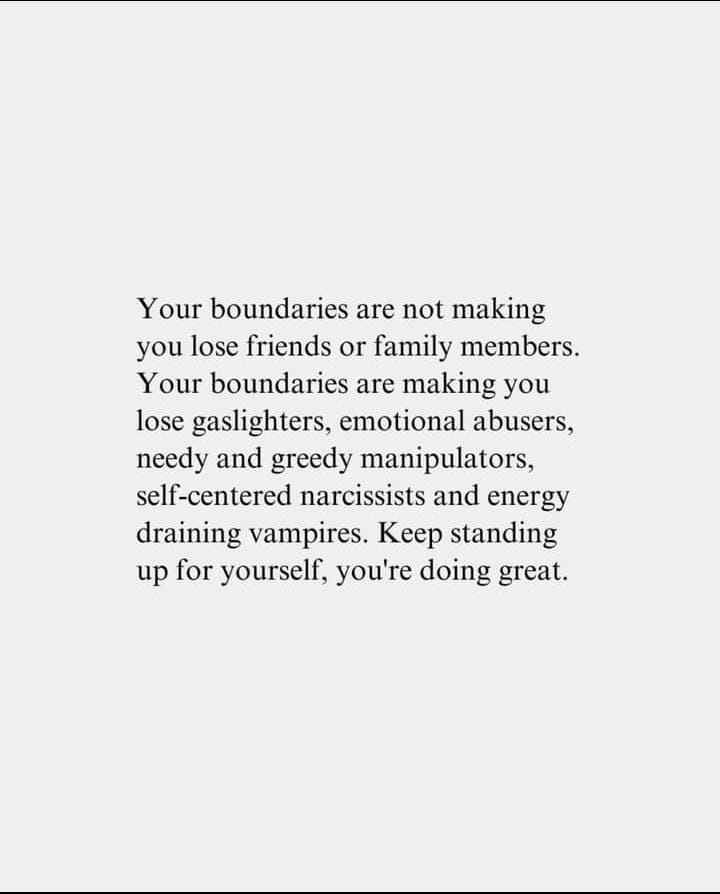
Boundaries are a cornerstone of healthy relationships and a fulfilling life. They are the invisible lines we draw to protect our physical, emotional, and mental well-being. When people assert their boundaries, it may initially feel like they’re pushing others away. However, this is not a reflection of losing meaningful relationships; rather, it’s about creating a safe space for genuine, respectful connections to flourish. Understanding this dynamic requires delving deeply into what boundaries are, why they matter, and how they act as a filter for the people we allow into our lives.

What Are Boundaries and Why Are They Important?
Boundaries are personal guidelines that define how you expect to be treated and what you will accept or reject in your interactions with others. They can be physical, such as how much personal space you need, or emotional, like your tolerance for criticism or negativity. Boundaries are not walls that block people out but rather doors that dictate who gets to come in and how they must behave once inside your life.
When we lack boundaries, we often find ourselves overextended, drained, or mistreated. This can happen because we allow people to take more than they should, ignore our needs, or behave in ways that hurt us. Setting boundaries is a form of self-respect and self-care—it sends a clear message about what you need to thrive and what you will not tolerate.
The Impact of Boundaries on Relationships
When you start setting boundaries, people accustomed to your passivity or people who have benefited from your lack of limits may react poorly. These individuals may accuse you of being selfish, unkind, or difficult. However, these accusations often come from those who stand to lose the most from your newfound sense of self-respect. Boundaries do not drive away those who care about you genuinely; they only repel individuals who seek to exploit your kindness or manipulate your emotions.
Losing Toxic People is a Gain, Not a Loss
The discomfort of enforcing boundaries often stems from the fear of losing relationships. However, the relationships that dissolve when you start standing up for yourself are rarely worth keeping. Here’s why:
- Gas lighters:
Gaslighting is a manipulative tactic where someone tries to make you question your perceptions, memories, or sanity. Gas Lighters thrive on blurred boundaries, as it allows them to exert control over you. When you enforce boundaries, such as refusing to engage in their manipulative games or standing firm in your truths, they may push back or disappear altogether. Losing a gas lighter is a gain because they undermine your confidence and sense of reality. - Emotional Abusers:
Emotional abuse often involves belittling, criticizing, or manipulating someone to maintain power over them. Emotional abusers resist boundaries because boundaries threaten their control. By cutting ties with an emotional abuser, you’re not losing a relationship—you’re reclaiming your self-worth. - Needy and Greedy Manipulators:
These individuals drain your time, energy, and resources while offering little in return. They rely on your inability to say “no” to meet their endless demands. Setting boundaries with such people often leads to pushback, as they thrive on taking advantage of your generosity. When they leave your life, you make room for relationships that are reciprocal and fulfilling. - Self-Centered Narcissists:
Narcissists often lack empathy and see relationships as tools for self-gratification. Your boundaries disrupt their self-serving agendas, making them angry or dismissive. Losing a narcissist may initially feel painful, especially if they’ve manipulated you into thinking the relationship was valuable. However, their departure creates space for genuine connections with people who care about your needs as much as their own. - Energy-Draining Vampires:
These individuals, often referred to as “energy vampires,” thrive on drama, negativity, and dependency. They leave you feeling emotionally exhausted after every interaction. Boundaries protect your energy and peace of mind, ensuring that your time and effort are spent on people and activities that uplift rather than deplete you.
The Power of Standing Up for Yourself
Standing up for yourself is not just about protecting your well-being; it’s also about attracting healthier relationships. When you enforce boundaries, you send a clear message about your values, priorities, and self-worth. This inspires respect from those who genuinely care about you and helps you identify relationships worth nurturing.
Benefits of Healthy Boundaries:
- Increased Self-Esteem:
By asserting your needs and limits, you affirm your worth and value. This boosts your confidence and sense of self-respect. - Improved Relationships:
Genuine relationships thrive on mutual respect. Boundaries help you cultivate connections where both parties feel valued and understood. - Emotional Freedom:
Boundaries free you from the guilt and resentment that often accompany overextending yourself. They allow you to focus on what truly matters to you. - Greater Peace of Mind:
Knowing that you’ve filtered out toxic influences gives you a sense of security and peace. - Empowerment:
Standing up for yourself empowers you to take control of your life, rather than being controlled by others’ demands or expectations.
How to Stay Firm in Your Boundaries
Maintaining boundaries can be challenging, especially when faced with guilt-tripping or backlash. However, there are strategies to help you stay firm:
- Be Clear and Consistent:
Clearly communicate your boundaries and stick to them. Consistency reinforces their importance and ensures others take them seriously. - Expect Resistance:
Understand that some people will push back against your boundaries. This is a reflection of their character, not a reason to compromise. - Practice Self-Compassion:
Remind yourself that setting boundaries is an act of self-care, not selfishness. It’s okay to prioritize your well-being. - Seek Support:
Surround yourself with people who respect your boundaries and encourage your growth. Their support will make it easier to stand firm. - Learn to Let Go:
Accept that not everyone will respect your boundaries, and that’s okay. Letting go of toxic people is a step toward a healthier, happier life.
In Conclusion
Boundaries are not barriers; they are bridges to healthier relationships and a more fulfilling life. When you set boundaries, you are not losing friends or family members—you are losing gaslighters, emotional abusers, manipulators, narcissists, and energy vampires. This is not a loss; it’s a necessary transformation.
By standing up for yourself, you are creating a life filled with respect, peace, and authenticity. Keep going—you’re doing great.


Support Our Website!
We appreciate your visit and hope you find our content valuable. If you’d like to support us further, please consider contributing through the TILL NUMBER: 9549825. Your support helps us keep delivering great content!
Thank you for your generosity!