

simply amazing, always for you.
Politics in Kenya is often associated with elections, rallies, court battles, and elite power struggles. Yet for most citizens, politics is not experienced in Parliament or campaign podiums. It is felt quietly, persistently, and often invisibly — in the price of unga, the cost of transport, the availability of jobs, the tone of conversations on social media, the security of public spaces, and even the emotional state of an entire generation.

In recent years, Kenyan politics has shifted from being an occasional national spectacle to a constant undercurrent shaping everyday life. Policy decisions, fiscal choices, governance styles, and political communication now reach directly into households, workplaces, classrooms, and online communities. For many Kenyans, politics is no longer something they observe; it is something they live with daily.

This article examines how politics is subtly but profoundly reshaping daily life in Kenya — economically, socially, digitally, culturally, and psychologically — often without dramatic headlines, yet with lasting consequences.

1. The Cost of Living: Politics at the Dinner Table
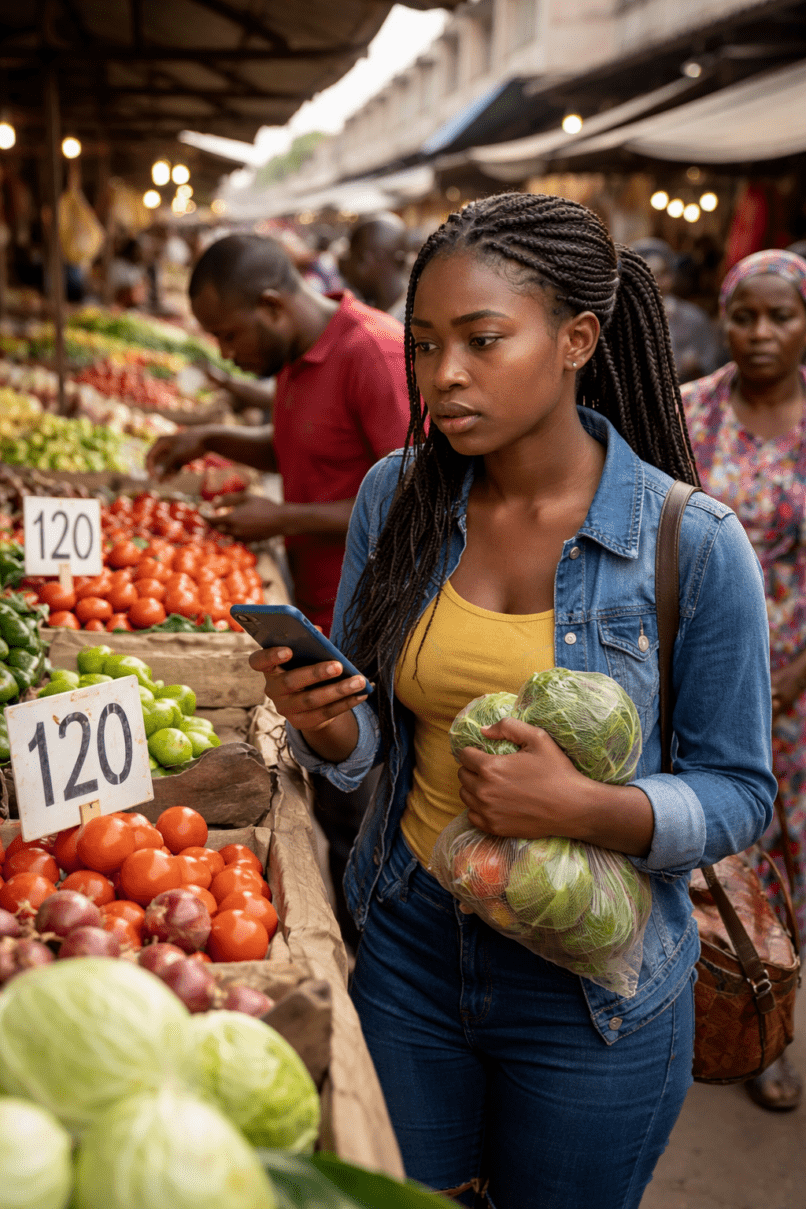
Perhaps the most immediate way politics affects daily life is through the cost of living. Decisions made in Cabinet meetings, Treasury offices, and Parliament directly determine how much Kenyans pay for food, fuel, housing, electricity, water, and transport.
Tax Policy and Household Budgets
Over the past few years, tax reforms have increased the cost of essential goods and services. Value Added Tax (VAT) adjustments, fuel levies, housing taxes, and proposed income-related contributions have altered household calculations in ways that are deeply personal. Families now budget with politics in mind, anticipating how new fiscal measures will affect rent, school fees, or basic groceries.
For low- and middle-income households, these changes are not abstract economic concepts. They determine whether a child can remain in a private school, whether meat appears on the table once a week or once a month, and whether savings are possible at all. Political choices around taxation have turned budgeting into a survival skill rather than a planning exercise.
Fuel Prices and Everyday Movement
Fuel pricing illustrates how politics quietly shapes daily routines. When fuel costs rise due to taxation or currency pressures, the effects ripple outward. Matatu fares increase. Food transported from rural areas becomes more expensive. Delivery costs rise. Informal traders adjust prices. Workers reconsider how far they can afford to commute.
A single policy decision at the national level can alter how millions of Kenyans move through their day — what time they leave home, how much they spend on transport, and whether certain jobs remain viable.
2. Work, Hustle, and the Politics of Survival
Kenya’s labour market tells a political story. Formal employment has not expanded fast enough to absorb a growing population, especially young people. In response, government policy has increasingly embraced the language of “hustle,” entrepreneurship, and self-reliance.

The Rise of Government-Linked Hustle Culture
State-backed initiatives such as microloan programs and youth empowerment funds have woven politics directly into how people earn a living. Many small traders, boda boda riders, salon operators, and online freelancers now rely on government-affiliated financial platforms.
This has quietly shifted expectations. Instead of seeing the state primarily as an employer or regulator, many Kenyans now see it as a lender, enabler, or gatekeeper of opportunity. Access to capital is no longer purely market-based; it is shaped by policy design, political priorities, and administrative discretion.
Informal Work and Political Vulnerability
At the same time, the dominance of informal work means many livelihoods exist in legally fragile spaces. Street vendors, hawkers, and small-scale traders are often affected by local political decisions on enforcement, licensing, and urban order.
One directive from a county government can mean the difference between daily income and sudden eviction. Politics becomes something traders monitor closely, not through manifestos, but through rumours, enforcement patterns, and changing rules on the ground.
3. Youth, Frustration, and a Changing Political Consciousness
Kenya is a young country demographically, and its youth are experiencing politics differently from previous generations.
A Generation Raised on Broken Promises
Many young Kenyans grew up hearing that education was the path to success. Today, degree holders drive taxis, sell clothes online, or remain unemployed for years. This disconnect has reshaped how young people interpret politics. They are less patient with slogans and more focused on outcomes.
Politics is now evaluated through lived experience: rent affordability, job access, digital opportunities, and personal freedom. When political decisions worsen these realities, frustration quickly turns into online activism, satire, and sometimes street protests.
Digital Spaces as Political Arenas
Social media has transformed political participation. Platforms like X, TikTok, Facebook, and WhatsApp are now primary spaces where political narratives are contested. Young Kenyans debate policy, expose corruption, mock leaders, and organize civic action in real time.
This constant engagement means politics is no longer seasonal. It is woven into daily scrolling habits, group chats, memes, and viral videos. Political awareness now develops informally, often outside traditional media or party structures.
4. Protest Culture and the Normalisation of Dissent
Public demonstrations were once exceptional events. Today, they have become part of Kenya’s civic rhythm.
How Protests Affect Daily Routines
Even Kenyans who never attend protests feel their impact. Roads close. Businesses shut early. Public transport routes change. Police presence increases. Employers adjust working hours. Parents worry about children moving through city centres.
The anticipation of protest activity shapes how people plan their days. It influences decisions about travel, shopping, and work — a subtle reminder that political tension has real spatial and temporal consequences.
Policing, Fear, and Public Space
The state’s response to protests also reshapes daily life. Heavy policing, surveillance, and restrictions on assembly affect how safe people feel expressing dissent. Some avoid political conversations in public spaces. Others migrate discussions online, using coded language or humour to avoid attention.
This quiet recalibration of behaviour reflects a deeper shift: politics is shaping not just what people do, but how freely they feel they can do it.
5. Identity, Ethnicity, and Quiet Social Calculations
Despite decades of reform efforts, ethnicity remains an influential factor in Kenyan politics — and by extension, in daily social interactions.
Political Identity in Everyday Choices
Political alignments often follow ethnic lines, subtly influencing trust, cooperation, and opportunity. Hiring decisions, business partnerships, and even social relationships can be shaped by perceived political or ethnic alignment.
Many such decisions are unspoken. They exist as quiet calculations made in homes, offices, and community spaces. Politics becomes embedded in social navigation, influencing who people trust and how they position themselves.
Fatigue and the Desire for Issue-Based Politics
At the same time, there is growing fatigue, especially among urban youth, with identity-based politics. Many now frame their political concerns around cost of living, accountability, and governance rather than tribe.
This tension — between inherited political identities and emerging issue-based consciousness — plays out daily in conversations, online debates, and voting intentions.
6. Urban Life, Development, and Political Inequality
Cities are where political decisions become physically visible.
Infrastructure, Displacement, and Daily Stress
Road expansions, housing projects, and urban renewal initiatives often come with political promises of development. Yet for many residents, especially in informal settlements, such projects mean displacement, rising rents, and loss of community.
Urban dwellers experience politics through traffic congestion, housing insecurity, and unequal access to services. Infrastructure projects designed at the national level reshape neighbourhoods, commute times, and even social networks.
The Politics of Space
Who gets access to clean water, reliable electricity, green spaces, and secure housing is deeply political. Urban planning decisions determine which areas thrive and which stagnate. Over time, these decisions harden inequality, affecting education outcomes, health, and economic mobility.
7. Governance, Trust, and Emotional Wellbeing
Politics does not only affect material conditions; it shapes emotional and psychological landscapes.
Institutional Trust and Daily Anxiety
When citizens perceive institutions as corrupt, unresponsive, or inconsistent, trust erodes. This affects how people interact with authority daily — from police encounters to government offices.
Many Kenyans approach public institutions defensively, expecting delays, inefficiency, or demands for unofficial payments. This constant low-level anxiety is a quiet but powerful political consequence.
Political Fatigue and Emotional Withdrawal
For some, constant political tension leads to disengagement. They stop following news, avoid debates, and retreat into personal survival strategies. This emotional withdrawal is itself a political outcome — a sign of disillusionment rather than apathy.
8. Digital Life, Surveillance, and Political Awareness
Technology has made politics omnipresent.
Data, Monitoring, and Self-Censorship
As digital platforms become central to political discourse, concerns about surveillance and digital repression grow. Many users now self-censor, choosing words carefully or avoiding certain topics altogether.
This shapes how politics is discussed — more indirectly, more humorously, more cautiously. Daily communication adapts to perceived political risk.
The Algorithmic Politics of Attention
What Kenyans see online is increasingly shaped by algorithms that reward outrage, fear, and sensationalism. Political narratives are amplified or suppressed based on engagement metrics rather than civic value.
As a result, daily political understanding is fragmented, emotional, and often polarized — quietly shaping perceptions without deliberate reflection.
9. Education, Opportunity, and the Politics of the Future
Schools and universities are also political spaces.
Funding, Policy, and Student Life
Decisions about education funding, curriculum changes, and student financing directly affect daily student life. Delayed loans, underfunded institutions, and policy uncertainty shape academic choices and career paths.
For students, politics is experienced through overcrowded classrooms, strikes, and financial stress — factors that influence long-term opportunity.
Political Socialisation from an Early Age
Young Kenyans are increasingly politically aware. They observe protests, hear debates at home, and consume political content online. This early exposure shapes how they understand citizenship, authority, and accountability.
10. The Quiet Transformation of Citizenship
Perhaps the most profound change is how Kenyans now understand citizenship itself.
Citizenship is no longer defined only by voting every five years. It is expressed through online activism, economic adaptation, community organizing, and everyday resilience. People negotiate their relationship with the state daily — complying, resisting, adapting, or bypassing.
Politics has moved from the background to the fabric of ordinary life.
Living With Politics, Not Just Under It
Politics in Kenya is no longer loud only during election seasons. It is quiet, constant, and deeply personal. It shapes what people eat, how they move, how they work, what they say online, who they trust, and how hopeful they feel about the future.
This quiet reshaping is perhaps more powerful than overt political drama. It changes habits, expectations, and emotional states gradually, embedding politics into daily routines.
Understanding this reality is essential — not just for policymakers, but for citizens themselves. Because when politics quietly reshapes daily life, ignoring it is no longer a neutral choice. It is itself a political act.
SUGGESTED READS
- https://nabado.co.ke/2026/01/19/are-protests-becoming-a-way-of-life-in-kenya-inside-a-country-that-wont-stay-silent/
- Why Kenya’s Youth Are Angry — And Why Ignoring Them Is Dangerous
- Kenya in 2026: What Ordinary Citizens Are Experiencing That Leaders Rarely Admit
- KCSE Results Shock: Why Your Grades Might Not Decide Your Future After All
- https://nabado.co.ke/2026/01/11/kenya-right-now-the-health-money-and-power-shifts-reshaping-the-country/

Support Our Website!
We appreciate your visit and hope you find our content valuable. If you’d like to support us further, please consider contributing through the TILL NUMBER: 9549825. Your support helps us keep delivering great content!
If you’d like to support Nabado from outside Kenya, we invite you to send your contributions through trusted third-party services such as Remitly, western union, SendWave, or WorldRemit. These platforms are reliable and convenient for international money transfers.
Please use the following details when sending your support:
Phone Number: +254701838999
Recipient Name: Peterson Getuma Okemwa
We sincerely appreciate your generosity and support. Thank you for being part of this journey!