

simply amazing, always for you.
For generations, Kenyans have worn strength like armor.
From childhood, we are taught to endure. When life becomes difficult, the message is simple: be strong. When finances collapse, be strong. When relationships break, be strong. When politics destabilizes the country, be strong. When grief hits, swallow it — and be strong.
On the surface, this cultural resilience is admirable. Kenya is a nation built on survival. From colonial resistance to economic shocks, from political turbulence to everyday hustle, strength has been our survival currency.
But there is a side of this story we rarely discuss.
What happens to a society where everyone is strong — but few are allowed to be vulnerable?
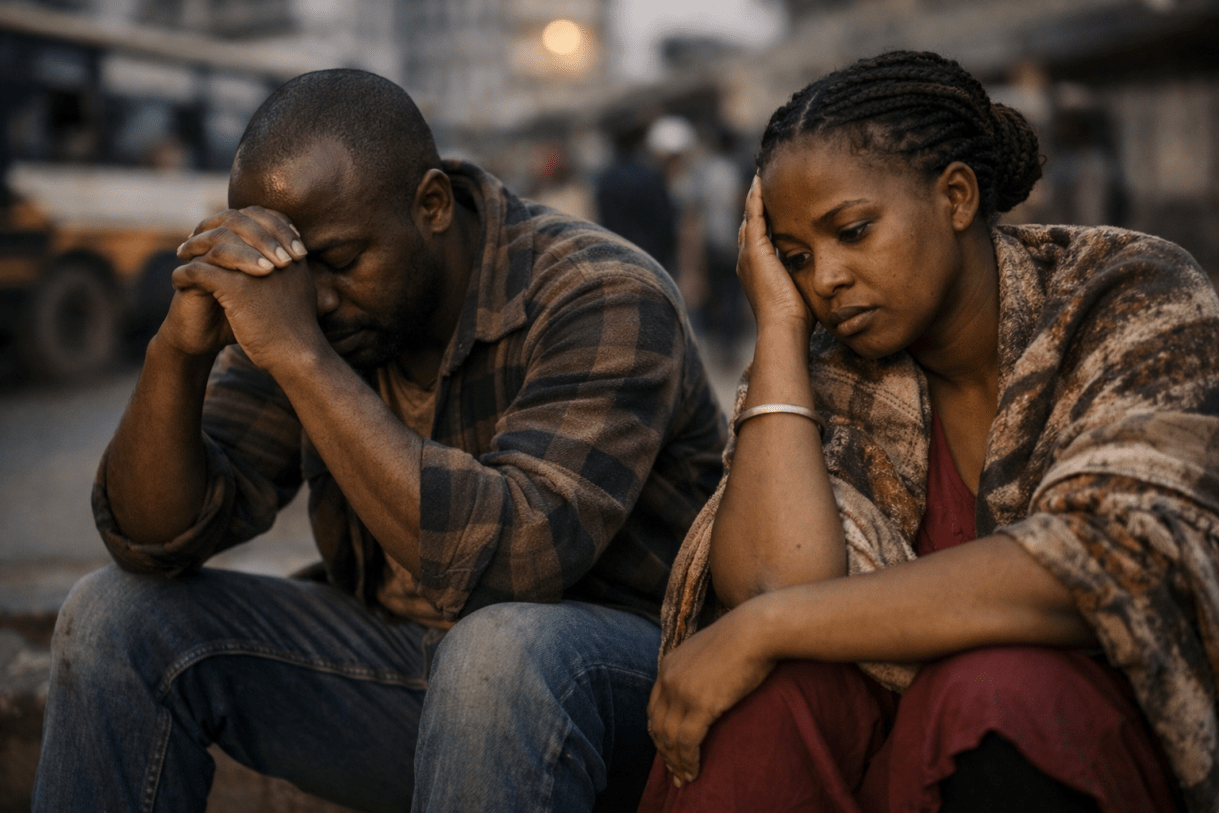
Behind the celebrated resilience lies a quiet exhaustion. The emotional cost of being strong in Kenyan society is accumulating in homes, marriages, workplaces, churches, and young minds. It is showing up as burnout, silent depression, broken communication, and internalized loneliness.
This is not an attack on resilience. It is a closer look at its hidden price.
Strength as a National Identity
Kenya’s modern story begins in resistance. The defiance of colonial rule during the Mau Mau Uprising, led by figures like Dedan Kimathi, embedded endurance into the national psyche. Independence under Jomo Kenyatta reinforced the idea that perseverance defines Kenyan character.
Even today, political rhetoric constantly invokes resilience. Leaders call citizens “hardworking,” “patient,” and “strong.” During election seasons, after protests, and during economic strain, the narrative remains consistent: Kenyans can endure anything.
And in many ways, we have.
We have endured inflation.
We have endured unemployment.
We have endured corruption scandals.
We have endured post-election tension.
But endurance, when unprocessed, leaves emotional residue.
Strength became our national language — but we never learned the language of emotional repair.
The Cultural Script: Endure, Don’t Expose
In many Kenyan homes, emotional expression is tightly controlled. Children are often told:
- “Stop crying.”
- “Be tough.”
- “Others have it worse.”
- “Don’t embarrass the family.”
Emotional vulnerability is interpreted as weakness or lack of gratitude. Family reputation often outweighs personal distress. Problems are kept within the household. Therapy may be seen as exposing family secrets.
Over time, children internalize a powerful lesson: survival requires silence.
As adults, this script becomes second nature. Even when overwhelmed, many people default to suppression rather than expression.
And that suppression accumulates.
Kenyan Men and the Burden of Silent Strength
For Kenyan men, emotional suppression is deeply tied to masculinity.
From boyhood, many are taught that a “real man” does not cry. He provides. He absorbs pressure. He solves problems. He does not complain.
Economic pressure intensifies this expectation. In a country where unemployment remains a persistent challenge, many men measure their worth through financial provision. Failure to provide is often equated with personal failure.
So when business collapses, when jobs disappear, when debts accumulate, many men do not talk about it.
They internalize it.
This silent burden has consequences:
- Emotional isolation
- Increased alcohol dependency
- Irritability and anger
- Disconnection from partners
- Untreated depression
Mental health conversations among men remain limited. Even in urban centers like Nairobi, therapy is still stigmatized among many male circles.
The result? Many strong men are struggling alone.
Kenyan Women and the Weight of Emotional Labor
If men are expected to provide financially, women are expected to provide emotionally.
Kenyan women often carry layered responsibilities: professional demands, childcare, extended family care, household management, and relationship stability.
Even when working full-time, women are often expected to maintain domestic perfection.
When overwhelmed, they are told: “You are strong. You will manage.”
Strength becomes less of a compliment and more of an obligation.
Single mothers face even harsher realities. Beyond financial pressure, they carry social judgment. Divorced women may experience stigma. Widows are expected to grieve with dignity and continue functioning immediately.
Emotional fatigue among women often manifests as:
- Chronic stress
- Burnout
- Anxiety
- Suppressed resentment
- Physical exhaustion
Yet many continue performing strength — because stopping feels like collapse.
Economic Pressure: The Unspoken Stress
Kenya’s economy is a paradox. There is innovation and growth, especially in technology and fintech sectors. The success of companies like Safaricom and the widespread use of M-Pesa demonstrate remarkable adaptability.
But at the household level, pressure is intense.
The cost of living has risen. Youth unemployment remains high. Informal work dominates the labor market. Many families depend on one income to support multiple relatives.
In Kenyan culture, success is communal. If one family member succeeds, the expectation is collective uplift.
This is beautiful in principle.
But it also means that financial pressure rarely rests on one individual alone. It multiplies.
School fees for siblings. Medical bills for parents. Rural home construction. Funeral contributions. Wedding support. Church giving.
Saying “I cannot afford it” feels like betrayal.
So people endure.
And financial anxiety becomes normalized.
Religion: Comfort and Complication
Kenya is one of the most religious societies in Africa. Churches and mosques are not just spiritual spaces; they are social anchors.
Faith provides hope during hardship. Prayer offers comfort during grief. Community support networks emerge through congregations.
But there is a subtle complication.
Sometimes emotional distress is spiritualized instead of addressed psychologically. Depression may be framed as lack of faith. Anxiety may be treated as spiritual weakness.
Statements like:
- “Pray about it.”
- “God will make a way.”
- “Have faith.”
offer encouragement — but can unintentionally discourage professional help.
Strength becomes equated with unwavering faith.
The emotional cost? People feel guilty for struggling.
Political Instability and Collective Trauma
Kenya’s political landscape has shaped its emotional climate.
The violence following the 2007–2008 elections left deep psychological scars. Communities were displaced. Families were divided. Trust was fractured.
Subsequent election cycles have carried residual tension. Businesses slow down. Travel plans change. Anxiety increases.
Yet once elections pass, national focus quickly shifts to “moving forward.”
There is little structured national conversation about collective trauma.
People simply resume life.
But trauma does not disappear because it is ignored.
It lingers quietly in hypervigilance, mistrust, and political fatigue.
Social Media and the Performance of Strength
In the digital era, strength has become curated.
On social platforms, success stories dominate. Entrepreneurs post milestones. Couples post romantic highlights. Influencers display luxury experiences.
Struggle rarely trends.
Young Kenyans scrolling through these images absorb a powerful message: everyone else is winning.
This fuels comparison anxiety.
If you are struggling financially, you feel behind.
If your relationship is unstable, you feel inadequate.
If you are confused about your career, you feel lost.
So instead of expressing vulnerability, many craft their own highlight reel.
Strength becomes performance.
And performance is exhausting.
The Hidden Health Consequences
Emotional suppression does not disappear — it converts.
Chronic stress can manifest physically:
- Hypertension
- Ulcers
- Persistent headaches
- Fatigue
- Sleep disturbances
Medical practitioners increasingly link stress to lifestyle illnesses. Yet conversations about emotional triggers remain limited.
The body becomes the outlet for what the mind refuses to articulate.
Strength, in excess, turns inward.
Marriage and Emotional Distance
In many Kenyan marriages, strength is mistaken for stability.
Partners may fulfill responsibilities: bills are paid, children are fed, routines are maintained.
But emotional intimacy may be missing.
If both partners are performing strength, neither feels safe to be vulnerable.
Conversations revolve around logistics rather than feelings.
Over time, this creates quiet loneliness within relationships.
Not dramatic conflict — but emotional absence.
And absence erodes connection slowly.
The Youth Shift: Redefining Strength
There is a generational shift happening.
Younger Kenyans are more open to discussing mental health. Therapy is slowly becoming less taboo in urban spaces. Conversations about burnout, depression, and boundaries are increasing.
University campuses and online communities are challenging traditional emotional norms.
But resistance remains.
Older generations often interpret emotional openness as Western influence or softness.
This generational friction reveals a society negotiating its emotional future.
Young people are asking: Can we be strong and honest at the same time?
The Psychological Cost of Constant Resilience
When a person never feels safe to be vulnerable, several psychological patterns develop:
- Emotional numbness
- Difficulty identifying feelings
- Hyper-independence
- Trust issues
- Fear of asking for help
Hyper-independence, in particular, is common. Many people pride themselves on “handling everything alone.”
But hyper-independence is often trauma disguised as strength.
It says: I cannot rely on anyone.
And that belief is isolating.
The Double-Edged Nature of Kenyan Resilience
It is important to acknowledge the positive side.
Kenyan resilience has produced remarkable innovation. It has fueled entrepreneurship. It has enabled communities to survive drought, inflation, and instability.
Without resilience, progress would stall.
The issue is not strength itself.
The issue is the absence of balance.
When vulnerability is stigmatized, resilience becomes rigid.
And rigidity eventually cracks.
What True Strength Could Look Like
Perhaps strength in Kenyan society needs expansion.
True strength could include:
- Seeking therapy without shame
- Admitting burnout before collapse
- Setting financial boundaries
- Saying no to unrealistic expectations
- Crying without apology
- Resting without guilt
Strength and vulnerability are not opposites.
They are complementary forces.
A society that allows emotional honesty does not become weaker.
It becomes healthier.
A Nation at an Emotional Turning Point
Kenya stands at a social crossroads.
Urbanization, digital exposure, economic pressure, and generational change are reshaping identity.
The traditional model of silent endurance is being challenged — not rejected entirely, but reconsidered.
People are beginning to ask:
Is strength supposed to feel this heavy?
Why are so many “strong” people exhausted?
Why does resilience sometimes feel like loneliness?
These questions matter.
Because the emotional cost of being strong, if left unexamined, will continue to surface in rising mental health struggles, strained relationships, and chronic stress.
Strength Without Silence
Kenyan society celebrates resilience.
And rightly so.
But strength should not require silence. It should not demand isolation. It should not punish vulnerability.
The emotional cost of being strong is paid quietly — in private tears, sleepless nights, unspoken fears, and internalized pressure.
Perhaps the future of Kenyan resilience lies not in abandoning strength, but in redefining it.
Strength can include honesty.
Strength can include therapy.
Strength can include boundaries.
Strength can include rest.
A society that learns to balance endurance with emotional expression will not lose its identity.
It will deepen it.
And maybe then, being strong will no longer feel like carrying the world alone — but standing together, honestly, without pretending.
SUGGESTED READS
- Love, Money, and Expectations: The Hidden Reasons Modern Couples Are Struggling More Than Ever
- You Let Them Stay as a Friend—Now They’re Disrespecting Your Home: What to Do Next
- What Changed? The Real Reasons Relationships in Kenya Are Failing More Often
- Step-by-Step Blueprint: How to Make Someone Regret Losing You
- Why Men Don’t Chase Like They Used To — And What Today’s Shift Really Means
- Nowadays We Don’t Send Fare, We Just Request an Uber

Support Our Website!
We appreciate your visit and hope you find our content valuable. If you’d like to support us further, please consider contributing through the TILL NUMBER: 9549825. Your support helps us keep delivering great content!
If you’d like to support Nabado from outside Kenya, we invite you to send your contributions through trusted third-party services such as Remitly, western union, SendWave, or WorldRemit. These platforms are reliable and convenient for international money transfers.
Please use the following details when sending your support:
Phone Number: +254701838999
Recipient Name: Peterson Getuma Okemwa
We sincerely appreciate your generosity and support. Thank you for being part of this journey!