

simply amazing, always for you.
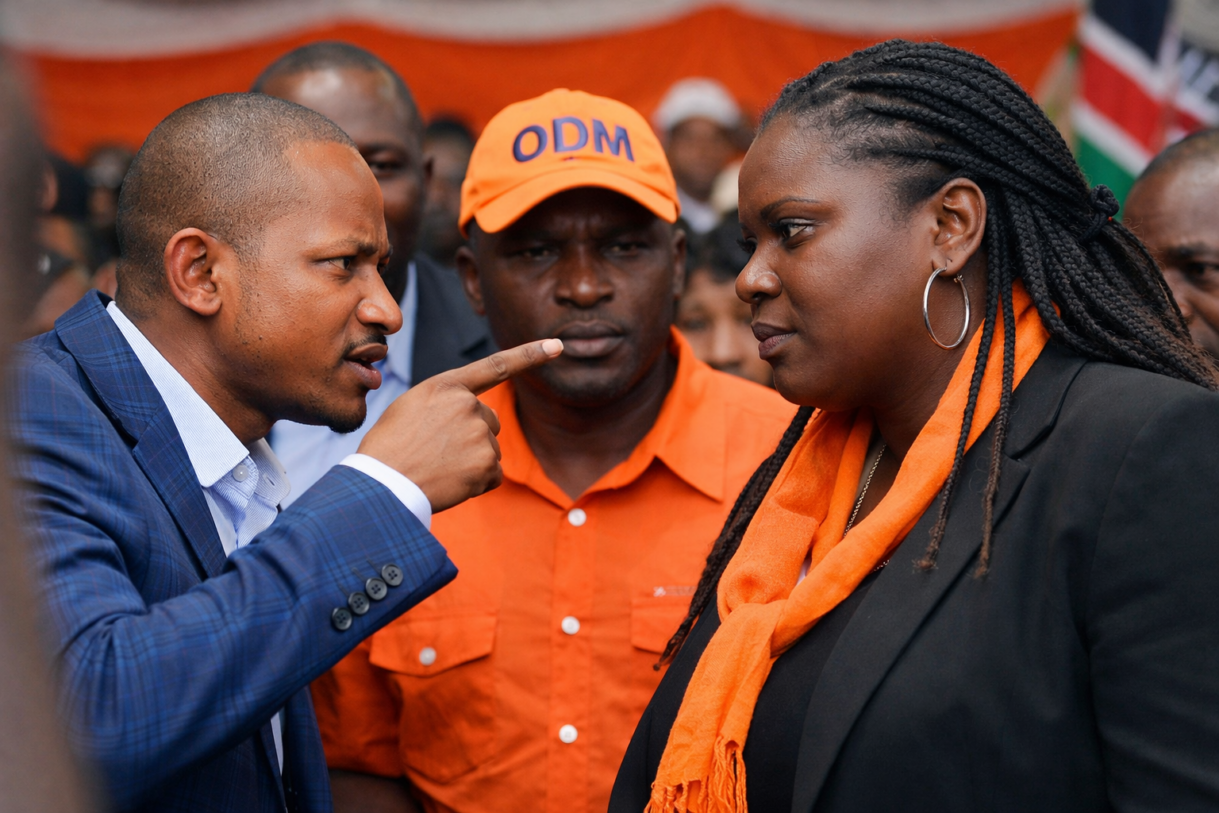
The political scene in Nairobi has been thrown into a frenzy following the nomination of Winnie Odinga for a senior leadership role within the Orange Democratic Movement (ODM). The move has triggered a mix of support, caution, and controversy, particularly from Babu Owino, Nairobi’s outspoken MP. This showdown is not just about personalities—it reflects the deep internal struggles and shifting power dynamics within one of Kenya’s most influential political parties.
Winnie Odinga: A Rising Star in ODM
Winnie Odinga, daughter of former Prime Minister Raila Odinga, is fast becoming a key player in Kenyan politics. Recently, all 17 Nairobi constituencies endorsed her nomination for the position of Deputy Party Leader, with the proposed creation of a fourth deputy slot reserved for a woman. This move signals ODM’s effort to modernize, embrace gender representation, and prepare for the post-Raila Odinga era.
Party insiders say that this endorsement is a strategic attempt to solidify her position within the party while maintaining the Odinga family’s influence in Nairobi. With the city being a crucial political hub, Winnie’s nomination places her at the center of Nairobi politics, giving her a platform to shape ODM’s direction in the coming years.
Babu Owino’s Calculated Stance
Initially, Babu Owino expressed strong support for Winnie Odinga, arguing that party structures were unfairly sidelining her despite her political pedigree. He championed her leadership as a matter of merit and reform, highlighting the importance of empowering young leaders in ODM.
However, in recent weeks, Owino has shifted to a more cautious stance. He has warned Winnie to navigate the party’s internal factions carefully and avoid being drawn into factional power games. Analysts interpret this as Owino attempting to assert his influence while avoiding a direct confrontation with the Odinga dynasty.
Owino’s position highlights a delicate balance between loyalty, ambition, and strategy. By positioning himself as both an ally and a cautious observer, he is safeguarding his political relevance in Nairobi, a city where his popularity and grassroots networks are strong.
Internal Struggles Within ODM
The tension surrounding Winnie Odinga’s nomination is a reflection of broader conflicts within ODM:
1. Succession Politics
With Raila Odinga gradually stepping back from active leadership, questions over succession have intensified. The rise of Winnie Odinga represents a continuity of the Odinga family legacy, while Babu Owino embodies the growing influence of youth and grassroots leaders. This generational and strategic divide is creating a delicate balancing act within the party.
2. Factional Rivalries
ODM is increasingly divided into several factions:
- The Old Guard, representing the traditional party leadership.
- The Youth Reformists, who champion modernization and fresh leadership.
- Emerging strategic blocs vying for influence ahead of the National Delegates Convention (NDC).
Winnie’s nomination is viewed by some as a strategic placement by the Old Guard faction, which has caused caution among emerging leaders like Owino.
3. Control of Nairobi Politics
Nairobi remains a key political base for ODM, controlling significant voter blocs and party structures. Whoever dominates Nairobi wields substantial influence over ODM’s national strategy, particularly in mobilization and elections. Winnie Odinga’s unanimous endorsement in Nairobi has amplified her influence and positioned her as a formidable contender in the party’s leadership hierarchy.
Political Implications of the Clash
The unfolding standoff between Babu Owino and Winnie Odinga is a calculated political chess match:
- Winnie Odinga’s rise: Signals the party’s intent to maintain the Odinga family’s central role while promoting gender inclusion.
- Babu Owino’s caution: Positions him as a watchdog of internal party fairness and as a representative of youth influence within ODM.
- Nairobi as the battleground: The city’s constituencies are pivotal in determining party direction and influence in national politics.
Political analysts suggest that this soft confrontation is likely to intensify as the NDC approaches, with both sides maneuvering for strategic advantage.
The Media Spotlight and Public Perception
The media has closely followed this battle, framing it as both a dynasty versus meritocracy debate and a youth versus establishment conflict. Public discussions highlight the tension between continuing family political legacies and allowing emerging leaders to influence the party’s future.
Babu Owino has leveraged media appearances to emphasize the need for careful, principled leadership, subtly positioning himself as a defender of fairness within ODM. Meanwhile, Winnie Odinga’s supporters underscore her endorsement by all Nairobi constituencies as a testament to her legitimacy and growing influence.
Historical Context: The Odinga Legacy
The Odinga family has been at the heart of Kenyan politics for decades, with Raila Odinga playing a pivotal role in shaping opposition movements and national policy. Winnie Odinga’s rise is part of this legacy, raising questions about political dynasties and meritocracy. Critics argue that her ascent is driven more by family connections than individual political achievements, while supporters highlight her active engagement and growing leadership skills.
This dynamic mirrors other political families in Kenya, where influence often spans generations, shaping party strategy and electoral outcomes.
What This Means for Kenya’s Political Future
As Kenya approaches the 2027 general elections, ODM’s internal leadership dynamics will have a major impact on national politics. The tussle between Babu Owino and Winnie Odinga exemplifies the broader struggles for influence that could shape not only ODM’s direction but also Kenya’s political landscape:
- Youth Empowerment: Owino represents a growing call for youth influence in national politics, particularly in shaping party strategy.
- Dynasty Politics: Winnie Odinga embodies continuity and the preservation of the Odinga political legacy.
- Gender Inclusion: Her nomination as a female Deputy Party Leader highlights the party’s commitment to gender representation in top positions.
The outcome of this internal contest could redefine the power dynamics in Nairobi and influence ODM’s national strategy, especially regarding candidate selection and voter mobilization.
Expert Analysis
Political analysts observe that Owino’s cautious stance is strategic. By neither fully opposing nor fully endorsing Winnie, he preserves his political capital while signaling the importance of internal party democracy. Analysts predict that this balancing act will continue until the NDC, with both sides seeking to consolidate influence without sparking a full-blown intra-party conflict.
Meanwhile, Winnie Odinga’s growing popularity and strategic endorsements indicate that she is well-positioned to assert authority within ODM. Her ability to navigate factional rivalries and maintain party unity will be critical in determining her long-term political impact.
Nairobi at the Center of Political Drama
The confrontation between Babu Owino and Winnie Odinga is far from personal—it is a strategic struggle over influence, legacy, and the future of ODM in Nairobi and Kenya at large. As party factions jockey for position and the 2027 elections approach, Nairobi remains the focal point of political maneuvering.
Both Winnie Odinga and Babu Owino are set to play defining roles in the party’s evolution. Whether through strategic alliances, endorsements, or public positioning, the coming months will be decisive in determining not only the future leadership of ODM but also the broader trajectory of Kenyan politics.
This unfolding political drama underscores the complexity of succession, the tension between legacy and merit, and the importance of Nairobi as a political epicenter. Observers, analysts, and voters alike will be watching closely as this high-stakes contest continues to unfold.
SUGGESTED READS
- “You Are Too Thin” – Gachagua’s Jab That Sparked Fresh Debate
- Top U.S. Intelligence Chief Quits Over Iran War as Middle East Erupts
- What Just Happened in Nairobi Will Shock You — Tragedy, Crime, and Hidden Truths
- Why Your Brain Struggles to Let Go After a Breakup
- What the Latest Fuel Prices Mean for Matatu Fares, Food Prices, and Your Budget

Support Our Website!
We appreciate your visit and hope you find our content valuable. If you’d like to support us further, please consider contributing through the TILL NUMBER: 9549825. Your support helps us keep delivering great content!
If you’d like to support Nabado from outside Kenya, we invite you to send your contributions through trusted third-party services such as Remitly, western union, SendWave, or WorldRemit. These platforms are reliable and convenient for international money transfers.
Please use the following details when sending your support:
Phone Number: +254701838999
Recipient Name: Peterson Getuma Okemwa
We sincerely appreciate your generosity and support. Thank you for being part of this journey!