

simply amazing, always for you.
A High-Stakes Diplomatic Gamble Could Decide the Fate of the Middle East
The clock is ticking—fast.
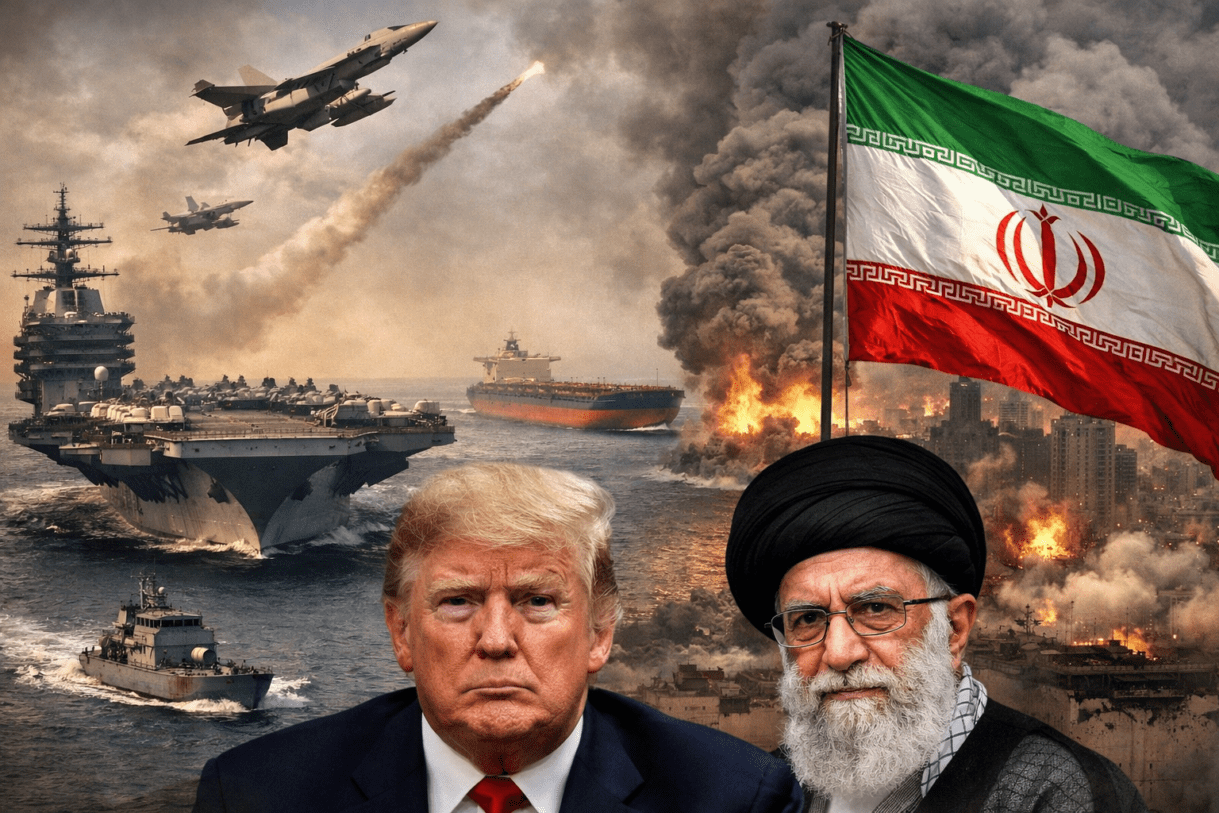
A fragile and urgent diplomatic effort is unfolding behind closed doors as the United States and Iran, through a web of intermediaries, attempt to hammer out a 45-day ceasefire that could temporarily halt a rapidly escalating conflict threatening to engulf the Middle East.
This is not routine diplomacy. Officials close to the negotiations are calling it a “last-ditch effort”—a final window to prevent a broader war that could destabilize global energy markets, redraw regional alliances, and trigger devastating military strikes.
Inside the 45-Day Ceasefire Proposal
At the heart of the negotiations is a two-phase framework designed to stop the immediate violence while buying time for deeper, more complex talks.
- Phase One: Immediate implementation of a 45-day ceasefire
- Phase Two: Transition into negotiations aimed at a long-term or permanent resolution
Sources indicate that the temporary truce could be extended if both sides show willingness to move toward a broader agreement. But as it stands, even securing the first phase is proving to be a monumental challenge.
The discussions are not happening directly. Instead, they are being conducted through a network of regional mediators, including diplomatic channels tied to Pakistan, Egypt, and Turkey. These countries are acting as intermediaries, relaying messages, proposals, and counteroffers between Washington and Tehran.
Why This Ceasefire Matters Now More Than Ever
The urgency stems from how dangerously close the region is to a full-scale war.
In recent weeks, the conflict has intensified dramatically:
- Missile and drone strikes have hit multiple strategic locations across the region
- Military assets and infrastructure linked to both sides have been targeted
- Tensions have spilled beyond national borders, raising fears of a wider regional confrontation
Perhaps most alarming is the risk to critical energy infrastructure and shipping lanes.
The Strait of Hormuz, one of the world’s most vital oil transit chokepoints, has become a central flashpoint. Any prolonged disruption here could send shockwaves through global markets, driving oil prices higher and affecting economies far beyond the Middle East.
Already, energy markets have reacted nervously, with prices climbing sharply amid fears of supply disruptions.
The Pressure Factor: Washington’s Hardline Stance
Driving much of the urgency is the uncompromising tone coming from Washington.
Donald Trump has reportedly issued a firm ultimatum to Iran, demanding compliance on several critical fronts, including reopening key shipping routes and scaling back military threats.
The message has been blunt: failure to reach an agreement could result in severe military consequences.
While the deadline for compliance was briefly extended, officials say it is set to expire within hours, not days. That puts immense pressure on negotiators to produce a breakthrough—fast.
Backchannel Diplomacy: How Talks Are Really Happening
Despite the high stakes, the U.S. and Iran are not negotiating face-to-face.
Instead, communication is being handled indirectly through envoys and intermediaries. Messages are passed in carefully worded exchanges, often taking hours—or even longer—to move between parties.
This indirect approach reflects the deep mistrust between the two nations, as well as the political sensitivities involved.
Key issues on the table include:
- Iran’s nuclear program, particularly uranium enrichment levels
- Security guarantees for international shipping routes
- De-escalation of military operations across the region
Each of these issues is complex on its own. Together, they form a negotiating landscape filled with obstacles.
What Happens If Talks Collapse?
The consequences of failure are severe—and immediate.
If the ceasefire effort collapses, analysts warn of:
- Large-scale U.S. and allied strikes on Iranian infrastructure
- Iranian retaliation targeting Gulf states and strategic facilities
- Expanded conflict involving multiple countries across the region
Such a scenario would not only escalate military tensions but also create a humanitarian crisis, disrupt global trade, and send shockwaves through financial markets.
In short, the stakes could not be higher.
A Narrow Window for Peace
Despite the grim outlook, there remains a narrow path forward.
Diplomats involved in the process say that while the chances of a full agreement within the next 48 hours are slim, a partial or temporary deal is still possible.
That possibility—however fragile—is what keeps negotiations alive.
The proposed 45-day ceasefire is more than just a pause in fighting. It represents a strategic breathing space, a chance to step back from the brink and explore whether a sustainable peace is still achievable.
Global Implications: Why the World Is Watching
This is not just a regional issue.
A breakdown in talks could:
- Disrupt global oil supplies and trigger economic instability
- Increase geopolitical tensions between major powers
- Lead to broader military alliances being drawn into the conflict
Conversely, even a temporary ceasefire could help stabilize markets, reduce immediate risks, and open the door to longer-term solutions.
That is why governments, investors, and international organizations are watching developments closely.
The Countdown
As negotiations continue, time is running out.
Every hour without a deal increases the likelihood of escalation. Every delay raises the stakes.
For now, the world waits—caught between the possibility of a fragile truce and the threat of a far more dangerous conflict.
The next 24 to 48 hours will be decisive.
Either diplomacy prevails, or the region edges closer to a war with consequences that could be felt across the globe.
SUGGESTED READS
- London’s Secret Underground EXPOSED: 7 Abandoned Tube Stations Hidden Beneath Your Feet
- The Power of Kind Gestures: Meaningful Ways to Show Appreciation in Everyday Life
- Trump’s Ruthless Move: Pam Bondi Fired as Attorney General Overnight
- FBI Raid Rumors Explode in Memphis — Is Pooh Shiesty in Legal Trouble Again?
- Trump Invades Supreme Court: The Day U.S. Citizenship Nearly Changed Forever
- April Fools’ Day EXPOSED: The Shocking Origins and Insane Pranks That Fooled Millions Worldwide

Support Our Website!
We appreciate your visit and hope you find our content valuable. If you’d like to support us further, please consider contributing through the TILL NUMBER: 9549825. Your support helps us keep delivering great content!
If you’d like to support Nabado from outside Kenya, we invite you to send your contributions through trusted third-party services such as Remitly, western union, SendWave, or WorldRemit. These platforms are reliable and convenient for international money transfers.
Please use the following details when sending your support:
Phone Number: +254701838999
Recipient Name: Peterson Getuma Okemwa
We sincerely appreciate your generosity and support. Thank you for being part of this journey!