

simply amazing, always for you.
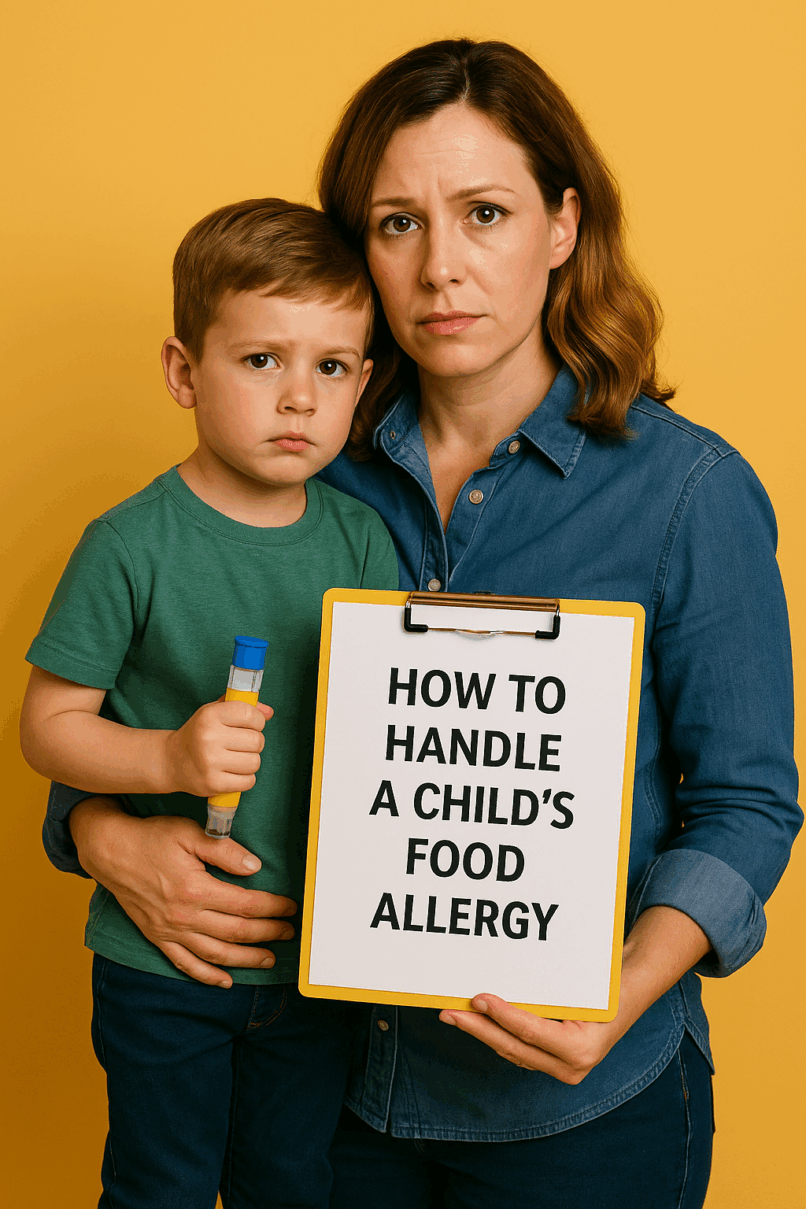
Food allergies in children can be scary and overwhelming, but with the right approach, they can be managed safely and effectively. Whether your child is allergic to peanuts, dairy, eggs, shellfish, or other common allergens, it’s essential to understand how to identify, prevent, and respond to allergic reactions.
This guide will walk you through everything you need to know to protect your child and help them live a full, happy life—without fear.
1. Understand What a Food Allergy Is
A food allergy occurs when your child’s immune system mistakenly identifies a certain food as harmful and triggers a defense response. This can cause symptoms ranging from mild (like hives or itching) to severe and life-threatening (such as anaphylaxis).
Common Allergens in Children
- Peanuts
- Tree nuts (e.g., almonds, walnuts)
- Milk
- Eggs
- Wheat
- Soy
- Fish
- Shellfish
2. Know the Symptoms of a Food Allergy
Mild to Moderate Symptoms:
- Hives or skin rash
- Itchy mouth or throat
- Runny nose or sneezing
- Stomach cramps or vomiting
- Diarrhea
Severe Symptoms (Anaphylaxis):
- Swelling of the face, lips, or tongue
- Difficulty breathing or wheezing
- Drop in blood pressure
- Dizziness or fainting
- Tightness in the chest or throat
Tip: Symptoms usually appear within minutes to 2 hours after eating the offending food.
3. Get a Proper Diagnosis
Steps to Take:
- Keep a food diary: Note what your child eats and any reactions that follow.
- See an allergist: A specialist will conduct tests such as skin prick tests or blood tests (IgE tests).
- Food challenge test (under medical supervision): Sometimes used for confirmation.
Never self-diagnose a food allergy—it can lead to unnecessary food avoidance and nutritional issues.
4. Create an Allergy Action Plan
This is a written document outlining what to do if your child has a reaction. It includes:
- Symptoms to watch for
- Medications to administer (e.g., antihistamines or epinephrine)
- Emergency contacts
- Instructions for caregivers, schools, and babysitters
Download a free allergy action plan template from trusted medical websites or get one from your allergist.
5. Learn to Use Emergency Medications
If your child is at risk of anaphylaxis, they’ll need an epinephrine auto-injector (like an EpiPen).
Know how to:
- Carry it at all times
- Store it at room temperature (not too hot or cold)
- Train caregivers and teachers to use it
- Replace it before it expires
6. Avoid Allergen Exposure
This can feel tricky at first, but you’ll become an expert with time.
Food Labels:
- Read every label, even for products you buy regularly.
- Look for bolded allergens and advisory statements like “may contain traces of…”
At Home:
- Create an allergy-safe kitchen zone.
- Use separate utensils and cookware for allergen-free foods.
- Wipe down surfaces to avoid cross-contamination.
Eating Out:
- Call restaurants in advance.
- Speak clearly to waitstaff about your child’s allergy.
- Avoid buffet-style restaurants where cross-contact is common.
- Some apps help identify allergy-friendly eateries in your area.
7. Educate Everyone Involved in Your Child’s Life
Everyone who interacts with your child should know how to recognize and respond to an allergic reaction.
Key People to Inform:
- Family members and friends
- Babysitters
- Teachers and daycare staff
- Coaches and afterschool activity leaders
Provide them with:
- A copy of your child’s allergy action plan
- Instructions on using epinephrine
- A list of foods to avoid
8. Support Your Child Emotionally
Food allergies can make children feel different or left out, especially at social events.
What You Can Do:
- Teach your child to speak up about their allergies confidently.
- Role-play situations like birthday parties or school lunch.
- Pack safe treats so they never feel left out.
- Join food allergy support groups to connect with other parents and children.
9. Work with Your Child’s School
Your child’s safety at school is crucial.
Steps to Take:
- Meet with teachers, school nurses, and administrators.
- Provide medications and clear instructions on their use.
- Request accommodations through a 504 Plan (in the U.S.) if applicable.
- Ensure allergen-free zones if needed (e.g., peanut-free lunch tables).
10. Stay Informed and Up to Date
Food allergy research is constantly evolving. Stay connected with trusted resources like:
- FARE (Food Allergy Research & Education)
- American Academy of Allergy, Asthma & Immunology
- Your child’s allergist
11. Plan for Emergencies
Even with the best prevention, accidents can happen.
Be Prepared:
- Have epinephrine available everywhere your child goes.
- Keep your phone charged and accessible.
- Teach your child (if old enough) how to self-administer their medication.
- Always have your child wear a medical alert bracelet with their allergy information.
12. Don’t Let Fear Rule Your Life
While food allergies require diligence, they don’t have to dominate your child’s life—or yours. With education, planning, and support, your child can thrive safely in every setting, from school to parties to vacations.
Handling your child’s food allergy is a journey that combines vigilance, education, and compassion.
It may feel overwhelming at first, but it becomes easier with time, support, and routine.
By being proactive and organized, you’re not just keeping your child safe—you’re teaching them resilience, responsibility, and the value of self-care.
SUGGESTED READS
- The Ultimate Guide to Packing Healthy Lunches for School
- How to Get Your Kids to Eat More Vegetables: Tips for Parents
- The Best Family Vacation Ideas for Parents on a Budget
- How to Create a Family Routine That Works for Everyone
- How to Keep Your Relationship Strong After Kids: Tips for Parents
Support Our Website!
We appreciate your visit and hope you find our content valuable. If you’d like to support us further, please consider contributing through the TILL NUMBER: 9549825. Your support helps us keep delivering great content!
If you’d like to support Nabado from outside Kenya, we invite you to send your contributions through trusted third-party services such as Remitly, SendWave, or WorldRemit. These platforms are reliable and convenient for international money transfers.
Please use the following details when sending your support:
Phone Number: +254701838999
Recipient Name: Peterson Getuma Okemwa
We sincerely appreciate your generosity and support. Thank you for being part of this journey!