

simply amazing, always for you.
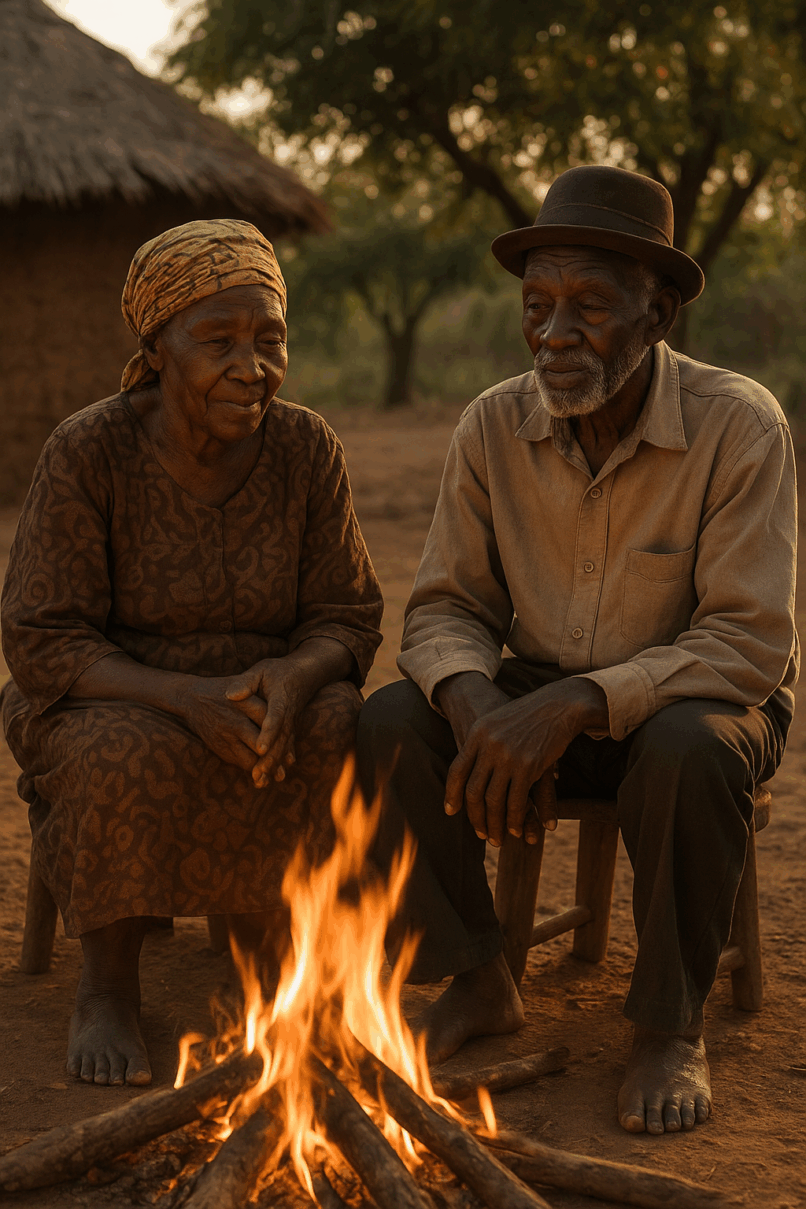
Love is universal, but the way it is understood, expressed, and nurtured often depends on culture, experience, and time. In Africa, few voices carry as much weight on the subject of love as those of grandparents. These elders are not just old people sitting by the fireside; they are the keepers of wisdom, living history books, and guides who have witnessed decades of joy, heartbreak, endurance, and reconciliation.

When African grandparents speak about love, their words echo with the strength of lived experiences. They have seen marriages survive wars, poverty, sickness, and cultural shifts. They know that love is not only about the sweetness of romance but also about resilience, compromise, patience, and community.

This article explores the wisdom African grandparents pass down about love — through proverbs, stories, and cultural lessons — and why their words remain just as relevant today as they were generations ago.

1. The Role of Elders in Teaching About Love
In African societies, elders hold a sacred place. They are the custodians of oral tradition, passing down knowledge through storytelling, songs, and sayings. Love and marriage are not viewed as private affairs alone but as community matters that require guidance from those who have walked the journey.
In many cultures, a young couple about to marry would sit with grandparents or village elders for premarital advice. They would be told stories of successful unions, cautioned about the pitfalls of selfishness, and reminded that marriage is a journey, not a one-day celebration.
For example, among the Yoruba people of Nigeria, grandparents often remind couples that:
“A house built with saliva will be destroyed by dew.”
Meaning: a love or marriage built on weak foundations cannot survive the tests of life.
This demonstrates how elders stress not just the emotional side of love, but the necessity of building a strong, enduring bond.
2. Love as Patience and Endurance
If there is one lesson African grandparents never tire of teaching, it is that love is endurance.
- Swahili saying: “Mapenzi ni uvumilivu.” — Love is patience.
- Lesson: Love is not about instant gratification but about weathering storms together.
A grandmother in rural Kenya once told her granddaughter:

“My husband and I quarreled many times, but I never packed my things to leave. Love does not mean you never disagree. It means you learn to forgive, to tolerate, and to remember why you chose each other.”
This reflects a common belief across Africa — love is not measured by the absence of conflict but by the ability to endure it without breaking apart.
3. Love as Mutual Respect
Respect is seen as the backbone of love. Without respect, affection cannot last.
- Zulu proverb: “Umendo awuthunyelwa gundane.” — Marriage is not entrusted to a rat.
- Lesson: A relationship cannot survive on carelessness or disrespect.
Grandparents often remind young couples that beauty, wealth, and physical attraction may fade, but respect keeps love alive. In many African traditions, respect is shown through words, actions, and even the way one addresses their partner. For instance, among the Baganda of Uganda, women traditionally use respectful language when speaking to their husbands, while men are expected to honor their wives publicly and provide for them.
4. Love as Community, Not Just Two People
One of the strongest themes in African wisdom about love is that relationships are not private matters. Love and marriage extend to the family, clan, and community.
- Akan proverb (Ghana): “Ti koro nko agyina.” — One head does not go into council.
- Lesson: No relationship can thrive in isolation; it requires the support and guidance of the community.
In many African cultures, grandparents remind couples that when problems arise, they should seek advice from elders rather than rush to separation. The presence of extended family means that love is not just a bond between two hearts, but a web of connections tying families together.
A grandmother in Ghana once advised her grandson:
“When you marry, you do not only marry the woman. You marry her family, her ancestors, and her traditions. If you respect them, your love will flourish. If you despise them, your love will suffer.”
5. Love as Sacrifice
African elders often emphasize that love is not self-centered but sacrificial.
- Yoruba proverb: “Bi ẹni kò bá fara balẹ̀, kò ní rí ìfẹ́ gidi.” — Without humility and sacrifice, true love is impossible.
A grandfather in Nigeria recalled walking long distances to fetch firewood so his wife could cook without worry. Another elder in Tanzania spoke of selling his only cow to pay for his wife’s medicine. These stories highlight how love is proven in acts of sacrifice, not just in words.
Elders warn against selfish love, reminding us that true affection is measured by what one is willing to give up for the happiness and survival of the other.
6. Love as Truthfulness and Loyalty
Honesty is non-negotiable in the wisdom of African grandparents.
- Shona proverb (Zimbabwe): “Rudo haruna nhema.” — Love has no lies.
- Lesson: A relationship built on lies cannot last.
Grandparents often warn younger people that secrets and deceit are like termites — silent but destructive. They erode trust until nothing is left. One Kenyan grandfather explained it vividly:
“A man who lies to his wife is like a farmer planting seeds on rocks. Nothing will ever grow.”
The emphasis on loyalty also runs deep. Infidelity is considered one of the fastest ways to destroy love, and elders often remind couples that love requires commitment even when temptations arise.
7. Love Beyond Youth: Companionship in Old Age
African grandparents remind us that love is not just about youthful romance. They speak fondly of companionship in old age.
One common saying is:
“The real test of love is who will sit by your mat when you can no longer walk.”
Grandparents stress that beauty fades and strength diminishes, but companionship endures. This wisdom challenges modern notions of love that prioritize excitement and physical attraction. For elders, the truest love is seen in old couples who still walk together, share meals, and laugh despite life’s trials.
8. Warnings and Cautions About Love
African grandparents are not just encouragers; they are also cautionary teachers. They warn against:
- Marrying for wealth alone — riches can vanish overnight.
- Confusing lust for love — infatuation fades quickly.
- Neglecting family in pursuit of romance — love cannot survive without community balance.
- Losing self-respect — love should not strip one of dignity.
A famous Swahili proverb warns:
“Pesa si kila kitu katika mapenzi.” — Money is not everything in love.
Grandparents understand that while money is important for survival, it cannot replace affection, trust, and commitment.
9. Stories from African Grandparents About Love
The Story of the Baobab Tree (West Africa)
An old man once told his grandchildren that love is like a baobab tree. It starts small but grows so large that no single person can embrace it. This symbolizes how love requires many hands — family, friends, and community — to nurture and protect it.
The Story of the Broken Pot (East Africa)
A grandmother narrated how a woman carried water every day in a cracked pot. People mocked her, but over time, the flowers grew along her path because of the leaking water. She told her granddaughter:
“Love may not be perfect, but even its flaws can bring beauty if you endure.”
10. Why This Wisdom Still Matters Today
In today’s world, love is often rushed, transactional, or treated as disposable. Divorce rates are rising, and many young people give up at the first sign of difficulty. But the wisdom of African grandparents offers an alternative:
- Love is work, not magic.
- Love is choice, not just emotion.
- Love is endurance, not escape.
Their teachings remind us that relationships thrive not on perfection but on persistence.
The Enduring Voice of Grandparents
When African grandparents speak of love, they are not just giving advice — they are handing down a legacy. Their wisdom, shaped by decades of struggle and triumph, is a guiding light for generations to come.
They remind us that love is patience, respect, sacrifice, honesty, community, and companionship. They caution against shallow attractions and selfishness, urging us instead to build love that can withstand the storms of life.
In an era where love is often seen as fleeting, their voices call us back to the essence: Love is not about what you take, but what you give. Not about how fast it burns, but how long it lasts.
SUGGESTED READS
- The Feminine Power in African Proverbs About Home and Family
- African Proverbs Every Couple Should Live By
- Understanding Polygamy and Jealousy Through African Sayings
- African Proverbs vs. Western Love Quotes: A Cultural Comparison
- The Influence of African Proverbs in Pre-Marital Counseling: Lessons from Swahili Wisdom
- How African Proverbs Can Heal a Broken Heart

Support Our Website!
We appreciate your visit and hope you find our content valuable. If you’d like to support us further, please consider contributing through the TILL NUMBER: 9549825. Your support helps us keep delivering great content!
If you’d like to support Nabado from outside Kenya, we invite you to send your contributions through trusted third-party services such as Remitly, western union, SendWave, or WorldRemit. These platforms are reliable and convenient for international money transfers.
Please use the following details when sending your support:
Phone Number: +254701838999
Recipient Name: Peterson Getuma Okemwa
We sincerely appreciate your generosity and support. Thank you for being part of this journey!