

simply amazing, always for you.
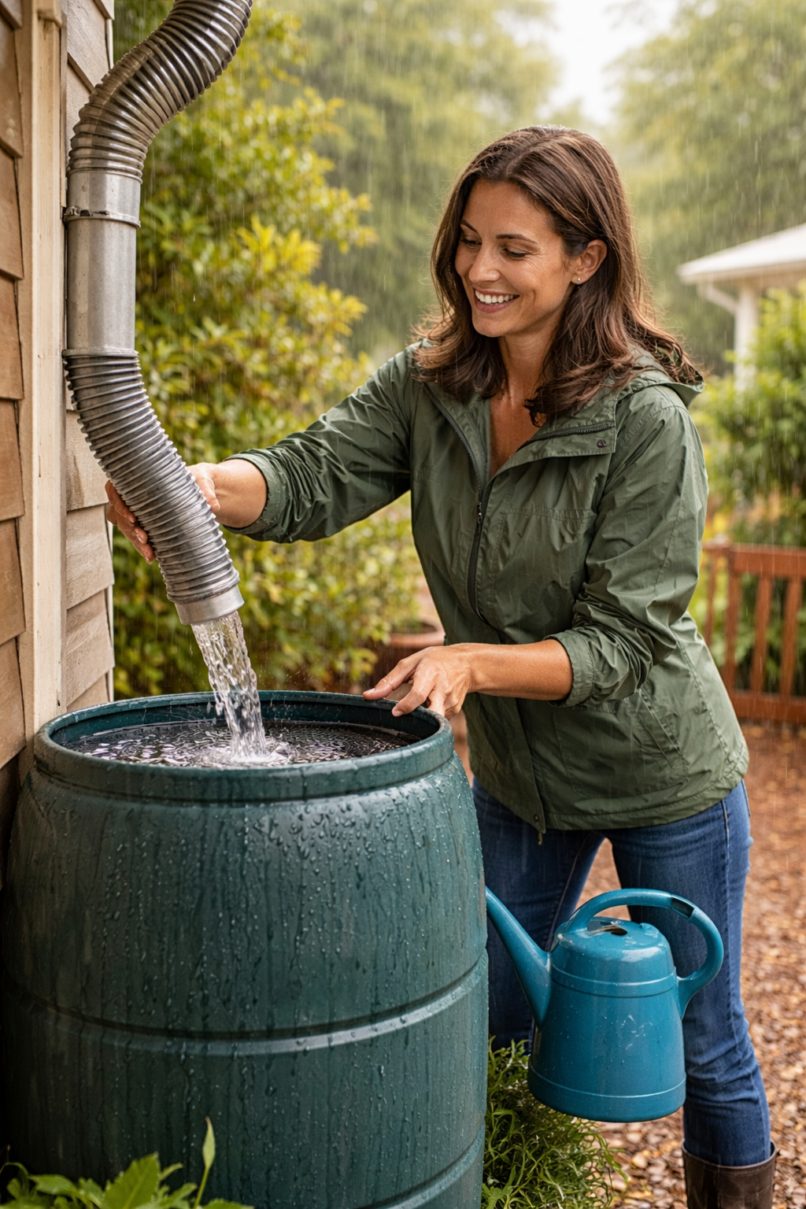
Rain falls freely from the sky, nourishing the earth and replenishing rivers, lakes, and aquifers. For homeowners and businesses alike, collecting rainwater often seems like a simple, practical way to supplement water supply, reduce bills, and contribute to sustainable living. But amid growing discussions about water scarcity and conservation, many people ask: Is it legal to collect rainwater? Could I be sued or fined for catching water that falls on my property?
At first glance, the answer seems obvious. After all, the rain lands on your property — shouldn’t it belong to you? The reality, however, is more nuanced. Legal frameworks governing water rights vary widely by country, state, and even municipality. In some places, rainwater collection is fully encouraged; in others, it’s tightly regulated. Misleading headlines often claim individuals have been jailed for having a rain barrel, but a closer look at the cases reveals these stories are rarely about simple rainwater harvesting. Usually, violations involve large-scale water diversions or interference with water rights.
This article explores the legal realities of rainwater collection, from historical doctrines and modern laws to real-life cases and practical guidance for safely harvesting rainwater. By the end, you will understand both your rights and your responsibilities as a homeowner or property owner.
1. Understanding the Myth: Sued for Collecting Rainwater?
There’s a persistent myth that people can face lawsuits or even imprisonment simply for collecting rainwater in barrels or cisterns. Many viral stories on social media and news sites suggest otherwise. For example, one widely cited case involves a man in Oregon, United States, who reportedly went to jail for collecting rainwater.
A closer examination, however, reveals that the individual was not jailed for owning a rain barrel. Instead, the legal issue stemmed from constructing large, unpermitted reservoirs and dams on his property, which altered natural water flow, violated state water rights laws, and impacted downstream users. The case highlights a crucial distinction: rainwater harvesting in moderation for personal use is generally lawful, while large-scale diversions that interfere with water rights are subject to strict legal scrutiny.
In most regions, small-scale rainwater collection — whether for irrigation, washing, or other non-potable uses — is not only legal but often encouraged as part of water conservation strategies. Misunderstanding or misreporting such cases has led to widespread confusion and fear, but the real legal issues typically relate to water rights and environmental compliance rather than the act of catching rain itself.
2. The Legal Doctrines Behind Water Rights
To understand why some places regulate rainwater collection while others do not, it’s essential to grasp the underlying legal principles governing water.
Prior Appropriation Doctrine
The prior appropriation doctrine is common in the western United States and other arid regions. It’s often summarized as “first in time, first in right.” Under this doctrine:
- Water is considered a public resource.
- Individuals or entities acquire water rights based on who first used the water for a beneficial purpose.
- Diverting water that would naturally flow downstream can infringe upon existing rights.
Even rain that falls on private property may be considered part of a larger hydrological system. In theory, intercepting this water in ways that prevent it from reaching streams or aquifers could violate the rights of downstream users. This legal tradition explains why some western states historically restricted residential rainwater collection.
Riparian Rights Doctrine
By contrast, the riparian rights model — common in the eastern U.S. and in regions with abundant rainfall — ties water rights to land ownership adjacent to natural water bodies. Landowners have the right to reasonably use water on or near their property, which generally makes rainwater harvesting less legally contentious.
Internationally, countries vary in their water law frameworks. Some grant broad rights to landowners to use rainwater, while others enforce stricter controls to ensure equitable distribution and public welfare.
3. Rainwater Laws in the United States
U.S. states differ widely in how they regulate rainwater harvesting. While some have relaxed restrictions and actively promote rainwater collection, others impose limits or conditions.
Restrictive or Regulated States
Colorado
Colorado historically had one of the most restrictive approaches to rainwater harvesting due to prior appropriation laws. Until recently:
- Homeowners were prohibited from collecting precipitation in most situations, because doing so could interfere with senior water rights holders downstream.
- Exceptions allowed limited collection in two small barrels (combined capacity of 110 gallons) for outdoor use, such as watering gardens.
Violation of these rules could result in civil penalties, though enforcement for small-scale residential systems has been rare.
Utah
In Utah, rainwater was once considered state property, and collection without authorization was prohibited. Modern regulations now allow collection in small quantities without registration, while larger systems (e.g., over 2,500 gallons) must be registered with the state Division of Water Rights.
Permissive or Encouraging States
Other states, particularly in the eastern U.S., have embraced rainwater harvesting:
- Texas: Laws protect homeowners’ rights to collect rainwater and even prevent homeowners’ associations from banning systems. Incentives such as tax credits encourage adoption.
- Florida, Hawaii, Delaware: These states have minimal restrictions and actively support rainwater harvesting as part of sustainability initiatives.
Across the U.S., the common pattern is clear: small-scale residential rainwater collection is rarely prohibited, while larger or commercial systems may require permits or adherence to specific codes.
4. International Perspectives
Canada
Canada generally allows rainwater collection for non-potable uses like irrigation. Provincial and municipal codes may specify system requirements, but there is no federal ban.
Kenya
In Kenya, regulations govern rainwater harvesting to ensure health and safety. Systems intended for drinking water must follow filtration and treatment guidelines, and proper storage practices are encouraged. This ensures safe use while promoting sustainable water management.
Other Global Contexts
In certain areas, particularly where water is scarce or heavily regulated, rainwater collection may require permits. Some political or environmental contexts add complexity — for example, in territories with contested water resources, regulations may be stricter to ensure equitable distribution.
5. Reasons Jurisdictions Regulate Rainwater
Several factors explain why some governments regulate rainwater harvesting:
Protecting Downstream Water Rights
In regions governed by prior appropriation law, capturing rainwater can reduce the flow available to downstream users, potentially violating senior water rights. Even small diversions can theoretically have legal implications in water-scarce regions.
Public Health and Safety
Rainwater collected from roofs may be contaminated. Health codes may require filtration or proper storage to prevent disease and pest-breeding hazards. Ensuring safe water use is a central concern of many regulations.
Stormwater Management and Urban Planning
In urban areas, uncontrolled rainwater collection can impact drainage and stormwater systems. Municipalities often regulate collection to prevent flooding, pollution, or damage to infrastructure.
Environmental Protection
Large-scale collection or diversion can alter local ecosystems. Permitting systems for substantial water storage allows authorities to assess environmental impact and prevent harm.
6. Real Cases Beyond the Headlines
The Oregon case often cited online illustrates the need to separate myth from reality:
- The individual constructed large unpermitted reservoirs that captured millions of gallons.
- These actions significantly altered natural water flows and infringed upon downstream water rights.
- The legal consequence was not about a residential rain barrel; it was about violating established water law through large-scale diversion.
Other reported cases typically involve civil penalties, code enforcement, or environmental compliance actions, not criminal prosecution for small-scale rainwater collection.
7. Practical Guidance for Homeowners
For anyone considering a rainwater harvesting system, following these steps can ensure compliance and safety:
1. Research Local Laws
Check city, county, and state regulations to understand volume limits, permitted uses, and system requirements. Official municipal websites are often the best source for up-to-date rules.
2. Understand Usage Restrictions
Determine whether the water can be used for potable purposes. Many areas restrict collected rainwater to outdoor use unless it is properly filtered and treated.
3. Follow Building and Plumbing Codes
Systems connected to indoor plumbing may require professional installation. Codes ensure safety, prevent contamination, and may be legally required.
4. Obtain Permits When Necessary
Large storage systems or complex installations may require permits or registration. Authorities typically provide guidance on safe installation and maintenance.
5. Keep Informed
Water law and regulations evolve, especially with climate change and growing water scarcity. Staying updated helps avoid inadvertent violations.
8. Benefits of Rainwater Harvesting
Understanding the legal landscape is important, but so is recognizing why rainwater harvesting matters:
- Water conservation: Reduces dependence on municipal water supplies and groundwater.
- Cost savings: Lowers water bills, particularly in irrigation-heavy areas.
- Sustainability: Supports sustainable urban planning and green infrastructure.
- Resilience: Provides an alternative water source during droughts or disruptions.
Many governments actively encourage rainwater collection for these benefits, particularly in areas facing water scarcity or stormwater challenges.
9. Collecting rainwater is rarely illegal.
Most legal restrictions target large-scale water diversions, interference with senior water rights, or unsafe collection practices. Simple residential systems used for irrigation, car washing, or toilet flushing are generally lawful and often encouraged.
Legal frameworks vary by country, state, and municipality, so checking local laws, following codes, and obtaining permits when necessary is essential. Understanding the purpose behind regulations — whether protecting downstream users, public health, or environmental sustainability — helps homeowners make informed decisions and confidently implement rainwater harvesting.
Rainwater is a natural, renewable resource. When used responsibly and legally, it provides a cost-effective, sustainable, and resilient water source, aligning with both individual needs and broader environmental goals.
SUGGESTED READS
- Why Learning About Different Cultures Is Crucial in Today’s World
- Why Kenya Is Often Called “the Capital of Africa”
- The Handkerchief Tradition: The Forgotten Fabric That Carried Our Deepest Emotions
- Top African Countries That Bring the Most Global Attention to Africa
- Youth and the 2027 Elections: How Young Voters Could Shape the Next General Election in Kenya

Support Our Website!
We appreciate your visit and hope you find our content valuable. If you’d like to support us further, please consider contributing through the TILL NUMBER: 9549825. Your support helps us keep delivering great content!
If you’d like to support Nabado from outside Kenya, we invite you to send your contributions through trusted third-party services such as Remitly, western union, SendWave, or WorldRemit. These platforms are reliable and convenient for international money transfers.
Please use the following details when sending your support:
Phone Number: +254701838999
Recipient Name: Peterson Getuma Okemwa
We sincerely appreciate your generosity and support. Thank you for being part of this journey!