

simply amazing, always for you.
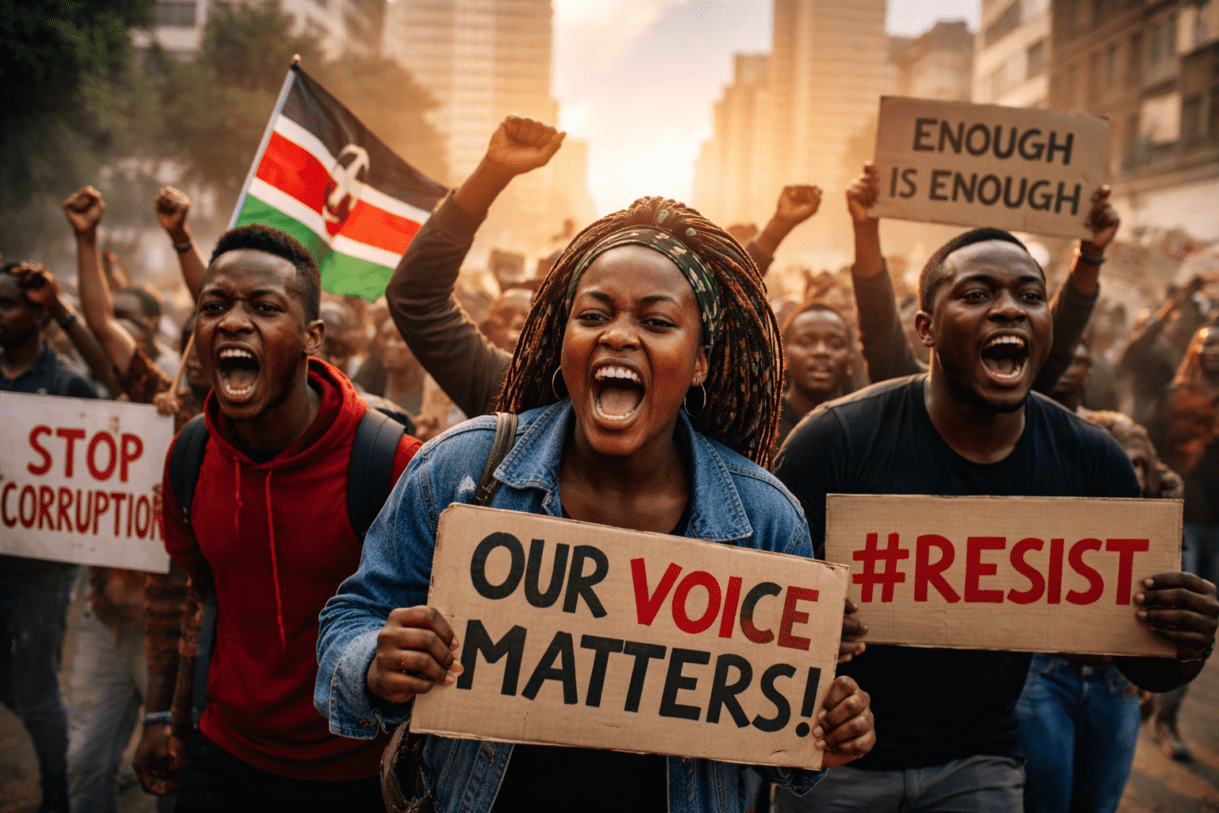
In recent years, Kenya has experienced a powerful shift in the political and civic landscape. What once felt like a period of constrained expression—where many Kenyans were hesitant to speak openly about governance, inequality, and state violence—is increasingly transforming into a vibrant era of resistance and civic engagement. From grassroots activism to digital campaigns and community organizing, ordinary citizens are reclaiming their voice and reshaping the nation’s socio-political discourse.
This article explores how Kenyan voices are emerging from silence, the catalysts behind this shift, the new forms of resistance taking shape, and the enduring challenges that civic actors continue to confront.
Why Silence Took Hold
Understanding the resurgence of resistance in Kenya first requires a look back at the climate of fear, fragmentation, and exclusion that contributed to prolonged silence.
1. Historical and Political Context
For decades, Kenya’s political landscape has been marked by patronage, ethnic polarization, and contested elections. Many citizens internalized the belief that dissent could lead to intimidation, discrimination, or violence—especially around election cycles.
During key periods—such as the post-2007 election crisis and subsequent crackdowns on protests—fear was palpable. This environment discouraged open debate, particularly among youth, women, and marginalized groups.
2. Economic Uncertainty and Limited Opportunities
High unemployment, especially among young people, reinforced a sense of powerlessness. Without stable economic opportunities, speaking out against systemic failings felt like a privilege many could not afford.
3. Control of Public Narratives
State influence on media and the proliferation of misinformation often diluted civic voices. Without accurate platforms to express their views, many Kenyans felt their contributions to national dialogue were futile.
The Turning Point: Catalysts for Reclaiming Voice
Despite these challenges, a confluence of forces has begun to break the cycle of silence. These catalysts span generational, technological, and socio-economic shifts that have empowered citizens to speak up and organize.
1. The Rise of Digital Mobilization
Across Kenya, mobile phone penetration exceeds 100%, with social media platforms such as X (formerly Twitter), TikTok, Facebook, and Instagram serving as de facto public squares. Through these channels:
- Citizen journalists report events in real time.
- Youth movements organize protests and campaigns.
- Hashtags amplify local issues to national and global audiences.
- Independent voices bypass traditional media gatekeepers.
Digital tools have democratized communication, enabling voices from Nairobi’s estates, rural counties, and university campuses to be heard.
2. Youth Empowerment and Leadership
Kenya’s population is overwhelmingly young (about 75% under 35), and this demographic has become a leading force in civic activism:
- University students have driven protests demanding accessible education and fair governance.
- Youth collectives champion civic literacy, voter education, and community service.
- Young entrepreneurs and creatives use art, music, and satire to critique societal issues.
This energy reflects a broader refusal to accept the status quo—a generation claiming space in national conversations previously dominated by elites.
3. Civil Society and Grassroots Movements
Community-based organizations and civil society groups have deepened engagement beyond urban centers:
- Local advocacy groups educate citizens about rights and accountability.
- Grassroots organizers bring attention to climate justice, land rights, and tribal marginalization.
- Women’s organizations advocate for gender equity and political inclusion.
These movements foster sustained civic participation and ensure resistance is grounded in lived experiences across communities.
4. Legal and Institutional Shifts
Judicial activism and constitutional reforms have provided frameworks for accountability:
- The 2010 Constitution expanded civil liberties and devolution, giving counties more governance oversight.
- Court rulings have checked executive power and upheld fundamental freedoms, reinforcing citizens’ right to dissent.
While institutional progress is uneven, legal avenues have offered formal validation for resistance and civic engagement.
Forms of Resistance: How Kenyans Are Reclaiming Their Voice
Resistance in Kenya today is multifaceted, creative, and adaptive. Here are some of the most influential forms it takes:
1. Peaceful Protests and Demonstrations
From rallying for electoral integrity to demanding transparent budgeting and anti-corruption measures, peaceful protests have become an essential mode of expression.
Examples include:
- Students organizing campus meetings and marches
- Community protests against land grabs or displacement
- Public vigils for victims of state violence
These protests—often coordinated online and offline—signal a collective refusal to be sidelined.
2. Artistic and Cultural Resistance
Art, music, theatre, and poetry have emerged as powerful platforms for dissent:
- Protest songs critique leadership and express collective frustrations.
- Street art and murals commemorate struggles and catalyze dialogue.
- Spoken word and theatre challenge audiences to confront societal injustices.
Cultural expression transforms resistance from confrontation to reflection, making civic issues resonate emotionally and socially.
3. Digital Campaigns and Storytelling
Online movements are reshaping narratives:
- Hashtags like #ThisFlag, #StopExtraJudicialKillings, and #FixOurCountry have mobilized tens of thousands.
- Personal testimonies shared on social media humanize policy debates and expose violations.
- Viral campaigns push institutions to respond publicly and transparently.
Digital resistance complements offline activism, forging interconnected networks of advocacy.
4. Community Organizing and Mutual Aid
Beyond protest, many Kenyans organize to directly address local needs:
- Community savings and lending circles support financial inclusion.
- Youth mentorship programs build leadership and resilience.
- Environmental clean-ups and sustainability projects demonstrate civic pride and stewardship.
These efforts build social capital and reinforce the notion that change begins within communities.
Stories of Courage: Voices That Echo Across Kenya
The strength of resistance lies in individual and collective stories. A few illustrative examples:
The Student Activist
A university student organizes forums on civic education and accountability, sparking discussions on governance among peers and beyond.
The Grassroots Organizer
A woman from a rural county mobilizes local farmers to protest unfair land policies, using traditional gatherings and social media to build solidarity.
The Digital Storyteller
A young content creator uses short videos to highlight community challenges, garnering national support and pressuring officials to respond.
These narratives reflect ordinary people stepping into extraordinary roles—turning silence into sustained resistance.
Barriers and Backlash: The Fight Is Not Without Risks
Despite the momentum, reclaiming civic voice in Kenya isn’t without resistance from entrenched power structures.
1. State Surveillance and Intimidation
Activists face threats, arrests, and surveillance. Law enforcement responses to protests can be heavy-handed, deterring participation.
2. Online Harassment
Digital platforms, while empowering, also expose civic actors to cyberbullying, trolling, and misinformation campaigns.
3. Economic Pressures
Many activists juggle advocacy with economic vulnerability. The fear of job loss or financial instability can silence voices before they’re fully unleashed.
4. Fragmentation and Polarization
Ethnic and political divisions can splinter movements, reducing collective impact. Finding unity across diverse groups remains a challenge.
What’s Next: Strengthening Civic Voice in Kenya
For resistance to translate into lasting transformation, certain building blocks are essential:
1. Civic Education at Scale
Teaching citizens about constitutional rights, governance mechanisms, and how to engage responsibly strengthens democratic participation.
2. Legal Protection for Activists
Robust safeguards against intimidation, unlawful detentions, and digital repression empower civic actors to speak freely.
3. Inclusive Platforms
Equitable access to dialogue—especially for marginalized voices such as women, persons with disabilities, and rural communities—is critical.
4. Sustainable Coalitions
Coalitions that transcend political and ethnic lines can amplify advocacy and ensure that collective demands are coherent and strategic.
From Silence to Sustained Voice
The journey from silence to resistance in Kenya reflects a broader assertion of agency. It is the story of citizens rejecting passivity and reclaiming their right to influence the nation’s future. Through digital mobilization, grassroots organizing, cultural expression, and peaceful protest, Kenyans are redefining what it means to be heard.
While challenges persist, the surge of civic engagement signals a profound shift: ordinary voices are now essential contributors to Kenya’s evolving democratic narrative.
This shift is not fleeting. It is a testament to resilience, conviction, and the enduring belief that every Kenyan voice matters.
SUGGESTED READS
- How Economic Pressure Is Redefining Kenyan Families
- The New Kenyan Revolution Isn’t on the Streets — It’s on Your Phone
- The Untold Story of Youth Movements in Modern Kenya: How a Generation Is Quietly Rewriting Power
- Inside Kenya’s Protest Culture: Why Anger Keeps Exploding—and Why Hope Refuses to Die
- Voters Are Exhausted — Inside Kenya’s Rising Political Fatigue

Support Our Website!
We appreciate your visit and hope you find our content valuable. If you’d like to support us further, please consider contributing through the TILL NUMBER: 9549825. Your support helps us keep delivering great content!
If you’d like to support Nabado from outside Kenya, we invite you to send your contributions through trusted third-party services such as Remitly, western union, SendWave, or WorldRemit. These platforms are reliable and convenient for international money transfers.
Please use the following details when sending your support:
Phone Number: +254701838999
Recipient Name: Peterson Getuma Okemwa
We sincerely appreciate your generosity and support. Thank you for being part of this journey!