

simply amazing, always for you.
When it comes to everyday essentials, few items matter as much as underwear. It is the first thing you put on in the morning and the last thing you take off at night. Yet most people spend more time choosing outerwear than they do selecting the fabric that sits directly against their skin for 12–16 hours a day.
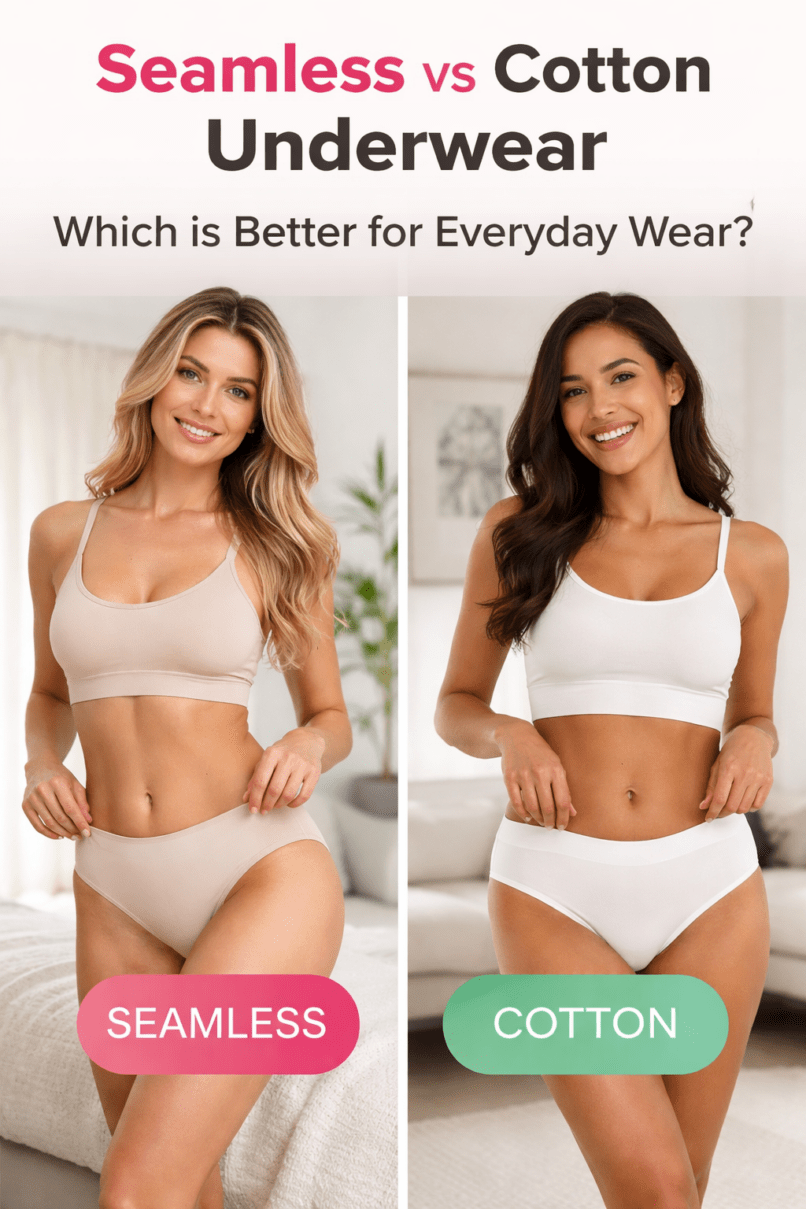
One of the most debated questions in intimate wear today is this: Seamless vs cotton underwear — which one is better for everyday wear?
The answer is not as simple as choosing one over the other. Fabric science, skin health, climate, body type, daily activity level, and even wardrobe choices all influence what “better” really means.
This comprehensive guide breaks down everything you need to know — from breathability and hygiene to durability, comfort, style, and long-term health implications. By the end, you will know exactly which type suits your lifestyle and why.
Understanding the Basics: What Is Seamless Underwear?
Seamless underwear is typically made using advanced knitting technology that eliminates traditional stitching lines. Instead of being cut and sewn from separate fabric panels, seamless garments are often constructed as a single tubular knit.
Common Materials Used:
- Nylon
- Spandex (Elastane)
- Polyester blends
- Microfiber
- Modal blends (in some premium options)
The defining feature is minimal visible seams. The fabric hugs the body smoothly, making it almost invisible under tight clothing.
Seamless underwear became especially popular with the rise of:
- Leggings
- Bodycon dresses
- Slim-fit jeans
- Athleisure fashion
It is designed for a sleek appearance and flexible movement.
Understanding the Basics: What Is Cotton Underwear?
Cotton underwear is made primarily from natural cotton fibers. It may be 100% cotton or blended with a small percentage of elastane for stretch.
Cotton is one of the oldest and most widely used textile fibers in the world. Its popularity in underwear stems from its:
- Natural breathability
- Softness
- Absorbency
- Skin-friendly properties
For decades, medical professionals have recommended cotton underwear, especially for people with sensitive skin.
The Real Comparison: Seamless vs Cotton Underwear for Everyday Wear
Let us break this down across critical performance factors.
1. Breathability: Which Fabric Lets Your Skin Breathe?
Breathability is one of the most important criteria for underwear because the intimate area is warm and moisture-prone.
Cotton
Cotton fibers are naturally porous. They allow air to circulate and absorb moisture effectively. This reduces humidity in the intimate area.
Benefits:
- Lowers risk of irritation
- Reduces excessive moisture buildup
- Suitable for hot climates
Cotton is often recommended in tropical regions or for people who sweat easily.
Seamless (Synthetic Blends)
Breathability depends on the specific material used.
- Standard nylon or polyester may trap heat.
- High-quality performance fabrics are engineered to wick moisture away.
However, many basic seamless options prioritize smoothness over ventilation.
Verdict on Breathability
For everyday wear, especially in warm climates or long workdays, cotton generally performs better in maintaining airflow and reducing trapped moisture.
2. Moisture Management and Hygiene
The intimate area is naturally moist. Good underwear should manage moisture without creating a breeding ground for bacteria.
Cotton
Cotton absorbs moisture rather than repelling it. This can be both a strength and a weakness.
Pros:
- Absorbs sweat quickly
- Reduces immediate damp feeling
Cons:
- Holds moisture longer
- May stay damp if sweating is excessive
Seamless Moisture-Wicking Fabrics
High-quality seamless underwear made for active wear often includes moisture-wicking technology.
Pros:
- Pulls moisture away from skin
- Dries faster than cotton
Cons:
- Cheaper versions may trap sweat
Hygiene Verdict
For normal daily activity, cotton remains a safe and hygienic choice.
For high-intensity days (gym, long walks, travel), performance seamless options may manage sweat more efficiently.
3. Comfort Level: All-Day Wear Test
Comfort is subjective but measurable across softness, flexibility, and irritation potential.
Cotton Comfort
Cotton feels soft and natural against the skin. It does not cling tightly unless blended with stretch fibers.
Advantages:
- Gentle on skin
- Ideal for long office hours
- Less likely to cause itching
Disadvantages:
- May shift under tight clothes
- Seams can create minor pressure points
Seamless Comfort
Seamless underwear is engineered to feel second-skin-like.
Advantages:
- Stretches with body movement
- No bulky seams
- Less visible panty lines
Disadvantages:
- Some synthetic fabrics feel less breathable
- Tight compression styles may feel restrictive
Comfort Verdict
For relaxed, casual daily wear, cotton wins for natural comfort.
For fitted outfits and movement-heavy days, seamless often feels more adaptive.
4. Appearance Under Clothing
This is where seamless underwear shines.
Seamless
- Nearly invisible under leggings and bodycon outfits
- Smooth silhouette
- No visible panty lines (VPL)
Cotton
- Traditional seams can show
- Edges may create lines under tight clothing
If your wardrobe includes:
- Pencil skirts
- Gym tights
- Slim trousers
- Fitted dresses
Seamless underwear offers a cleaner finish.
For loose jeans, wide-leg trousers, or relaxed outfits, cotton works perfectly.
5. Skin Sensitivity and Irritation Risk
Skin health is often overlooked when choosing underwear.
Cotton
Dermatologists frequently recommend cotton for sensitive skin because:
- It is hypoallergenic
- It reduces friction
- It minimizes irritation
It is especially suitable for:
- People prone to rashes
- Post-shaving sensitivity
- Individuals with eczema tendencies
Seamless Synthetic Fabrics
Some people react to synthetic fibers, particularly in humid conditions. However, premium seamless options with breathable mesh panels can reduce friction.
Skin Health Verdict
For sensitive or easily irritated skin, cotton remains the safer everyday choice.
6. Durability and Longevity
Underwear is washed frequently. Fabric durability matters.
Cotton
- Can shrink if washed improperly
- May lose elasticity over time
- Generally durable if high quality
Seamless
- Elastic fibers may degrade with heat drying
- High-quality blends maintain shape longer
- Cheap options lose stretch quickly
Care instructions significantly affect lifespan in both cases.
7. Climate Considerations
Your geographical location plays a role.
Hot and Humid Regions
Cotton provides better airflow. It reduces heat retention and friction discomfort.
Cooler or Air-Conditioned Environments
Seamless synthetic fabrics may feel comfortable since excessive sweating is less of a concern.
8. Active Lifestyle vs Sedentary Lifestyle
If you:
- Work at a desk all day → Cotton is ideal.
- Spend time commuting long distances → Cotton feels breathable.
- Exercise frequently → Seamless moisture-wicking underwear is practical.
Lifestyle determines fabric performance.
Psychological Comfort: The Confidence Factor
Underwear affects confidence more than many realize.
Seamless underwear offers:
- Smooth body contour
- Confidence in fitted outfits
- No fear of visible lines
Cotton offers:
- Relaxed comfort
- Natural feel
- Security in breathability
The “better” option often depends on what makes you feel most confident.
Cost Comparison: Budget vs Investment
Cotton underwear is generally more affordable.
Seamless underwear, especially high-performance blends, may cost more due to advanced manufacturing techniques.
If budget is a concern:
- Cotton multipacks offer value.
- Seamless options are best reserved for specific wardrobe needs.
Sustainability: Which Is More Eco-Friendly?
Cotton, especially organic cotton, is biodegradable and renewable.
Synthetic seamless fabrics are petroleum-based and less biodegradable, though some brands now use recycled fibers.
If sustainability matters, organic cotton may be preferable.
Common Myths About Seamless and Cotton Underwear
Myth 1: Cotton Is Always Better for Health
Truth: Cotton is generally safe, but moisture-wicking synthetics can also support hygiene if well designed.
Myth 2: Seamless Underwear Is Only for Fashion
Truth: Many athletic seamless styles are engineered for performance.
Myth 3: Synthetic Fabrics Are Unhealthy
Truth: Quality and design matter more than fabric category.
Who Should Choose Cotton Underwear?
You should prioritize cotton if:
- You have sensitive skin
- You live in a hot climate
- You prefer natural fabrics
- You work long sedentary hours
- Breathability matters most
Who Should Choose Seamless Underwear?
You should prioritize seamless if:
- You wear tight clothing frequently
- You value invisible lines
- You engage in active movement
- You want a smooth silhouette
- Stretch flexibility matters most
The Smartest Approach: Build a Balanced Underwear Wardrobe
The best everyday solution is not choosing one exclusively.
A practical rotation could include:
- 60–70% cotton for daily comfort
- 30–40% seamless for fitted outfits and active days
This approach maximizes comfort, style, and function.
Which One Is Better for Everyday Wear?
If we define “everyday wear” as long hours, comfort, breathability, and skin health — cotton holds the edge.
If we define “everyday wear” as modern fashion compatibility, stretch movement, and invisible finish — seamless leads.
The real answer is situational.
The smartest choice is not about trends. It is about understanding your body, your climate, your clothing, and your daily routine.
Underwear may be hidden, but its impact is constant.
Choose intentionally.
SUGGESTED READS
- How to Get Rid of Visible Panty Lines for Good — Smart, Comfortable Solutions
- Why Do Ladies Show Pant Lines? The Honest Truth No One Talks About

Support Our Website!
We appreciate your visit and hope you find our content valuable. If you’d like to support us further, please consider contributing through the TILL NUMBER: 9549825. Your support helps us keep delivering great content!
If you’d like to support Nabado from outside Kenya, we invite you to send your contributions through trusted third-party services such as Remitly, western union, SendWave, or WorldRemit. These platforms are reliable and convenient for international money transfers.
Please use the following details when sending your support:
Phone Number: +254701838999
Recipient Name: Peterson Getuma Okemwa
We sincerely appreciate your generosity and support. Thank you for being part of this journey!