

simply amazing, always for you.
The Dream, The Reality, and the Process
For millions of Africans, the idea of becoming a United States citizen is more than just a dream—it represents opportunity, stability, and global mobility. Whether you’re from Kenya, Nigeria, Ghana, South Africa, or any other part of the continent, the path to U.S. citizenship is achievable, but it is not simple, fast, or automatic.
It requires patience, strategy, legal compliance, and a clear understanding of how the immigration system works. Many people misunderstand the process, believing that traveling to the U.S. or winning a visa automatically leads to citizenship. In reality, citizenship is the final stage of a long journey that begins with legal entry and permanent residency.
This guide breaks everything down in a practical, no-nonsense way—specifically tailored for someone starting from Africa. By the end, you will understand the exact steps, timelines, challenges, and strategies needed to move from your home country to becoming a fully recognized U.S. citizen.
Understanding the Difference: Visa vs Green Card vs Citizenship
Before diving into the process, it’s critical to understand three key stages:
1. Visa (Temporary Entry)
A visa allows you to enter the U.S. for a specific purpose:
- Study (F-1 visa)
- Work (H-1B visa)
- Tourism (B1/B2 visa)
A visa does not make you a permanent resident or citizen.
2. Green Card (Permanent Residency)
A green card allows you to:
- Live permanently in the U.S.
- Work legally
- Travel in and out with fewer restrictions
This is the most important step toward citizenship.
3. Citizenship (Naturalization)
This is the final stage. Once you become a citizen, you gain:
- A U.S. passport
- Voting rights
- Full legal protection
- Ability to sponsor family members more easily
Step 1: Getting Into the United States Legally
From Africa, your journey begins with legal entry. There are several pathways:
A. Diversity Visa Lottery (DV Lottery)
This is one of the most common routes for Africans.
- Conducted annually by the U.S. government
- Open to countries with low immigration rates to the U.S.
- Winners receive a green card
Advantages:
- Direct path to permanent residency
- No need for employer or family sponsorship
Challenges:
- Highly competitive
- Millions apply each year
B. Student Visa (F-1)
Many Africans enter the U.S. as students.
Requirements:
- Admission to a U.S. institution
- Proof of financial support
- Strong ties to home country (for visa approval)
Pathway:
- Study in the U.S.
- Get Optional Practical Training (OPT)
- Secure a job
- Transition to work visa, then green card
C. Work Visa (H-1B or Others)
If you have specialized skills, an employer may sponsor you.
Requirements:
- Degree or specialized skill
- Job offer from a U.S. company
Challenges:
- Limited visa quotas
- Competitive selection
D. Family Sponsorship
If you have relatives who are U.S. citizens or permanent residents, they can sponsor you.
Priority is given to:
- Spouses
- Children
- Parents
E. Asylum or Refugee Status
For those fleeing persecution, this is another path, though it is complex and highly scrutinized.
Step 2: Getting a Green Card (Permanent Residency)
Without a green card, you cannot become a U.S. citizen.
Ways Africans commonly obtain green cards:
- Winning the DV Lottery
- Marriage to a U.S. citizen
- Employer sponsorship
- Family sponsorship
Once you have a green card, the real journey begins.
Step 3: Meeting Residency Requirements
To apply for citizenship, you must live in the U.S. for a specific period.
Standard Rule:
- 5 years as a green card holder
If Married to a U.S. Citizen:
- 3 years
You must also:
- Spend at least half that time physically in the U.S.
- Avoid long trips outside the country (especially over 6 months)
If you leave the U.S. for too long, you risk resetting your eligibility.
Step 4: Maintaining Good Moral Character
This requirement is taken very seriously.
You must demonstrate that you are a responsible, law-abiding resident.
Things That Can Disqualify You:
- Criminal offenses
- Immigration fraud
- Failure to pay taxes
- False information on applications
Even small issues can delay or deny your application.
For Africans adjusting to a new system, this step is critical. Cultural misunderstandings or legal ignorance can create problems, so staying informed is essential.
Step 5: Learning English
You must demonstrate basic proficiency in English.
This includes:
- Speaking
- Reading
- Writing
You don’t need to be perfect, but you must communicate clearly.
Exceptions:
- Older applicants (50+ or 55+ with long residency)
- Certain medical conditions
For many Africans, English is already widely spoken, which is a major advantage compared to applicants from non-English-speaking regions.
Step 6: Passing the Civics Test
This is one of the most talked-about steps.
You must understand basic U.S. history and government.
Topics include:
- The Constitution
- Branches of government
- Rights and freedoms
- Key historical events
Format:
- 10 questions asked
- Must answer at least 6 correctly
Preparation is essential, but the test is manageable with study.
Step 7: Filing the Application
You must submit Form N-400 to the U.S. Citizenship and Immigration Services.
This includes:
- Personal history
- Travel records
- Employment details
- Criminal background (if any)
You also pay a filing fee (typically several hundred dollars).
Accuracy is critical. Mistakes can delay or deny your application.
Step 8: Biometrics and Background Check
You will be required to:
- Provide fingerprints
- Take a photograph
- Undergo a security screening
This step ensures you do not pose a risk to the country.
Step 9: The Interview
This is where everything comes together.
An immigration officer will:
- Review your application
- Test your English
- Conduct the civics test
You must answer truthfully and confidently.
Many applicants fear this step, but preparation makes a huge difference.
Step 10: The Oath Ceremony
If approved, you attend a ceremony where you:
- Swear allegiance to the United States
- Commit to its laws and values
After this, you officially become a U.S. citizen.
Timeline: How Long Does It Take?
From Africa to U.S. citizenship, the timeline can vary:
- Getting to the U.S.: Months to years
- Obtaining a green card: Immediate (DV Lottery) or several years
- Citizenship eligibility: 3–5 years after green card
- Application processing: 6–12 months
Total journey: Often 5 to 10+ years
Common Challenges Africans Face
1. Financial Barriers
- Visa costs
- Travel expenses
- Application fees
2. Immigration Complexity
- Legal requirements are strict
- Small mistakes can have big consequences
3. Cultural Adjustment
- New systems, laws, and expectations
4. Employment Struggles
- Getting recognized qualifications
- Securing stable jobs
Strategies to Succeed
1. Start with the Right Entry Path
The DV Lottery is often the most accessible option for Africans.
2. Stay Legally Compliant
Never overstay a visa or work illegally.
3. Keep Records
Maintain documents for:
- Travel
- Employment
- Taxes
4. Invest in Education or Skills
Highly skilled individuals have better chances through work visas.
5. Seek Legal Advice When Needed
Immigration law is complex. Professional guidance can save years of trouble.
Life After Citizenship
Once you become a U.S. citizen, your life changes significantly.
You gain:
- Full legal protection
- Ability to vote
- Access to federal jobs
- Easier travel worldwide
- Ability to sponsor family members
For many Africans, this also means:
- Supporting family back home
- Investing in businesses
- Creating cross-continental opportunities
Dual Citizenship: Can You Keep Your African Citizenship?
Many African countries allow dual citizenship, including Kenya.
This means you can:
- Be a U.S. citizen
- Retain your original nationality
However, you must check your country’s specific laws.
The Reality Check: It’s Not Easy, But It’s Possible
Becoming a U.S. citizen from Africa is not a shortcut to success. It requires:
- Time
- Discipline
- Legal awareness
- Financial planning
Many people start the journey but fail due to:
- Poor planning
- Misinformation
- Legal mistakes
But those who succeed often transform their lives—and the lives of their families.
A Strategic Journey, not a Lucky Break
If you are serious about becoming a U.S. citizen, treat it like a long-term project, not a gamble.
Focus on:
- Legal entry
- Securing a green card
- Maintaining eligibility
- Preparing for naturalization
There is no single “easy” path, but there is a clear path.
For Africans willing to commit to the process, the opportunity is real, achievable, and life changing.
SUGGESTED READS
- London’s Secret Underground EXPOSED: 7 Abandoned Tube Stations Hidden Beneath Your Feet
- April Fools’ Day EXPOSED: The Shocking Origins and Insane Pranks That Fooled Millions Worldwide
- Struggling to Focus at Home? Fix Your Motivation Today
- “Tuko Kadi”: The Phrase Powering Kenya’s Political Awakening, Youth Identity, and Digital Culture
- You’re Learning Languages the Wrong Way — Here’s the Only Method That Actually Works
- Why Curious Minds Get Richer, Smarter, and More Successful
- How Sharp Boys Trick Young Kenyans Into Losing Big Money Online
Support Our Website!
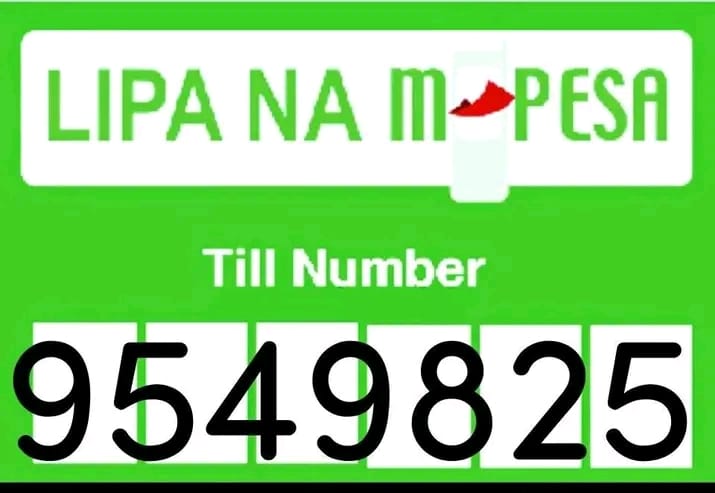
We appreciate your visit and hope you find our content valuable. If you’d like to support us further, please consider contributing through the TILL NUMBER: 9549825. Your support helps us keep delivering great content!
If you’d like to support Nabado from outside Kenya, we invite you to send your contributions through trusted third-party services such as Remitly, western union, SendWave, or WorldRemit. These platforms are reliable and convenient for international money transfers.
Please use the following details when sending your support:
Phone Number: +254701838999
Recipient Name: Peterson Getuma Okemwa
We sincerely appreciate your generosity and support. Thank you for being part of this journey!