

We aint done yet.. Expect another one.
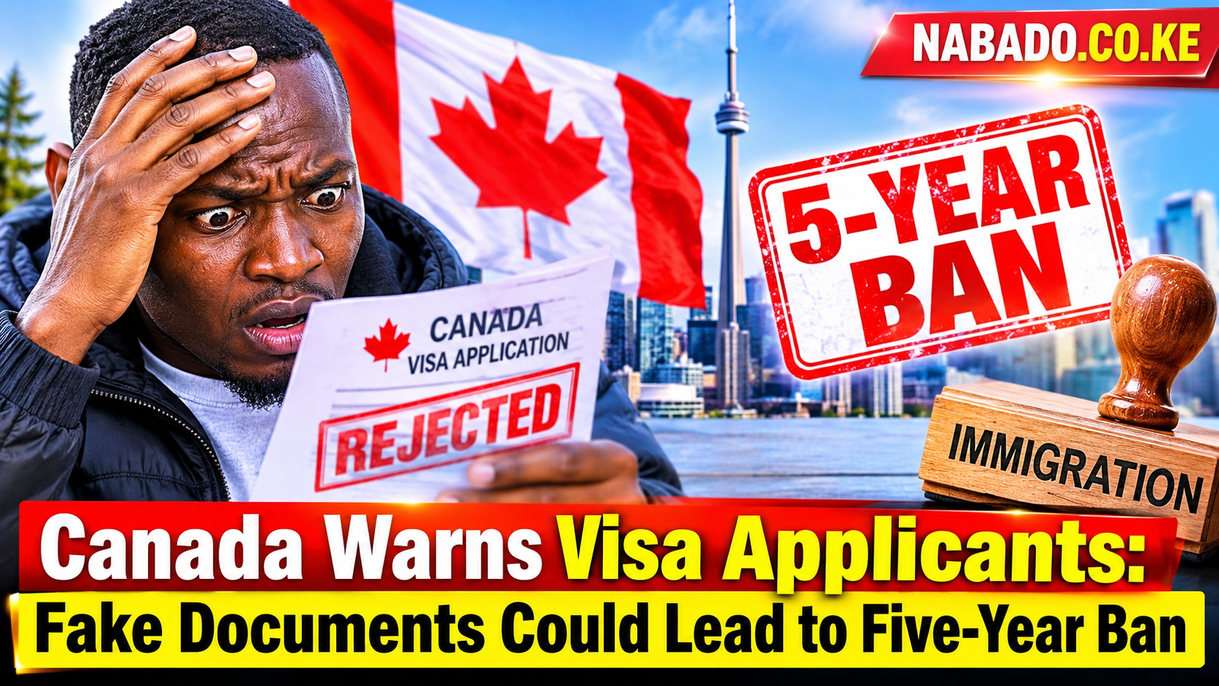
Canada has issued a serious warning to people seeking visas and immigration opportunities, cautioning that submitting fake documents or providing misleading information could result in a five-year ban from entering the country.
The warning is particularly important for foreign nationals hoping to travel to Canada for education, employment, tourism or permanent residence.
Under Canada’s immigration laws, applicants who deliberately submit fraudulent documents or conceal important information during the application process risk having their applications rejected and being declared inadmissible.
The consequences can go beyond losing an application, with affected individuals potentially being barred from entering Canada for at least five years.
Fake Documents That Could Get Applicants Banned
Canadian immigration authorities have identified several categories of documents that can trigger fraud investigations when they are forged, altered or deliberately misrepresented.
These include passports, travel documents, visas, immigration stamps and other identification records.
Applicants are also warned against submitting fake academic certificates, university transcripts, professional qualifications and language examination results.
Employment-related documents are another major concern. Individuals who fabricate work experience, submit false employment letters or use fraudulent job offers to strengthen their applications could face serious immigration consequences.
Students applying for Canadian study permits must also ensure that their admission letters, tuition payment receipts and academic records are genuine.
Other documents that could trigger investigations include marriage certificates, birth certificates, divorce records, police clearance certificates, court documents, DNA test results and medical examination records.
Canadian authorities stress that applicants must provide truthful information and ensure that every document submitted can be verified.
Five-Year Immigration Ban Under Canadian Law
The consequences of immigration misrepresentation are outlined under Section 40 of Canada’s Immigration and Refugee Protection Act.
The law allows Canadian authorities to declare foreign nationals inadmissible for directly or indirectly misrepresenting or withholding material facts that could influence immigration decisions.
A person found inadmissible for misrepresentation can face a five-year ban from entering Canada.
The restriction generally begins when the final determination is made for someone outside Canada. For a person inside Canada, the period generally runs from the enforcement of the removal order.
During this period, the affected individual may be unable to obtain another Canadian visa or enter the country.
The consequences can also affect individuals who already hold immigration status, depending on the circumstances and applicable legal procedures.
Applicants Could Face Trouble Even When Using Immigration Agents
Canadian authorities have also warned applicants about relying on dishonest immigration consultants, travel agents and other representatives.
Some individuals seeking Canadian visas pay agents to prepare their applications, assuming that the representatives will handle every requirement correctly.
However, using an agent does not automatically protect an applicant from the consequences of submitting fraudulent information.
Applicants remain responsible for ensuring that the information and documents submitted in their names are accurate.
This means individuals could face immigration problems if their representatives submit fake employment records, fabricated academic qualifications or misleading financial information.
Prospective immigrants are therefore encouraged to verify all documents before allowing representatives to submit their applications.
They should also avoid agents promising guaranteed visas or claiming to have special connections with Canadian immigration officers.
How Canadian Authorities Detect Immigration Fraud
Canada uses document verification procedures to establish whether information provided by applicants is genuine.
Immigration officers can contact employers, educational institutions, government agencies and other relevant organisations to confirm the authenticity of submitted documents.
For international students, Canadian authorities have strengthened verification of admission letters to ensure that applicants have genuine acceptance from recognised learning institutions.
Suspected fraudulent documents can trigger additional checks and investigations before an immigration decision is made.
Applicants should therefore not assume that altered documents will go unnoticed simply because they appear genuine.
What Kenyan Applicants Need to Know
The warning is particularly relevant to Kenyans pursuing opportunities in Canada.
Canada remains an attractive destination for Kenyan students, professionals, workers and families seeking better education and employment opportunities.
However, the pressure to secure a visa can expose applicants to fraudulent agents who promise quick approvals in exchange for money.
Some may offer fabricated employment contracts, academic certificates, bank statements or admission letters to make applications appear stronger.
Such shortcuts can have lasting consequences.
Kenyans applying for Canadian visas are encouraged to obtain documents directly from the relevant institutions, verify their employment and academic records and carefully review every detail before submitting an application.
They should also disclose previous visa refusals and other relevant immigration information where required.
Can Applicants Challenge a Five-Year Ban?
A five-year ban does not necessarily mean that an affected person has no legal options.
Depending on the circumstances, applicants may have grounds to challenge a misrepresentation decision through the available immigration review or appeal procedures.
However, the options depend on where the decision was made, the applicant’s immigration status and the specific circumstances of the case.
Anyone facing a misrepresentation finding should seek advice from a qualified Canadian immigration lawyer or authorised immigration professional.
Ultimately, Canadian authorities are reminding prospective immigrants that honesty is essential throughout the immigration process.
Submitting fake documents might appear to offer a shortcut to securing a visa, but it could cost applicants their opportunity to visit, study, work or settle in Canada for years.
SUGGESTED READS
- Elifasi Msomi: The Axe Killer Who Terrorised Rural Natal
- Elias Xitavhudzi: The Pangaman Who Terrorised Atteridgeville
- Sipho Thwala: The Phoenix Strangler and the Women Who Vanished
- Norman Simons: The Station Strangler and the Cape Town Murders That Shocked South Africa
- Cedric Maake: The Chilling Story of South Africa’s ‘Wemmer Pan Killer’
- Moses Sithole: The “ABC Killer” Who Used Job Promises to Lure Women to Their Deaths
- The Malawi Vampire Panic: How Rumors Sparked a Deadly Wave of Fear
- The Congolese Rubber Atrocities: When Greed Turned the Congo into a Land of Terror
- Ebola Outbreaks That Left Entire Villages Silent as Fear Gripped Communities

Support Our Website!
We appreciate your visit and hope you find our content valuable. If you’d like to support us further, please consider contributing through the TILL NUMBER: 9549825. Your support helps us keep delivering great content!
If you’d like to support Nabado from outside Kenya, we invite you to send your contributions through trusted third-party services such as Remitly, western union, SendWave, or WorldRemit. These platforms are reliable and convenient for international money transfers.
Please use the following details when sending your support:
Phone Number: +254701838999
Recipient Name: Peterson Getuma Okemwa
We sincerely appreciate your generosity and support. Thank you for being part of this journey!