

simply amazing, always for you.
The Era of “Nitumie Fare”
There was a time when “nitumie fare” was the unofficial opening line of romance in Kenya. It wasn’t just about transportation; it was a cultural ritual — a symbolic test of seriousness, generosity, and intent.

If you were dating in the 2010s, you remember how it went. You’d text someone you liked, plan a hangout, and right before the meeting, that famous message would drop:
“Babe, nitumie fare.”

It was code for: If you really like me, prove it.

And many did. Some even sacrificed their lunch money to send that KSh 300 for a matatu. For others, “sending fare” was a badge of pride — a small price for love or at least the possibility of it.
But times have changed.
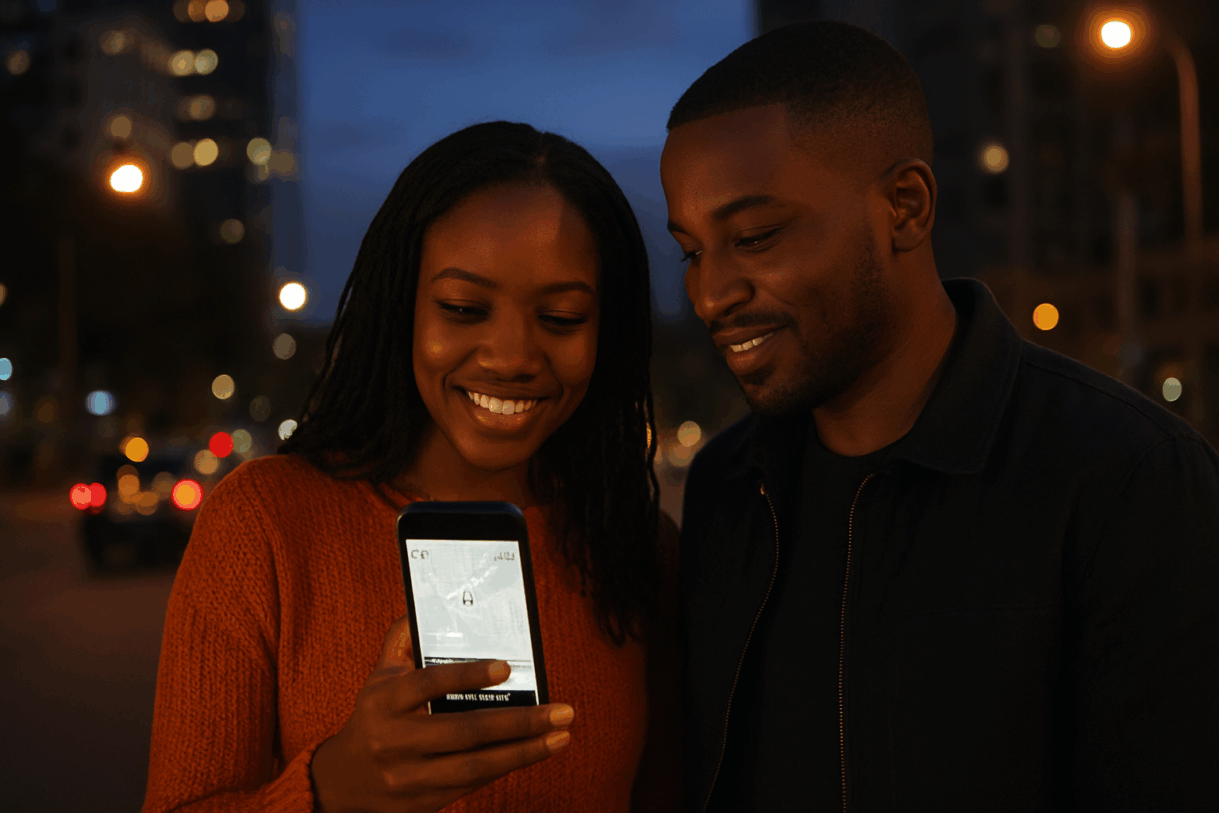
Welcome to 2025, where “we don’t send fare anymore — we just request an Uber.”
The Shift: From Cash to Convenience
Technology has quietly killed many small traditions — handwritten letters, mixtapes, even calling landlines. But one of the most interesting casualties in Kenyan social life is the fare era.
Mobile money was the first evolution. Suddenly, you could “send fare” instantly via M-Pesa — no excuses. But even that wasn’t foolproof. There were countless heartbreak stories of people sending fare only for the other person to “disappear with the money.”
Then came ride-hailing apps — Uber, Bolt, Little Cab — and just like that, the game changed forever.

Now, instead of sending someone KSh 400 for transport, you can simply say:
“Share your location, I’ll request an Uber.”
No middleman. No fake excuses. No disappearing acts. Just pure, trackable, digital efficiency.
Why the “Uber Era” Feels Safer and Smarter
There are a few reasons people have embraced this shift — and it’s not just about saving money.
- Accountability:
You can literally see the trip in real-time. You know they’re on the way. No more wondering if “the matatu broke down.” - Convenience:
It takes seconds to request a ride, and you don’t have to worry about someone not having change or missing the last stage matatu. - Control:
You handle logistics directly — choose the car, track the driver, and pay with your card. It removes uncertainty from the equation. - Modern Romance:
There’s something romantic (and a little tech-savvy) about saying, “I got you, I’ll send a car.” It feels futuristic, responsible, and smooth.
The Hidden Meanings Behind the Shift
But deeper than convenience, the Uber era reveals something bigger about how people connect today.
In the “send fare” generation, money was a symbol of trust. You sent fare to show commitment — to prove your intention was real. It was emotional currency wrapped in financial form.
Now, in the “request Uber” generation, trust has turned into control. People don’t want to risk being played. The move says: I’ll still take care of you — but I’ll do it in a way that ensures I don’t get scammed.
It’s a reflection of how dating itself has become more cautious, more efficient, more transactional.
When Technology Changes Romance
The evolution from fare to Uber mirrors how tech has rewired relationships overall.
We meet online now — on Tinder, Bumble, Instagram, X (Twitter), and TikTok. We flirt through memes, emojis, and DMs. We schedule dates via Google Calendar. And if things go wrong, we delete, block, and move on.
The Uber era fits perfectly into this rhythm — instant, trackable, and safe.
But as with all technological progress, something gets lost in translation.
Back then, “sending fare” wasn’t just a financial transaction; it was a small, vulnerable act of faith. You risked your money and your pride, hoping someone would show up. And when they did, it meant something.
Now, with Uber requests, there’s no risk — but maybe also a little less heart.
The Death of the Fare Scam
Let’s be honest — many people are secretly grateful for this change because it ended one of Kenya’s funniest and most painful social scams: the fare ghosting.
The classic story goes like this:
- You send KSh 500.
- She texts, “On my way.”
- An hour later: silence.
- You call. No answer.
- Later that night, she posts on her WhatsApp story: “Out with the girls.”
Pain.
With Uber, that storyline is extinct. You can’t ghost someone with a live trip tracker. The moment they don’t get in the car, you know.
Technology: 1
Fare scammers: 0
New Rules of the Game
In the Uber era, relationships — even casual ones — have adopted a new etiquette.
- Share location is the new “I’m on the way.”
- Trip complete is the new “I’ve arrived safely.”
- Request sent is the new “I’ve sent fare.”
- Driver waiting is the new “I’m outside.”
It’s cleaner, faster, and more urban. But it also reveals how we’ve started blending romance with logistics — love with algorithms.
What Older Generations Think
Talk to someone who dated before smartphones and you’ll hear them say, “These kids have it easy.”
And in some ways, they’re right. Today, you can organize an entire date without moving from your couch. You can order food, request a ride, and split the bill — all on your phone.
But the older generation might also miss the charm of doing things the slow way. The nerves of waiting for someone to show up. The sincerity of a handwritten apology when someone didn’t.
Now, if a date is late, we just check the map. The mystery is gone.
Gender, Power, and Perception
Interestingly, this cultural shift has also redefined the subtle power dynamics between men and women in dating.
For years, “sending fare” was often associated with men paying for women to visit them — a dynamic that carried both generosity and expectation.
Now, with ride-hailing, that power balance has flattened. Either person can request the ride, either can pay, and either can send the car. It’s gender-neutral — and that’s quietly revolutionary.
In fact, some women now flip the script:
“Don’t worry, I’ll request your Uber.”
It’s independence meets innovation — and a subtle statement that care isn’t gendered.
The Urban Identity
The phrase “We don’t send fare, we request Uber” has become part of Nairobi’s modern urban identity. It’s shorthand for a generation that’s digitally fluent, time-conscious, and allergic to drama.
It’s the same generation that pays rent on mobile apps, works remotely, dates virtually, and orders groceries online. For them, calling an Uber isn’t luxury — it’s common sense.
In a way, this shift represents Kenya’s rapid digital evolution — from M-Pesa pioneers to smart-city lifestyle.
But Will It Last?
Trends change fast. Today it’s Uber; tomorrow it might be flying drones or self-driving pods. What matters isn’t the app but the attitude — efficiency over emotion, convenience over connection.
Yet, deep down, humans will always crave something personal, unpredictable, and warm.
Maybe the next evolution won’t just make transport easier — maybe it’ll help us bring back a bit of heart into our digital love stories.
Because whether you’re sending fare or requesting Uber, what people truly want is the same thing: to feel cared for.
The journey from “send fare” to “request Uber” is more than a meme
— it’s a mirror of how our society has grown, how technology has redefined trust, and how modern love keeps reinventing itself in Nairobi’s fast-paced world.
We’ve moved from matatus to apps, from mystery to tracking, from faith to data. But in the middle of all that, the heart still beats the same — hoping someone will show up, whether by foot, fare, or Uber.
SUGGESTED READS
- The Handkerchief Tradition: The Forgotten Fabric That Carried Our Deepest Emotions
- How Food Can Solve Angriness: The Science of Eating Your Way to Calm
- The Way I Communicate: Why I Prefer Words That Feel Real
- The Habits We Inherit: The Quiet Ways Our Parents Shape Who We Become
- Telltale Signs You’re Upset (Even When You Think You’re Hiding It)
Support Our Website!
We appreciate your visit and hope you find our content valuable. If you’d like to support us further, please consider contributing through the TILL NUMBER: 9549825. Your support helps us keep delivering great content!
If you’d like to support Nabado from outside Kenya, we invite you to send your contributions through trusted third-party services such as Remitly, western union, SendWave, or WorldRemit. These platforms are reliable and convenient for international money transfers.
Please use the following details when sending your support:
Phone Number: +254701838999
Recipient Name: Peterson Getuma Okemwa
We sincerely appreciate your generosity and support. Thank you for being part of this journey!