


simply amazing, always for you.
Kenya is not the same country it was five years ago — at least not financially. The cost of unga, fuel, electricity, school fees, rent, and even airtime keeps climbing. For many households in Kenya, income has not kept pace with inflation. Salaries remain stagnant while expenses rise almost monthly.
If you feel like your money disappears faster than ever, you are not imagining it.
Inflation — measured and reported by institutions such as the Kenya National Bureau of Statistics — has consistently impacted food prices, transport, housing, and utilities. Meanwhile, policies influenced by global lenders like the International Monetary Fund have led to tax adjustments that affect everyday spending.
But here is the truth: even in tough economic seasons, financial stability is still possible. It just requires a different strategy.
This is your practical, realistic guide to managing money in Kenya when prices keep rising.
1. Accept That the Economy Has Changed
The first step is mental.
Many people are still budgeting as if prices are temporary. They assume fuel will drop soon. They assume unga will return to last year’s price. They assume rent increases are seasonal.
But inflation in developing economies rarely reverses quickly. It stabilizes — but often at a higher baseline.
Instead of hoping prices will go back down, build your financial system around today’s reality.
That mindset shift changes everything.
2. Track Every Shilling (Without Overcomplicating It)
When money is tight, guesswork becomes dangerous.
You do not need complicated spreadsheets. You just need clarity.
For 30 days:
- Write down every expense.
- Include small purchases (snacks, fare top-ups, mobile data bundles).
- Categorize into essentials vs non-essentials.
You will likely discover:
- Transport is eating more than expected.
- Small daily purchases add up massively.
- Digital subscriptions quietly drain funds.
Use simple tools like:
- M-Pesa statements
- A notebook
- Free budgeting apps
The goal is awareness, not perfection.
3. Prioritize Survival Categories First
In an inflation-heavy economy, your budget must be hierarchical.
Tier 1: Non-Negotiables
- Rent
- Food
- Utilities
- Transport to work
- School fees (if applicable)
Tier 2: Stability Builders
- Emergency savings
- Health insurance (NHIF / SHA equivalent programs)
- Debt repayment
Tier 3: Lifestyle
- Entertainment
- Eating out
- Upgrading gadgets
- Fashion splurges
When prices rise, Tier 3 must shrink first — not your savings, not your rent.
Most people cut savings before cutting lifestyle. That creates long-term vulnerability.
4. Rethink Food Spending (Without Starving Yourself)
Food inflation hits hardest in Kenya.
Instead of reacting emotionally at the supermarket:
- Buy in bulk when possible.
- Switch to seasonal vegetables.
- Reduce processed foods.
- Cook at home more often.
- Plan meals weekly.
Markets in estates are often cheaper than large supermarkets. Compare before buying.
Also consider forming small buying groups with friends or neighbors for bulk staples.
Inflation punishes convenience. Discipline protects margins.
5. Cut “Invisible” Expenses
Rising prices expose financial leaks.
Check for:
- Unused subscriptions
- Premium mobile bundles you do not need
- Multiple loan apps charging interest
- Bank charges you ignore
Many Kenyans quietly lose thousands monthly through micro-deductions.
Review bank statements carefully.
6. Avoid High-Interest Digital Loans
Apps promising instant loans can trap you.
Many short-term lenders charge extremely high effective interest rates. Missing one payment can trigger penalties, listing with CRBs, and harassment.
When prices are rising, desperation borrowing increases.
If you must borrow:
- Use SACCO loans with lower rates.
- Negotiate payment extensions early.
- Avoid borrowing for lifestyle.
Debt during inflation multiplies stress.
7. Build an Emergency Fund (Even If It’s Small)
An emergency fund is not for luxury.
It is for:
- Medical bills
- Sudden job loss
- Unexpected travel
- Urgent repairs
Start with:
- KSh 5,000
- Then KSh 10,000
- Then one month’s expenses
Store it in a separate mobile wallet or savings account where you will not touch it casually.
Inflation makes emergencies more expensive. Preparation reduces panic.
8. Increase Income — Don’t Just Cut Expenses
There is a limit to cutting.
At some point, you must grow income.
Options in Kenya include:
- Freelancing online
- Selling products via WhatsApp
- Offering services locally
- Starting small side hustles
- Leveraging digital platforms
Urban areas like Nairobi offer opportunities in ride-hailing, delivery services, tutoring, and content creation. Smaller towns also have local demand for services.
Ask yourself:
- What skill do I already have?
- What problem can I solve?
- What service can I offer?
Inflation hurts earners who depend on one income stream.
9. Understand the Tax Environment
Kenya’s fiscal adjustments affect daily life.
VAT increases, fuel levies, and digital service taxes impact:
- Transport
- Electricity
- Imported goods
- Airtime
- Data bundles
Policies passed through institutions like the Parliament of Kenya shape your purchasing power.
You do not need to be a political analyst — but you must be financially aware.
When taxes rise, adjust your budget immediately. Do not wait until debt accumulates.
10. Protect Your Mental Health
Money stress destroys focus and relationships.
When prices rise:
- Couples argue more.
- Families feel pressure.
- Anxiety increases.
Create:
- Monthly money meetings (if married)
- Transparent financial discussions
- Shared goals
Financial denial worsens stress. Financial communication reduces it.
11. Invest — Even During Inflation
Many people stop investing when the economy tightens.
That is a mistake.
Inflation erodes idle cash. Saving alone is not enough.
Consider:
- SACCO shares
- Money market funds
- Government bonds
- Small business reinvestment
Diversify cautiously. Research thoroughly. Avoid get-rich-quick schemes.
Inflation rewards investors who think long-term.
12. Renegotiate Fixed Costs
Do not assume fixed costs are fixed forever.
You can:
- Negotiate rent renewals
- Switch internet providers
- Downgrade packages
- Move closer to work to reduce transport
Even a small reduction monthly creates breathing room.
13. Avoid Lifestyle Inflation
When income increases slightly, many upgrade immediately:
- Better phone
- Bigger house
- More eating out
In a rising-price economy, stability beats appearance.
Delay upgrades until savings are solid.
14. Think in Annual Terms, Not Monthly
Inflation planning works better annually.
Ask:
- What will school fees look like next year?
- Will rent increase?
- What about insurance premiums?
Project forward and start preparing early.
Waiting until January to think about fees guarantees financial stress.
15. Adopt a Resilient Mindset
Kenya has survived:
- Political instability
- Drought cycles
- Global economic shocks
- Pandemic disruptions
Households that survive are those that adapt quickly.
You cannot control inflation.
You can control:
- Spending behavior
- Income creativity
- Savings discipline
- Financial awareness
A Practical Monthly Budget Example (Kenyan Context)
Let’s assume:
Income: KSh 50,000
Suggested Allocation:
- Rent: 30% (15,000)
- Food: 20% (10,000)
- Transport: 10% (5,000)
- Utilities: 5% (2,500)
- Savings: 10% (5,000)
- Insurance: 5% (2,500)
- Family support: 10% (5,000)
- Lifestyle: 10% (5,000)
Adjust based on reality — but always include savings.
Thriving, Not Just Surviving
Managing money in Kenya during rising prices is not about being perfect.
It is about being intentional.
Inflation punishes the passive.
It rewards the strategic.
If you:
- Track spending,
- Increase income,
- Avoid bad debt,
- Build savings,
- Invest wisely,
you can still build stability — even in a rising-cost economy.
The economy may shift again. Policies may change. Prices may fluctuate.
But financial discipline will always outperform financial panic.
And in times like these, discipline is power.
SUGGESTED READS
- The Honest Reality of Freelancing in Kenya (Income, Struggles, and Success Tips)
- The Dark Side of Hustling in Kenya: What Social Media Never Shows You
- How Young Kenyans Are Surviving Without Stable Jobs
- “Your Goods Are Expensive” — The Lie, the Truth, and the Fix
- Why Wait for Employment? Build a Profitable Business from Home in Kenya
Support Our Website!
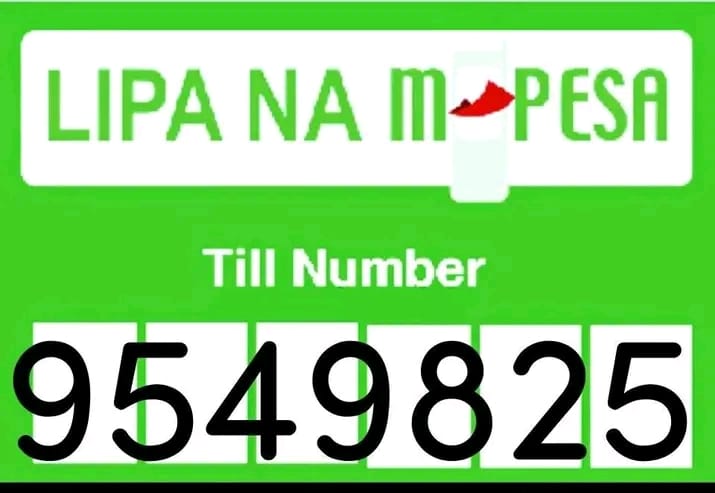
We appreciate your visit and hope you find our content valuable. If you’d like to support us further, please consider contributing through the TILL NUMBER: 9549825. Your support helps us keep delivering great content!
If you’d like to support Nabado from outside Kenya, we invite you to send your contributions through trusted third-party services such as Remitly, western union, SendWave, or WorldRemit. These platforms are reliable and convenient for international money transfers.
Please use the following details when sending your support:
Phone Number: +254701838999
Recipient Name: Peterson Getuma Okemwa
We sincerely appreciate your generosity and support. Thank you for being part of this journey!