

We Ain’t Done Yet… Expect Another One.
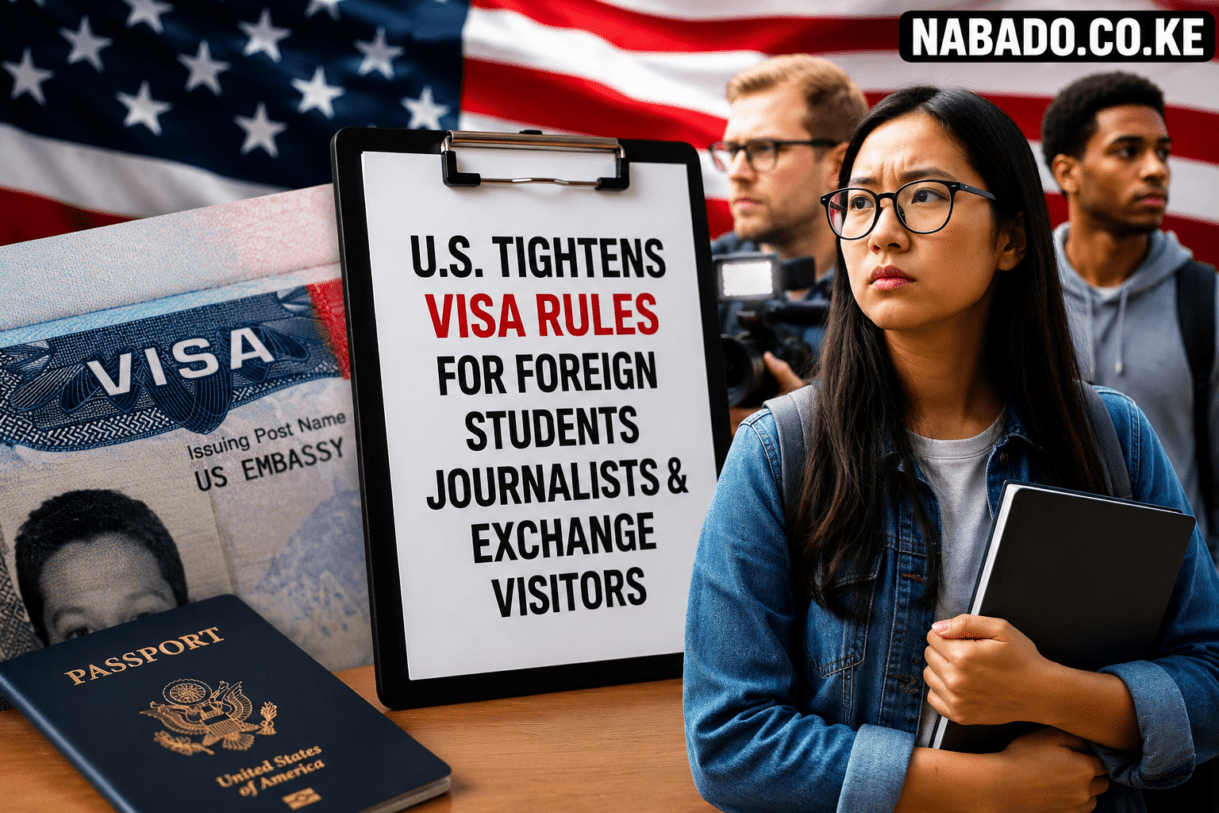
The United States is set to introduce tougher visa rules for international students, foreign journalists and cultural exchange visitors under a new immigration policy that significantly changes how long many temporary visa holders can remain in the country.
The new regulations, announced by the U.S. Department of Homeland Security (DHS), replace the long-standing “duration of status” system for many visa holders with fixed periods of stay. The administration says the changes are aimed at strengthening immigration oversight, improving national security and ensuring temporary visa programs are not abused.
For years, many international students and exchange visitors were allowed to stay in the United States for as long as they remained enrolled in approved programs and complied with visa requirements. Under the new framework, that flexibility will largely disappear.
Four-Year Limit for Most Students and Exchange Visitors
Most international students holding F visas and participants in cultural and educational exchange programs on J visas will now be granted stays of up to four years. Those wishing to remain beyond that period will need to apply for an extension or another lawful immigration status.
The administration says the change will make it easier for immigration authorities to track visa holders and ensure compliance with U.S. laws.
Journalists Face Shorter Visa Periods
Foreign journalists will also be affected.
Media professionals traveling on I visas will generally be limited to stays of 240 days, while journalists from China will receive visas valid for 90 days, with the possibility of renewal under specific circumstances.
The policy has already drawn criticism from press freedom advocates, who argue that shorter visa periods could complicate reporting assignments and increase uncertainty for international news organizations operating in the United States.
New Rules for Students
International students will face additional administrative requirements under the revised regulations.
Graduate students seeking to transfer to another institution or change their field of study may now require government approval before making those changes.
The grace period after completing academic programs will also be shortened. Instead of the current 60 days, most students will have 30 days to leave the United States or secure another legal immigration status.
Government Says Changes Improve Security
U.S. officials say the new rules are designed to modernize visa oversight and close loopholes that have existed under the previous system.
According to the Department of Homeland Security, fixed visa periods will improve record-keeping and help authorities monitor compliance more effectively as international travel continues to grow.
The administration has maintained that the measures are intended to protect the integrity of temporary visa programs while supporting national security objectives.
Universities and Advocacy Groups Express Concern
The announcement has raised concerns among universities, immigration lawyers and international education organizations.
Many higher education institutions fear the stricter rules could discourage talented students and researchers from choosing the United States for their studies. They argue that international students already undergo extensive screening and contribute billions of dollars annually to the U.S. economy through tuition, housing and local spending.
Press freedom organizations have also questioned the reduced visa periods for journalists, warning that frequent renewals could disrupt independent reporting.
China Criticizes New Policy
China has strongly objected to the decision to impose shorter visa validity for its journalists, describing the move as unfair and discriminatory.
Chinese officials have indicated that Beijing could consider reciprocal measures affecting American journalists working in China if the policy remains unchanged.
What Happens Next?
The regulations are expected to take effect approximately 60 days after publication in the Federal Register, unless modified through the regulatory process.
The changes mark another major shift in U.S. immigration policy and are expected to affect thousands of international students, educators, journalists and cultural exchange participants planning to travel to the United States in the coming months.
SUGGESTED READS
- The Psychological Effects of Infidelity on Marriage: A Deep Exploration
- The Grave Between Them
- How African Proverbs Promote Emotional Intelligence in Relationships
- African Proverbs for Navigating Long-Distance Relationships
- Parenting and Partnership: African Proverbs on Raising Children in Love
- How to Use African Proverbs in Wedding Vows and Speeches
- Traditional African Wedding Rituals and Their Symbolic Meanings
Support Our Website!
We appreciate your visit and hope you find our content valuable. If you’d like to support us further, please consider contributing through the TILL NUMBER: 9549825. Your support helps us keep delivering great content!
If you’d like to support Nabado from outside Kenya, we invite you to send your contributions through trusted third-party services such as Remitly, western union, SendWave, or WorldRemit. These platforms are reliable and convenient for international money transfers.
Please use the following details when sending your support:
Phone Number: +254701838999
Recipient Name: Peterson Getuma Okemwa
We sincerely appreciate your generosity and support. Thank you for being part of this journey!