

We aint done yet.. Expect another one.
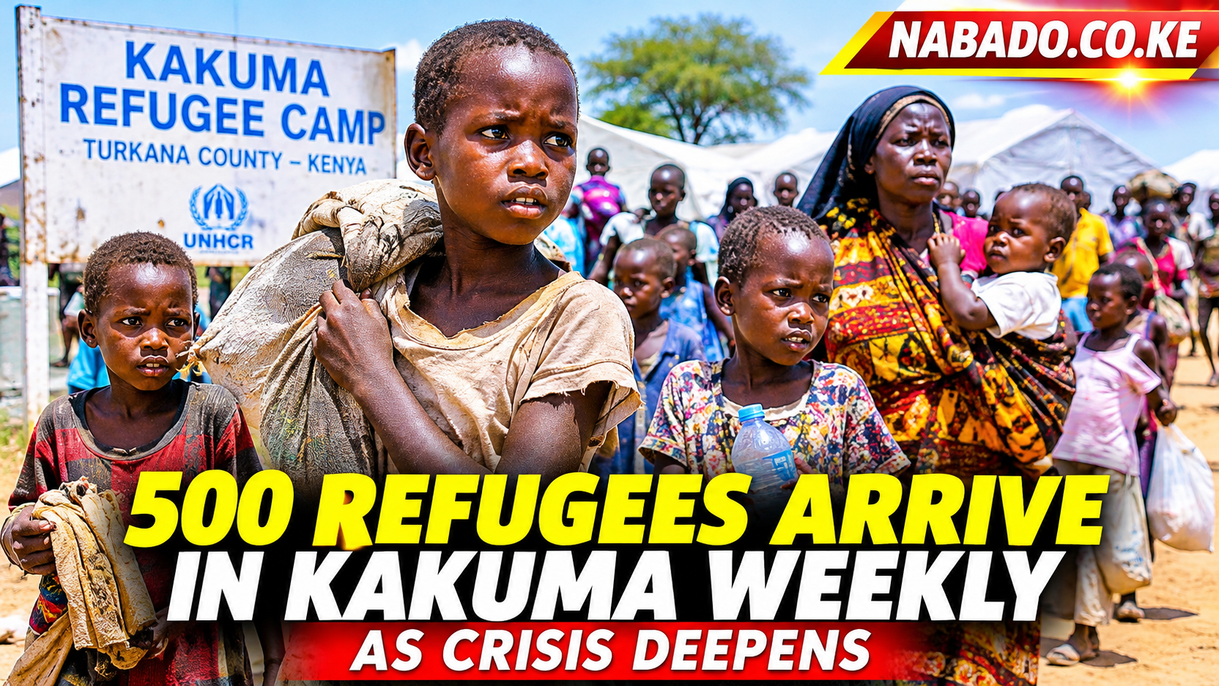
Kenya is facing growing humanitarian pressure as hundreds of children continue arriving at Kakuma Refugee Camp every week after escaping conflict, violence and insecurity in neighbouring countries.
An estimated 500 children are arriving weekly, highlighting the worsening displacement crisis in the region and the increasing pressure on humanitarian organisations struggling to provide basic services to vulnerable families.
The growing arrivals have raised concerns about the welfare of children who have been forced to abandon their homes, schools and communities in search of safety.
Kakuma Refugee Camp, located in Turkana County, has for decades provided shelter to people escaping wars, persecution and political instability across East Africa and neighbouring regions.
However, the latest influx is placing additional pressure on already stretched resources, particularly healthcare, food supplies, clean water, sanitation and education.
Humanitarian organisation Save the Children has warned that children are among those facing the greatest risks as the refugee crisis continues to deepen.
Save the Children Raises Alarm Over Growing Arrivals
The warning was issued by Save the Children following a visit to Turkana and Kakuma by its US President and Chief Executive Officer, Janti Soeripto, alongside members of the organisation’s Board of Trustees.
During the visit, the delegation met refugee families, children, community leaders and humanitarian workers to assess the challenges facing displaced communities.
The organisation said approximately 500 new arrivals are reaching Kakuma every week, with most of them being children fleeing conflict.
It also reported that more than 40,000 people escaping violence in neighbouring countries have arrived in northern Kenya, adding to the humanitarian burden.
Soeripto called on the international community to maintain its support for vulnerable families, warning that conflict, displacement, climate shocks and poverty were creating increasingly difficult conditions for children. People Daily
International Aid Cuts Worsen the Situation
Another major concern is the reduction in international humanitarian funding, which has affected the ability of aid organisations to deliver essential services.
Save the Children reported that health and nutrition outreach activities in Turkana declined by more than 80 per cent.
The number of outreach activities dropped from 158 in January 2025 to just 24 in October 2026.
This reduction has made it harder for families in remote communities to access medical assistance, immunisation and treatment for malnutrition.
The organisation also reported interruptions in supplies of specialised nutrition products used to support children suffering from malnutrition.
Humanitarian agencies fear that continued funding shortages could leave more children exposed to preventable illnesses and severe nutritional challenges. People Daily
Marsabit Residents Also Face Food Insecurity
The humanitarian crisis extends beyond Kakuma and Turkana.
In Marsabit County, approximately one-quarter of the population is experiencing crisis and emergency levels of food insecurity, according to Save the Children.
Families are struggling with the combined effects of climate shocks, displacement, poverty and limited access to essential resources.
The anticipated El Niño rains have also raised concerns about possible flooding, disruption of transport networks and increased disease risks.
Meanwhile, food insecurity remains a concern across Kenya’s refugee settlements. FEWS NET projects that millions of people will require humanitarian food assistance between October 2026 and May 2027, with Kakuma and Kalobeyei among the areas facing significant pressure. People Daily+1
Calls for More Support for Refugee Children
Save the Children is calling on governments, international donors and development partners to increase funding for humanitarian programmes targeting vulnerable children and displaced families.
The organisation says emergency food assistance alone cannot address the challenges facing refugee-hosting communities.
Long-term investment is needed in healthcare, nutrition, education, clean water, sanitation and livelihood programmes.
It has also highlighted the importance of Child Friendly Spaces in Kakuma, which provide children with protection and psychosocial support as they recover from the trauma associated with displacement.
For thousands of children arriving in Kenya, access to these services could make an important difference as they attempt to rebuild their lives.
Kenya Faces a Difficult Humanitarian Challenge
The growing number of refugees arriving in Kakuma presents another challenge for Kenya, which continues to host large displaced populations from different parts of the region.
While the country has maintained its refugee-hosting responsibilities, the increasing demand for services requires stronger cooperation between the government, humanitarian organisations and international partners.
The situation also affects local communities in Turkana, where residents face their own challenges involving poverty, food insecurity and limited access to essential services.
As hundreds of new refugees continue arriving every week, the immediate priority remains protecting vulnerable children and ensuring displaced families can access basic necessities.
Without reliable humanitarian funding and sustained international support, the situation could become even more difficult for children who have already lost their homes, education and sense of security.
SUGGESTED READS
- Elifasi Msomi: The Axe Killer Who Terrorised Rural Natal
- Elias Xitavhudzi: The Pangaman Who Terrorised Atteridgeville
- Sipho Thwala: The Phoenix Strangler and the Women Who Vanished
- Norman Simons: The Station Strangler and the Cape Town Murders That Shocked South Africa
- Cedric Maake: The Chilling Story of South Africa’s ‘Wemmer Pan Killer’
- Moses Sithole: The “ABC Killer” Who Used Job Promises to Lure Women to Their Deaths
- The Malawi Vampire Panic: How Rumors Sparked a Deadly Wave of Fear
- The Congolese Rubber Atrocities: When Greed Turned the Congo into a Land of Terror

Support Our Website!
We appreciate your visit and hope you find our content valuable. If you’d like to support us further, please consider contributing through the TILL NUMBER: 9549825. Your support helps us keep delivering great content!
If you’d like to support Nabado from outside Kenya, we invite you to send your contributions through trusted third-party services such as Remitly, western union, SendWave, or WorldRemit. These platforms are reliable and convenient for international money transfers.
Please use the following details when sending your support:
Phone Number: +254701838999
Recipient Name: Peterson Getuma Okemwa
We sincerely appreciate your generosity and support. Thank you for being part of this journey!