

We aint done yet.. Expect another one.
Snakes are among the most fascinating yet feared creatures on Earth. While many species are harmless and play an important role in maintaining ecological balance, others possess venom powerful enough to cause paralysis, organ failure, severe internal bleeding and even death.
Across Africa, Asia, Australia and the Americas, some snakes have developed extraordinary hunting and defensive abilities. A few can deliver highly toxic venom through a single bite, while others are responsible for numerous human fatalities because they frequently live close to farms, villages and residential areas.
What makes these reptiles particularly frightening is that danger does not always come from the largest or most aggressive species. Some relatively small snakes possess extremely potent venom, while others rely on camouflage to remain hidden until an unsuspecting person gets too close.
Australia is home to several of the world’s most venomous snakes, but Africa and Asia also harbour species that pose serious threats to human life. In some regions, snakebites remain a major public health concern, particularly where access to antivenom and emergency medical facilities is limited.
Here are 15 of the most dangerous snakes in the world, their characteristics, where they live and what makes them so deadly.
1. Inland Taipan – The World’s Most Venomous Snake
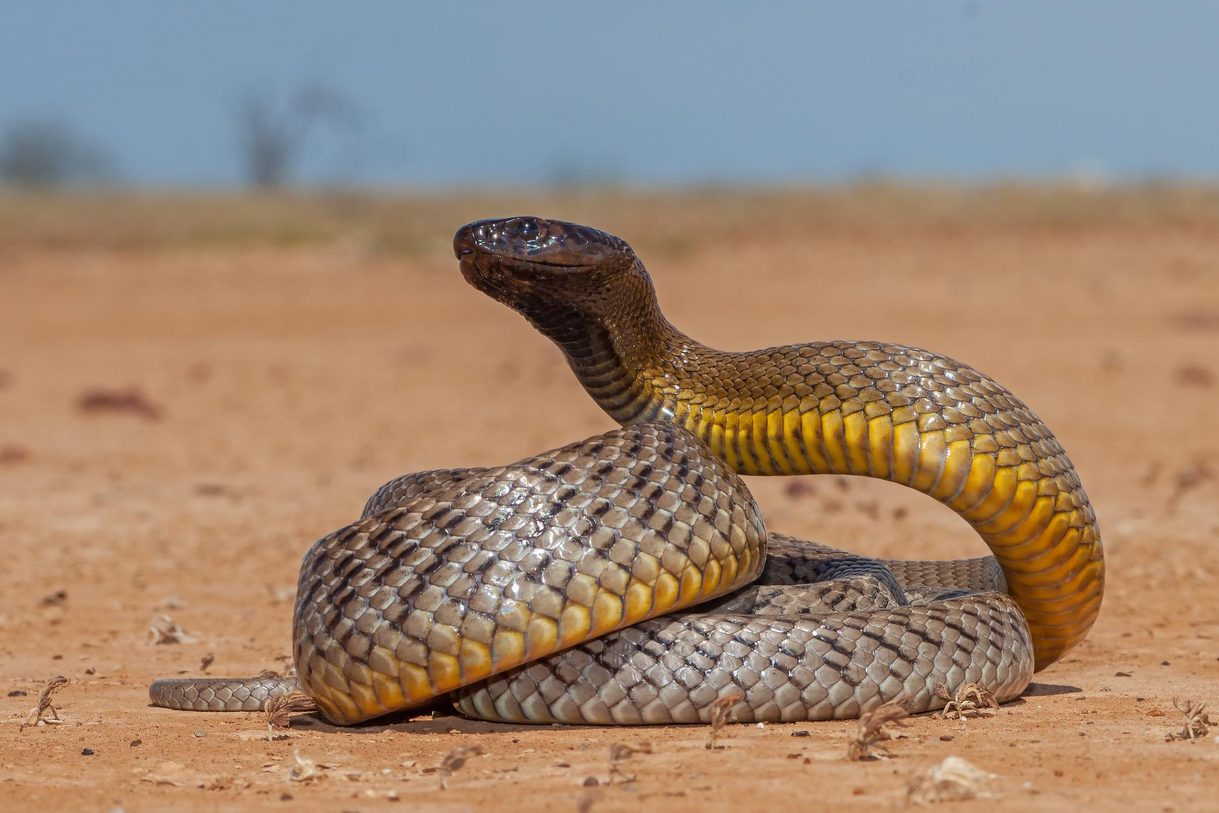
It’s over 2 metres long and has enough venom in one bite to kill 100 adults. Meet one of the deadliest animals on the planet
The inland taipan, scientifically known as Oxyuranus microlepidotus, is widely recognised as the most venomous land snake in the world based on laboratory measurements of venom toxicity.
Native to the dry inland regions of Australia, this snake is sometimes called the fierce snake or small-scaled snake. Despite its terrifying reputation, it is generally shy and prefers avoiding human contact.
Its venom contains a powerful combination of toxins that can attack the nervous system, damage muscles and interfere with normal blood clotting. A serious untreated bite can lead to life-threatening complications.
The inland taipan is particularly remarkable because its venom is so potent that a single bite can contain enough venom to kill multiple adult humans under certain circumstances.
Fortunately, encounters with people are uncommon because the snake inhabits remote and sparsely populated environments.
2. Black Mamba – Africa’s Feared Speedster
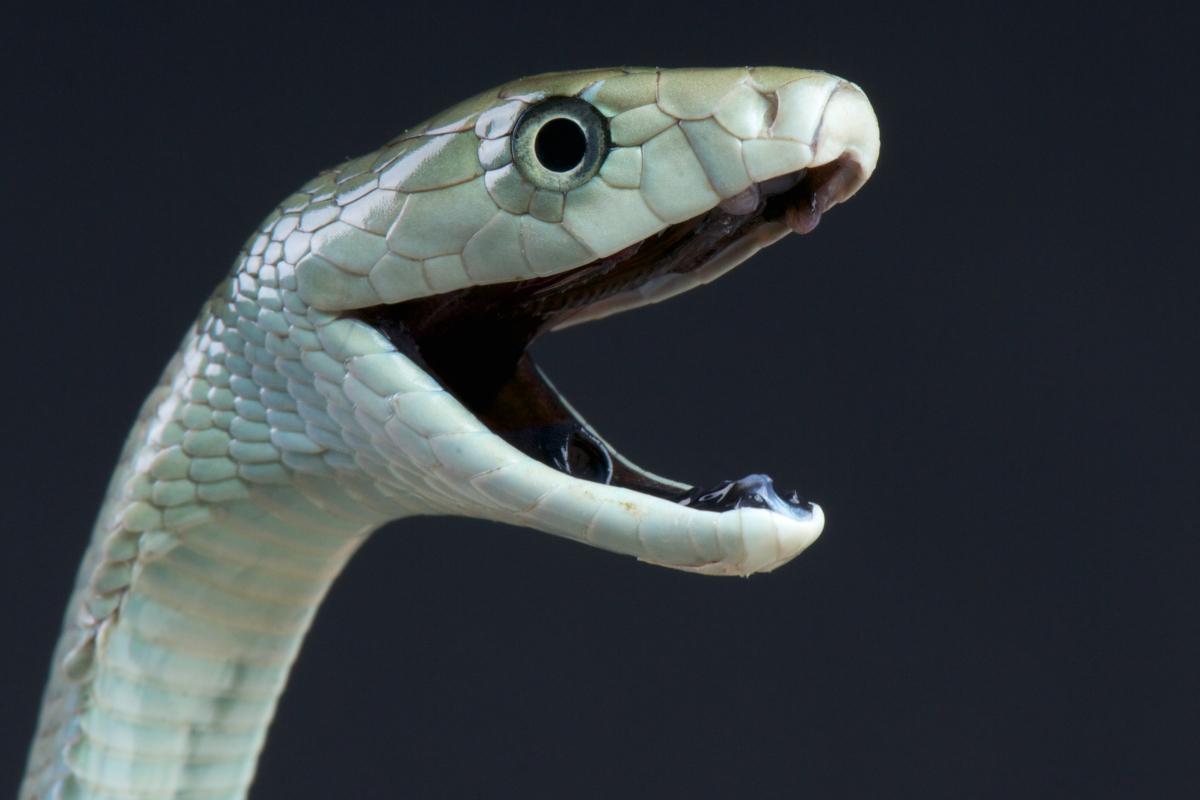
The Black Mamba: The Facts About One of the Most Venomous Snakes on Earth
The black mamba is one of Africa’s most dangerous and widely feared snakes. Found across parts of eastern and southern Africa, it is known for its speed, alertness and highly potent neurotoxic venom.
Despite its name, the black mamba is not usually black on the outside. Its body is commonly olive, grey or brown, while the inside of its mouth is characteristically dark.
It is also one of the longest venomous snakes in Africa, with some individuals growing beyond four metres.
The black mamba’s venom attacks the nervous system and can cause progressive paralysis. In severe cases, the muscles responsible for breathing stop functioning, potentially resulting in death without urgent medical treatment.
Another reason this snake has developed such a frightening reputation is its ability to move quickly when escaping danger. When cornered or threatened, it may defend itself with repeated bites.
Although black mamba encounters can be dangerous, the snake does not normally hunt humans and generally prefers to escape when given an opportunity.
3. Coastal Taipan – Australia’s Highly Dangerous Predator
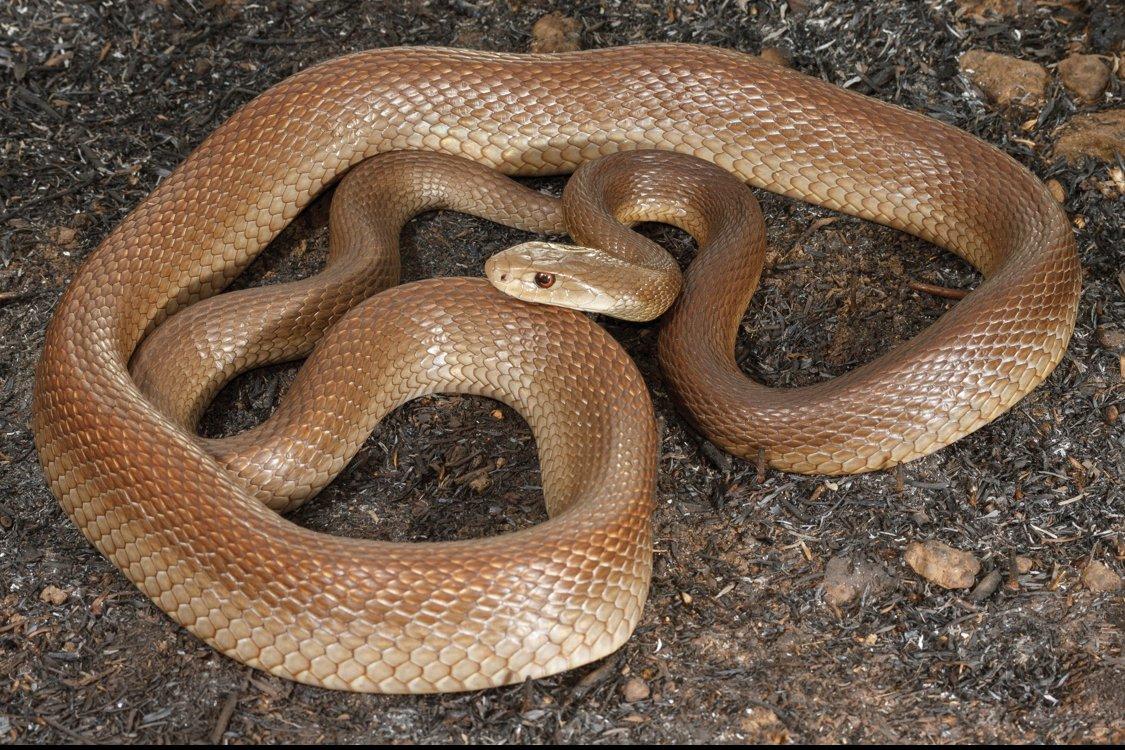
Coastal Taipan
The coastal taipan is another extremely venomous Australian snake. It is also found in parts of Papua New Guinea and is particularly associated with tropical and subtropical coastal environments.
Unlike the inland taipan, which inhabits remote dry regions, the coastal taipan can live in areas closer to human settlements.
Its venom contains powerful neurotoxins and other substances that interfere with normal bodily functions. A bite can cause serious neurological complications, bleeding disorders and muscle damage.
The coastal taipan is generally alert and capable of defending itself when threatened. Its speed and ability to deliver a substantial quantity of venom make it a snake that should never be approached.
Historically, coastal taipan bites were extremely dangerous before modern antivenom treatment became available.
4. Russell’s Viper – One of Asia’s Deadliest Snakes
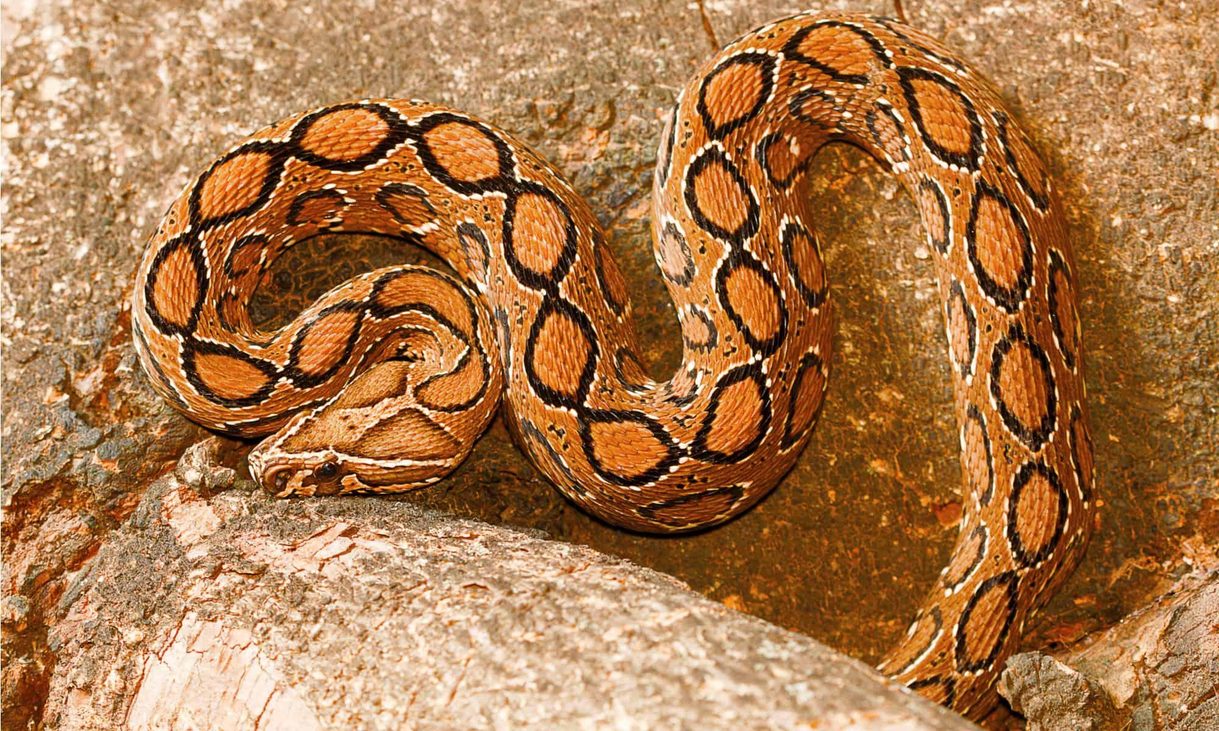
Russel’s Viper
Russell’s viper is among the most medically important venomous snakes in South Asia. It is found in countries including India, Sri Lanka, Bangladesh, Nepal and Pakistan.
Unlike some highly venomous snakes that inhabit remote wilderness areas, Russell’s viper frequently lives in agricultural environments.
This brings it into contact with farmers, agricultural workers and people living in rural communities.
Its venom can interfere with the body’s ability to control bleeding. Victims may experience severe pain, swelling, internal bleeding, shock and acute kidney injury.
One of the most dangerous characteristics of Russell’s viper bites is that complications can continue developing after the initial encounter.
Without prompt medical attention, severe poisoning can become fatal.
5. Saw-Scaled Viper – A Small Snake With a Deadly Reputation
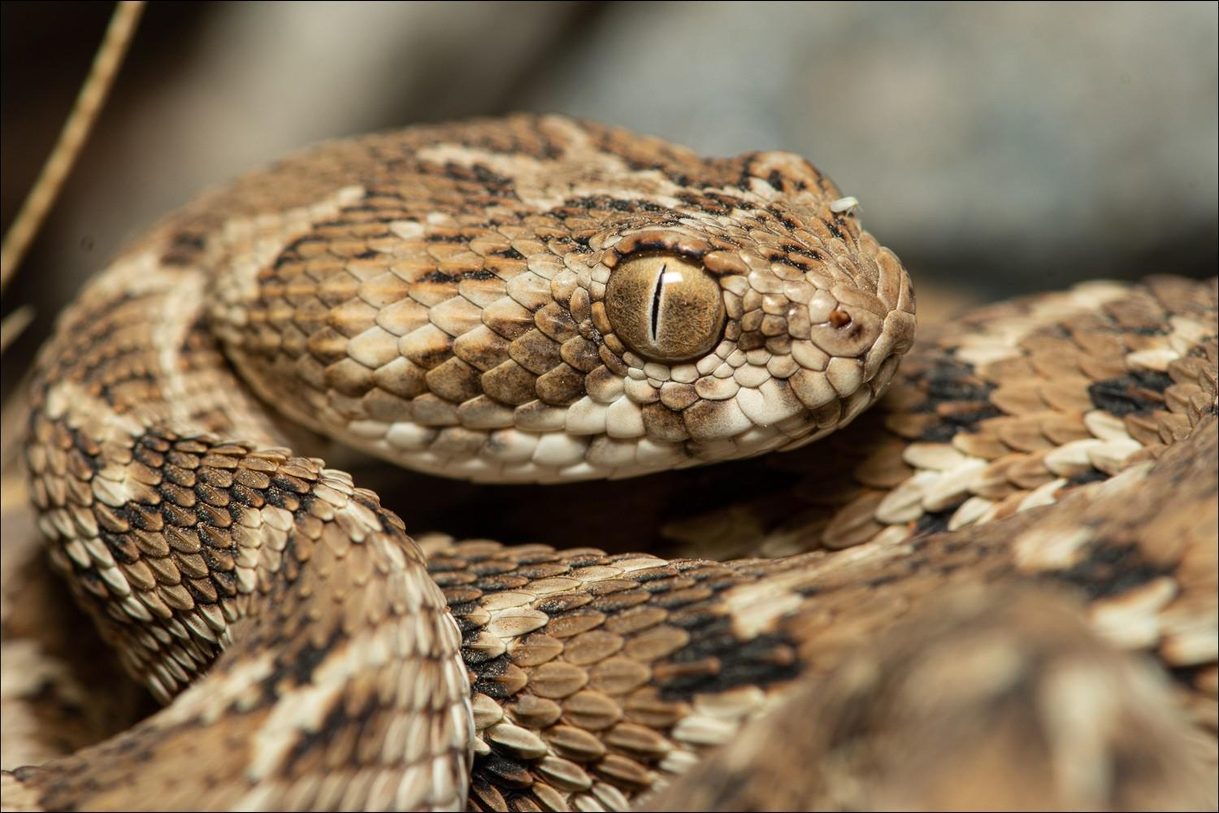
Saw-Scaled Viper
The saw-scaled viper may be relatively small compared with other dangerous snakes, but its medical significance is enormous.
It is found across parts of Africa, the Middle East and South Asia. Its name comes from the rough, saw-like scales along its body, which produce a distinctive hissing sound when rubbed together.
This snake is particularly dangerous because it can be difficult to notice in dry grass, rocky environments and sandy surroundings.
Its venom can cause serious disturbances in blood clotting, potentially leading to severe internal bleeding, organ damage and death.
The saw-scaled viper is associated with a substantial number of snakebite incidents in certain parts of its range. Its proximity to human settlements and agricultural communities makes encounters particularly concerning.
6. Common Krait – The Silent Killer of South Asia
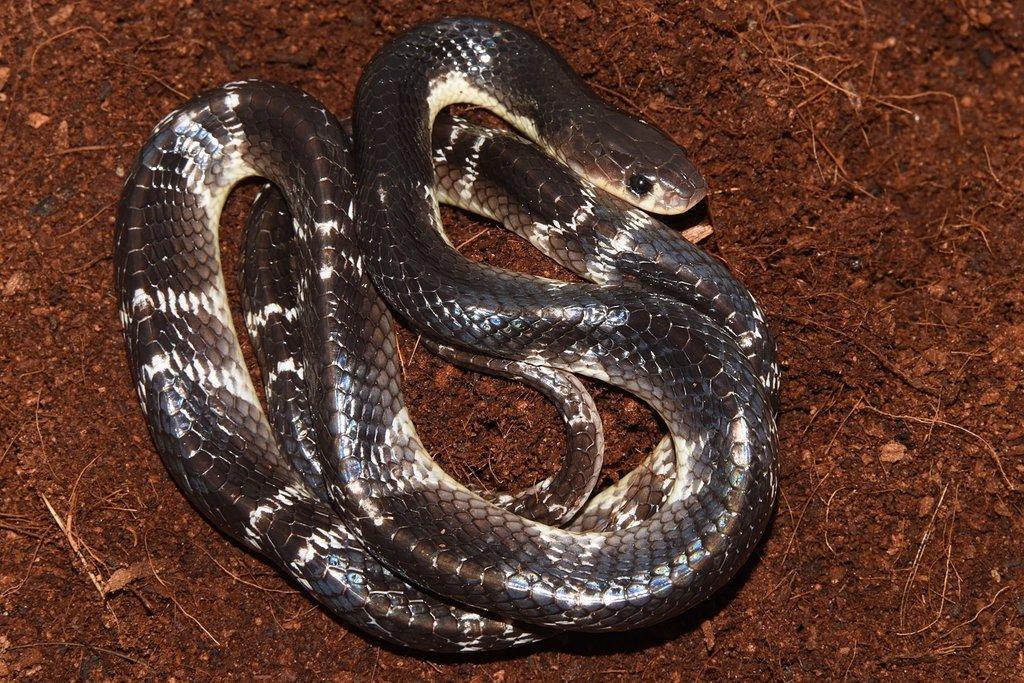
Common Krait
The common krait is one of the most dangerous snakes found in India and neighbouring countries. It is easily recognised by its shiny black or bluish body marked with narrow white bands.
Unlike snakes that are commonly encountered during the day, the common krait is primarily nocturnal. It frequently becomes active at night, sometimes entering houses in search of food or shelter.
Its venom contains powerful neurotoxins that interfere with communication between nerves and muscles. A bite can cause progressive paralysis, including the loss of the ability to breathe normally.
One particularly concerning aspect of common krait bites is that the initial symptoms may be relatively mild. Some victims may not immediately realise how serious the poisoning is.
As the venom takes effect, however, the condition can deteriorate rapidly. Without emergency medical care and appropriate antivenom, severe bites can be fatal.
7. Eastern Brown Snake – Australia’s Dangerous Neighbour
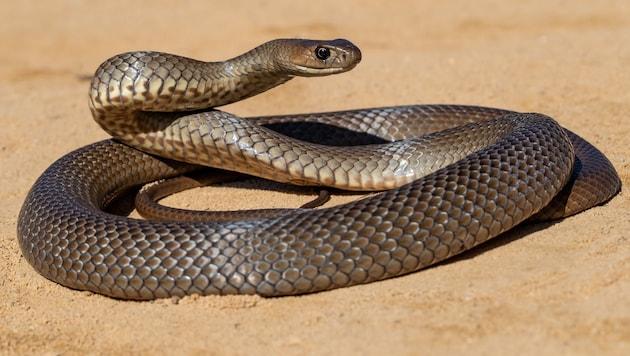
Eastern Brown Snake
The eastern brown snake is regarded as one of the world’s most venomous land snakes and is responsible for a significant proportion of Australia’s snakebite fatalities.
It is commonly found in eastern and central Australia, including grasslands, agricultural areas, open woodlands and locations close to human settlements.
Its colour varies from light brown to dark brown, making it difficult to identify in certain environments.
The eastern brown snake possesses venom that affects blood clotting and can cause cardiovascular complications. Victims may experience serious bleeding disorders, collapse and potentially fatal complications.
Although it generally avoids confrontation, it can become defensive when approached or accidentally disturbed.
Its ability to inhabit areas where people live and work increases the likelihood of dangerous encounters.
8. Fer-de-Lance – The Dangerous Pit Viper of Central America
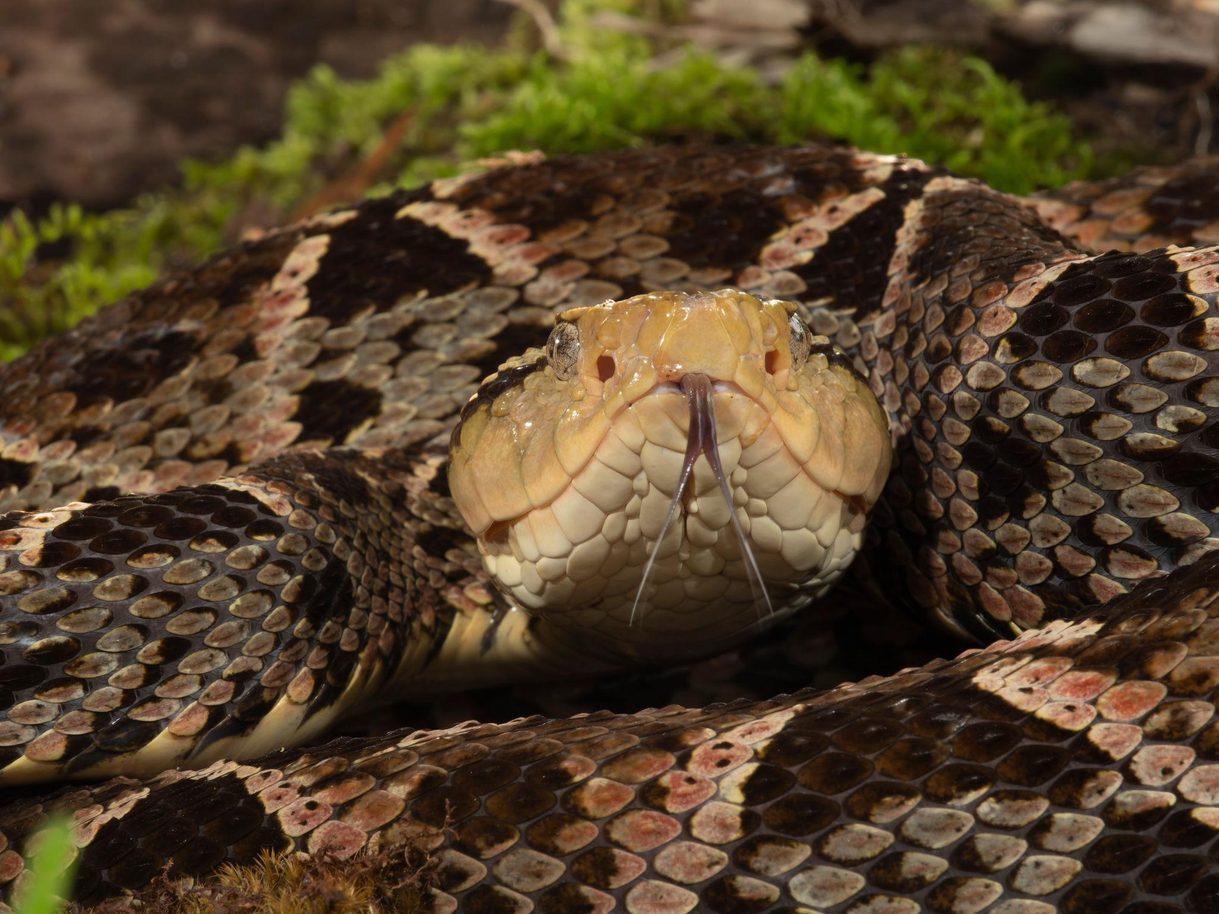
Fer de Lance
The fer-de-lance is one of the most medically significant venomous snakes in Central and northern South America.
Scientifically known as Bothrops asper, it is particularly associated with countries such as Costa Rica, Panama, Nicaragua and parts of Colombia.
This snake is known for its powerful venom, which can cause severe tissue destruction, swelling, internal bleeding and damage to vital organs.
One of its most dangerous characteristics is its camouflage. Its brown and patterned body blends easily into fallen leaves, vegetation and forest surroundings.
People walking through forests, working on farms or clearing vegetation may accidentally approach one without noticing it.
A bite can result in serious medical complications, including permanent tissue damage. In severe cases, victims may require surgery or even amputation.
9. Tiger Snake – A Highly Venomous Australian Reptile
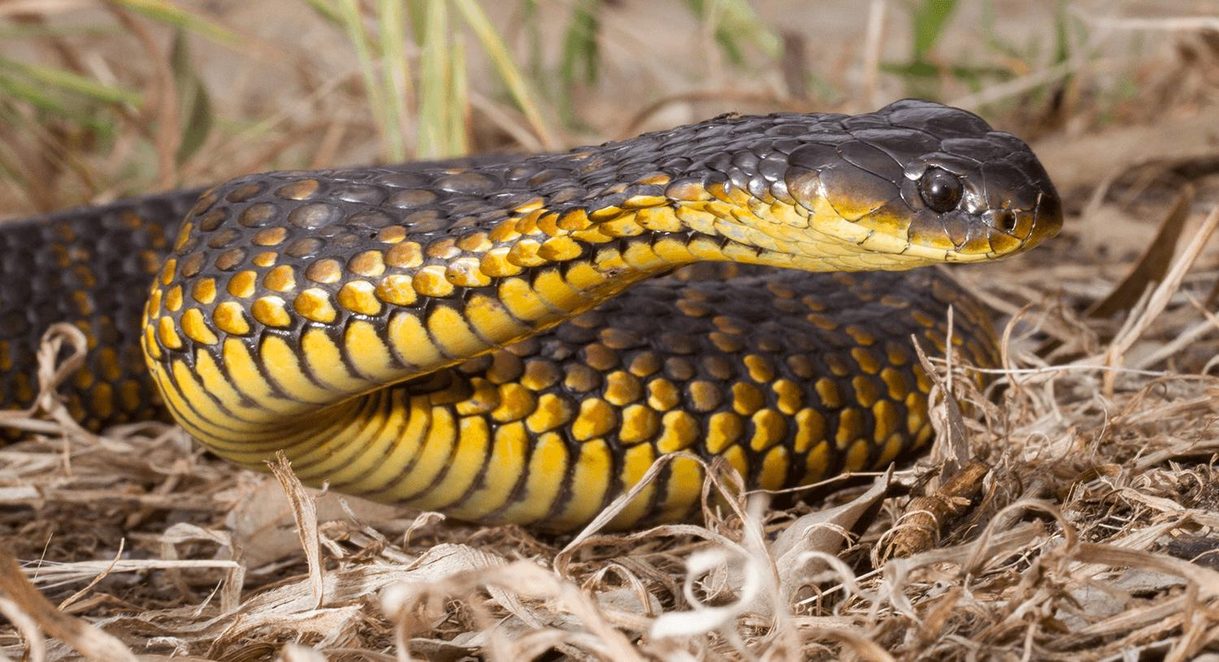
Tiger Snake
The tiger snake is another highly venomous reptile native to Australia. Its name comes from the dark bands that often appear across its body, although some individuals have very faint markings or no obvious stripes.
It is commonly found in southern Australia, including Tasmania and several coastal and wetland environments.
Tiger snakes possess venom containing neurotoxins, muscle-damaging compounds and substances that interfere with blood clotting.
A serious bite can cause paralysis, muscle damage, bleeding disorders and other life-threatening complications.
These snakes are particularly associated with wetlands, grasslands and areas around water. They may also be encountered near residential areas located close to suitable habitats.
Although tiger snakes usually avoid humans, they can become defensive if threatened or accidentally disturbed.
10. Boomslang – The African Snake That Can Cause Internal Bleeding
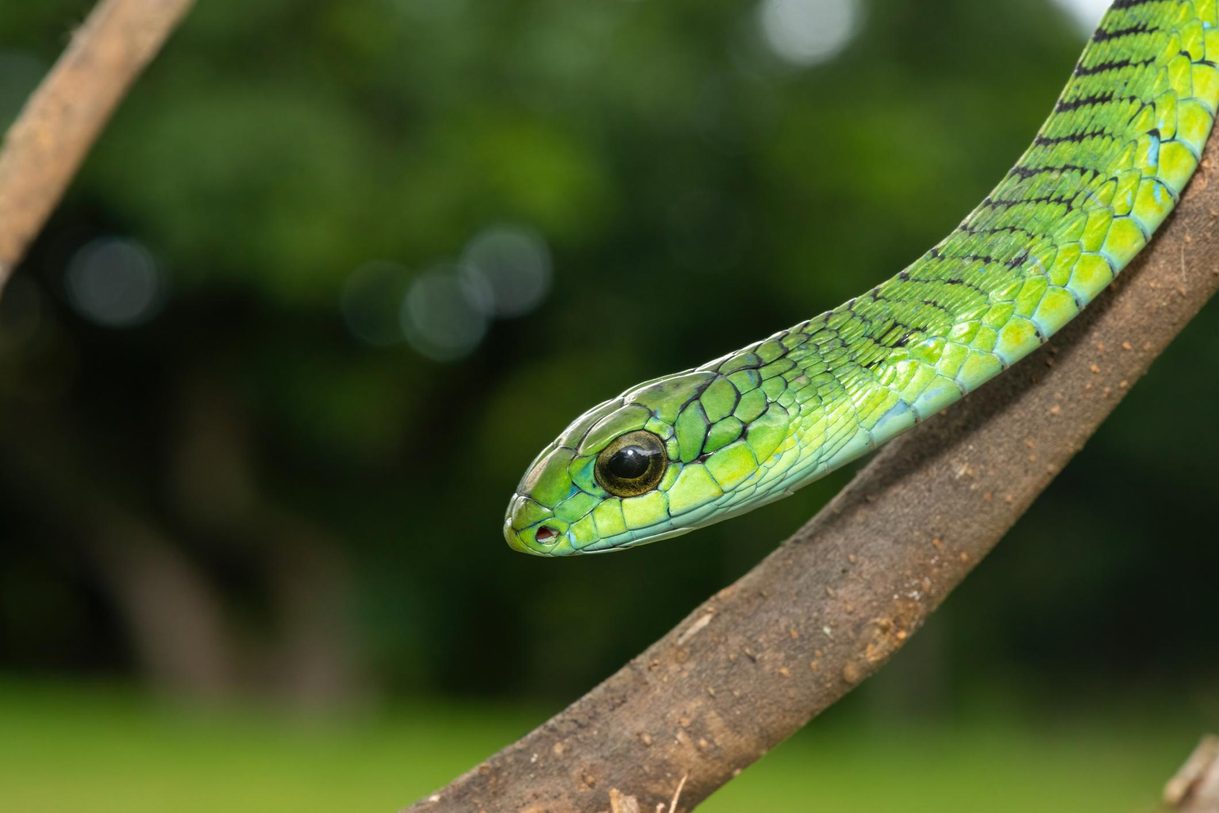
Boomslang
The boomslang is one of Africa’s most distinctive venomous snakes. It is found across sub-Saharan Africa and is particularly adapted to life in trees and bushes.
Its name comes from Afrikaans, meaning tree snake.
Unlike many other dangerous snakes, the boomslang possesses rear fangs. It can deliver venom through its bite, although the positioning of its fangs means it must bite in a way that allows them to engage.
Its venom is haemotoxic, meaning it interferes with the body’s ability to control bleeding.
Victims may develop internal bleeding, bleeding from the gums and other serious complications. Symptoms can sometimes take several hours to become apparent, creating a dangerous false sense of security.
The boomslang is generally shy and rarely bites humans unless handled or threatened.
Despite its relatively slender appearance, it should never be underestimated.
11. King Cobra – The World’s Longest Venomous Snake
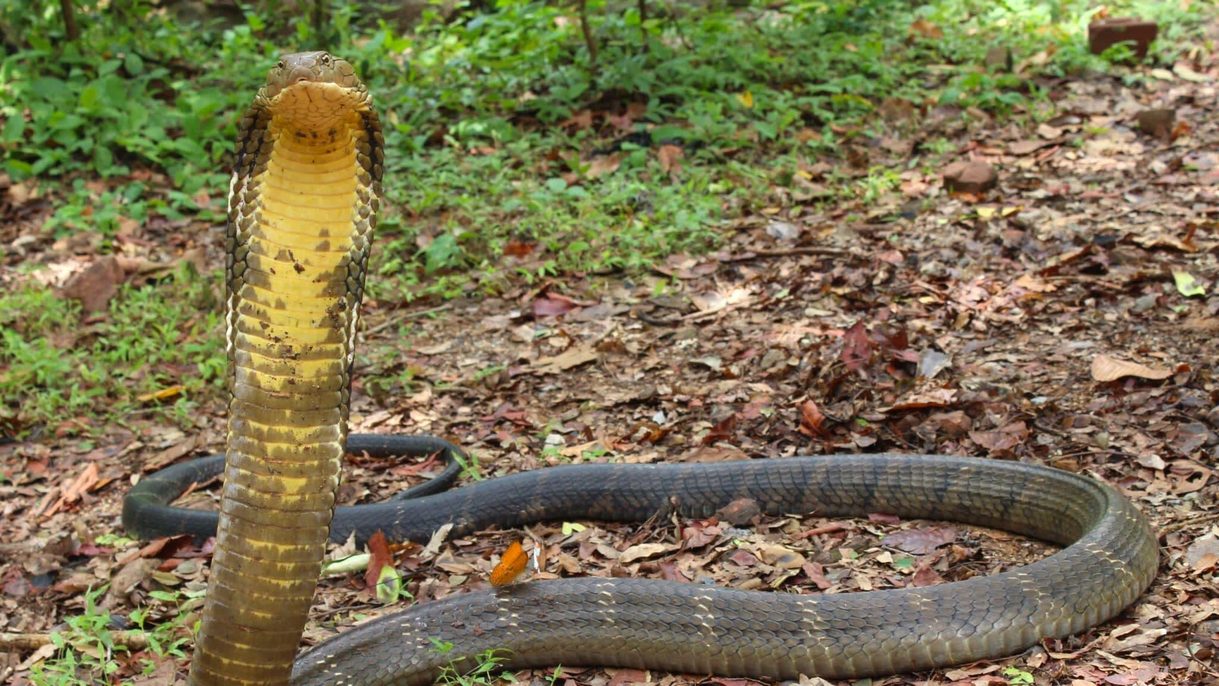
King Cobra
The king cobra is among the most recognisable and intimidating snakes in the world. It is native to South and Southeast Asia and is the longest venomous snake, with some individuals reaching approximately 5.5 metres.
Unlike many other cobras, the king cobra primarily feeds on other snakes. Its scientific name, Ophiophagus hannah, reflects this unusual feeding behaviour.
When threatened, it can raise a significant portion of its body, spread its hood and produce a loud defensive hiss.
Its venom contains powerful neurotoxins that interfere with the nervous system. A large bite can inject a substantial quantity of venom, potentially causing severe neurological complications and respiratory failure.
One of the king cobra’s most remarkable characteristics is its intelligence and complex behaviour compared with many other snake species.
Females also exhibit unusual parental behaviour by constructing nests for their eggs and guarding them until they hatch.
Despite its frightening appearance, the king cobra generally prefers avoiding humans.
12. Death Adder – Australia’s Ambush Predator
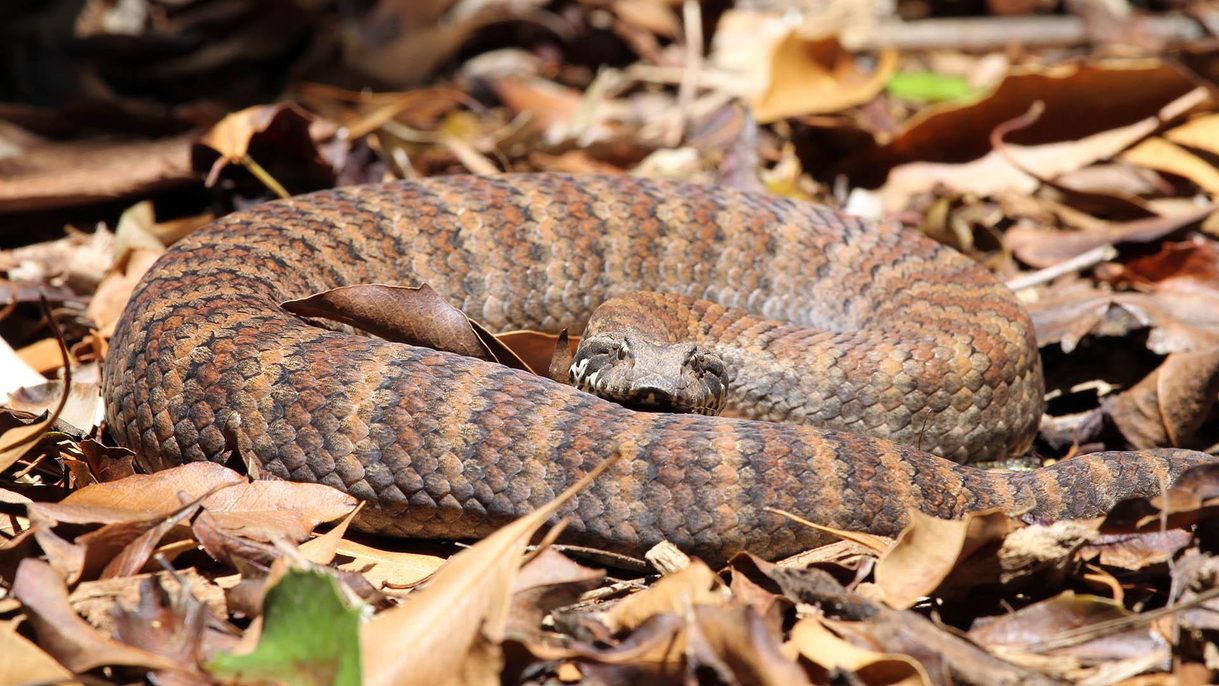
Death Adder
The death adder is a highly venomous Australian snake that uses camouflage and ambush tactics to capture prey.
Unlike snakes that actively pursue their victims, death adders often remain motionless while waiting for an animal to approach.
Their bodies are relatively short and thick, with triangular-shaped heads and distinctive markings that help them blend into their surroundings.
The snake also uses its tail as a lure, moving it to attract curious prey.
Its venom contains powerful neurotoxins capable of causing paralysis and respiratory failure.
Because death adders frequently remain hidden beneath leaves, vegetation and debris, people can accidentally step close to them.
A bite requires immediate medical attention, even when the victim initially feels well.
13. Gaboon Viper – The Snake With Exceptionally Long Fangs
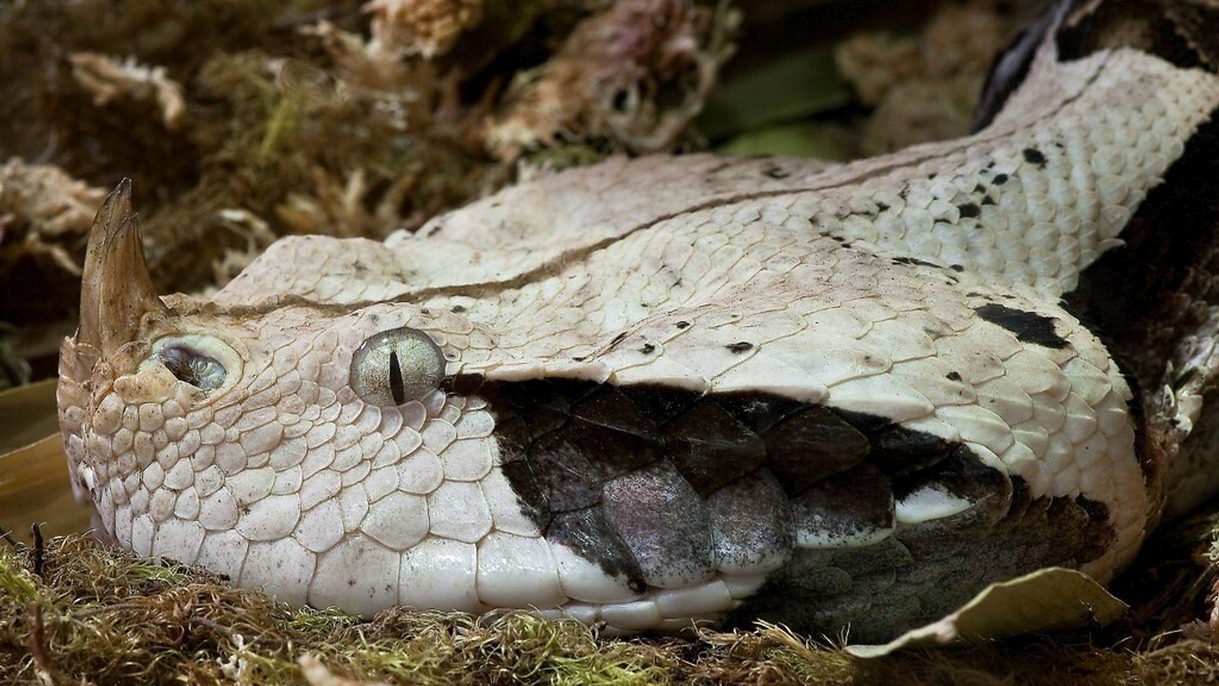
Gaboon Viper
The Gaboon viper is one of Africa’s most impressive and dangerous venomous snakes.
It is native to tropical regions of Central and parts of West and East Africa. It is particularly famous for having some of the longest fangs of any venomous snake, reaching approximately five centimetres.
Its body is covered with beautiful geometric patterns that provide extraordinary camouflage on the forest floor.
The Gaboon viper is an ambush predator. Rather than actively chasing prey, it remains hidden and waits for an animal to come within striking distance.
Its venom can cause severe pain, swelling, tissue destruction and blood-clotting abnormalities.
Another reason it is dangerous is its ability to inject a large volume of venom during a bite.
Although it is generally not aggressive, accidentally disturbing one can have serious consequences.
14. Mozambique Spitting Cobra – The Snake That Can Attack From a Distance
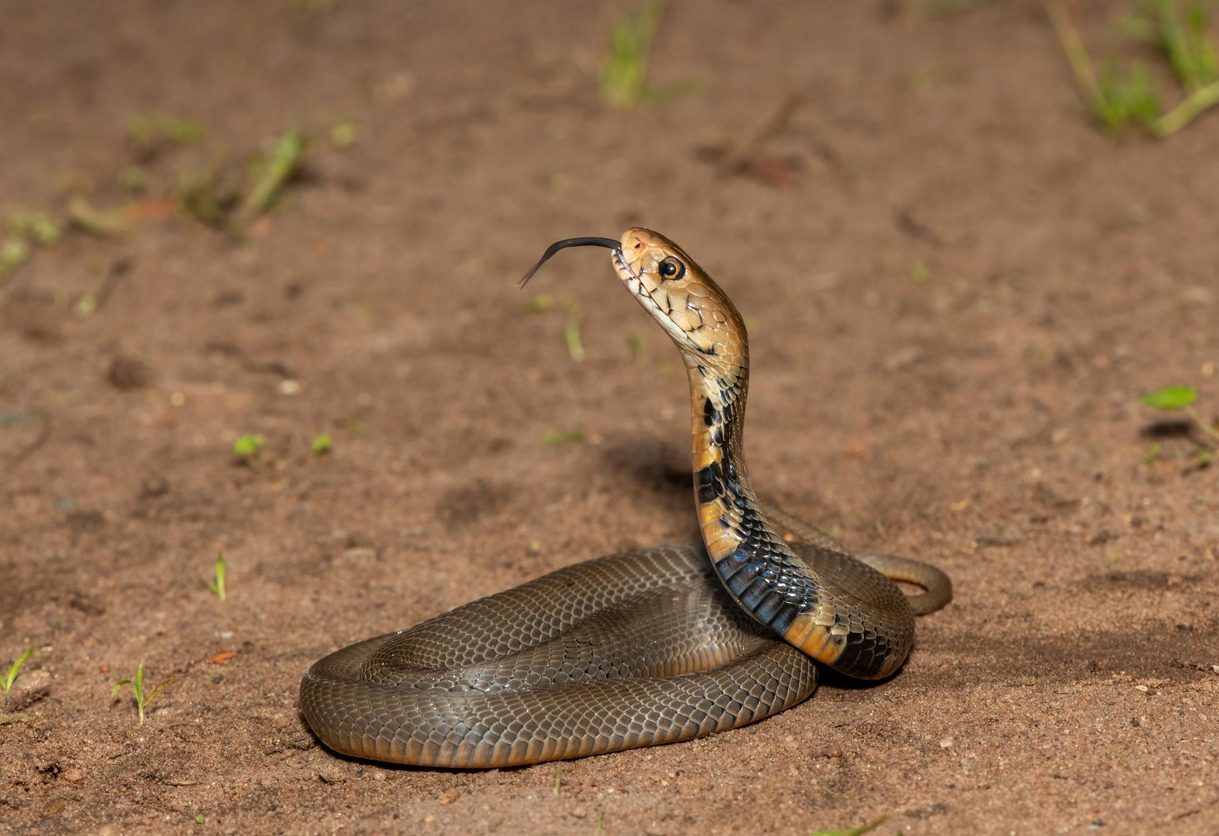
Mozambique Spitting Cobra
The Mozambique spitting cobra is one of Africa’s most dangerous cobras because of its unusual defensive ability.
Found across parts of eastern and southern Africa, including Mozambique, Tanzania, Zimbabwe and South Africa, this snake can project venom towards the face of a perceived threat.
It typically aims for the eyes, where the venom can cause intense pain, inflammation and potentially serious eye injuries.
Immediate and prolonged rinsing of the eyes with clean water is important after exposure, followed by urgent medical assessment.
Its bite is also dangerous. Unlike some other cobras whose venom primarily affects the nervous system, the Mozambique spitting cobra can cause significant local tissue damage.
Severe bites may result in extensive swelling, blistering and tissue destruction.
The snake usually spits venom as a defensive response when it feels threatened rather than as a way of hunting prey.
15. Many-Banded Krait – A Highly Venomous Asian Snake
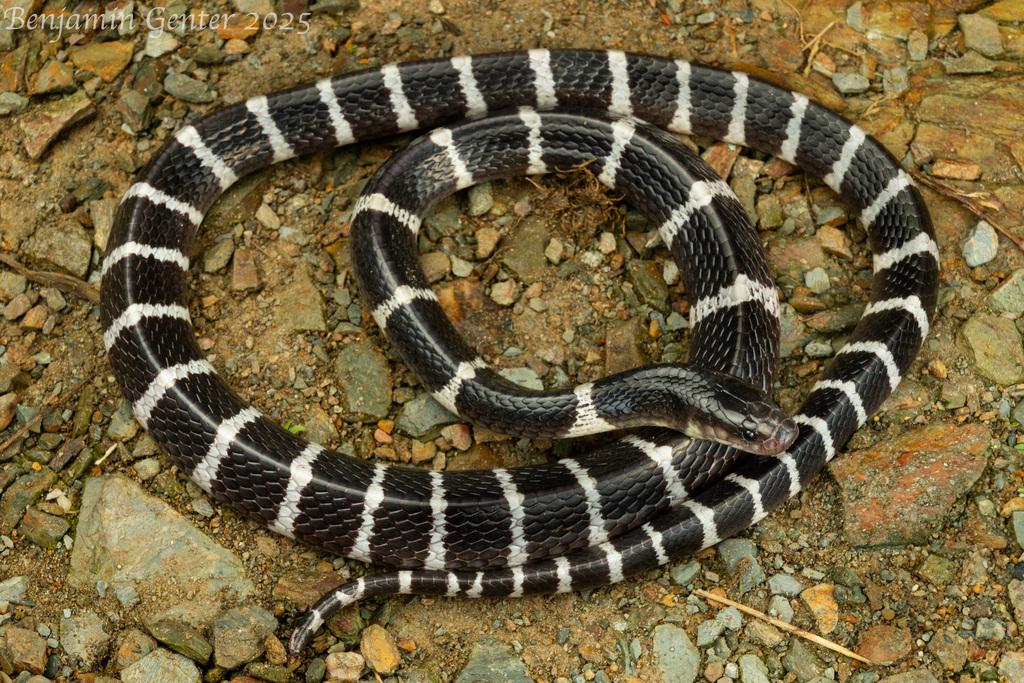
Many-banded Krait
The many-banded krait is a highly venomous snake found in parts of China and Southeast Asia.
It is easily identified by its alternating black and white bands, which give it a distinctive appearance.
The snake is primarily nocturnal and often inhabits areas close to water, wetlands and agricultural environments.
Its venom contains extremely powerful neurotoxins that interfere with nerve signals controlling muscle movement.
A bite can lead to progressive paralysis, difficulty swallowing and respiratory failure.
One of the greatest dangers associated with this snake is that victims may initially experience limited symptoms before developing severe neurological complications.
Immediate hospital treatment is essential following a suspected bite.
Why Are Some Snakes More Dangerous Than Others?
Not all venomous snakes present the same level of danger to humans. A snake’s threat depends on several factors, including venom composition, the amount injected, its behaviour and how frequently people encounter it.
Here are some of the major factors that determine how dangerous a snake can be.
1. Venom potency
Some snakes produce venom containing extremely powerful toxins. Neurotoxins can interfere with nerve signals, while haemotoxins affect blood clotting and may cause internal bleeding.
2. Amount of venom injected
A snake’s danger is not determined by venom toxicity alone. Some species can inject large quantities of venom during a single bite, potentially causing severe poisoning.
3. Behaviour and temperament
Some snakes are naturally defensive and may bite when approached, stepped on or handled. Others generally avoid humans unless they feel threatened.
4. Camouflage
Snakes that blend into their surroundings can be difficult to identify. People may accidentally step on them while walking through grass, forests or agricultural fields.
5. Access to medical treatment
A snakebite that might be treatable with prompt medical attention can become fatal when treatment is delayed. Access to suitable antivenom, emergency care and respiratory support can make a significant difference.
Which Snake Kills the Most People?
An interesting distinction exists between the world’s most venomous snakes and those responsible for the greatest number of human deaths.
The inland taipan is widely regarded as the most venomous land snake based on laboratory venom-toxicity measurements. However, it is rarely encountered by humans.
Meanwhile, vipers such as Russell’s viper and the saw-scaled viper are responsible for substantial numbers of serious snakebite incidents in parts of Asia.
The saw-scaled viper is particularly concerning because it inhabits environments where people frequently work and live.
Globally, the World Health Organization estimates that approximately 5.4 million people are bitten by snakes annually. Between 81,000 and 138,000 people die from snakebite envenoming each year, with many survivors experiencing permanent disabilities.
This makes snakebite a significant public health problem, particularly in tropical and rural communities.
Are There Dangerous Snakes in Kenya?
Kenya is home to several venomous snake species, some of which can cause life-threatening injuries.
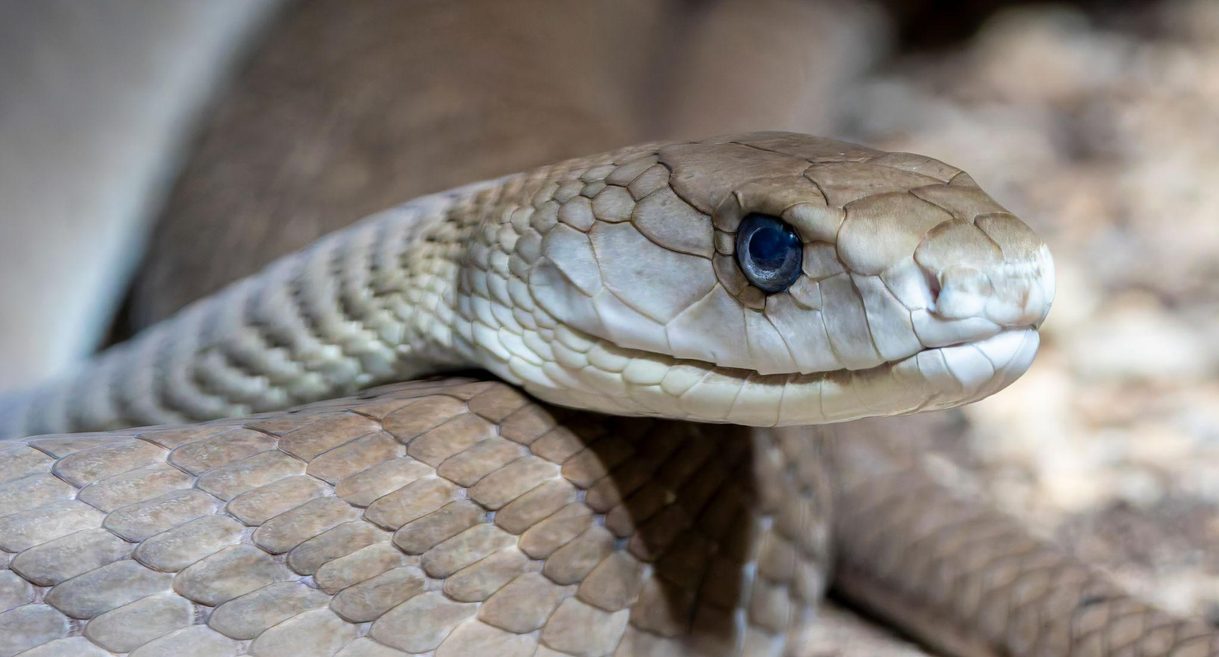
Close-up view of a Black Mamba
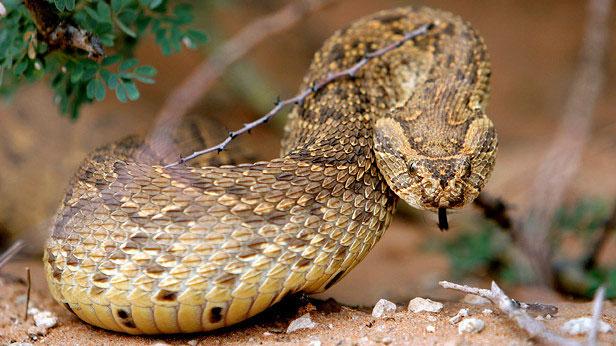
Serpenti letali in Kenya
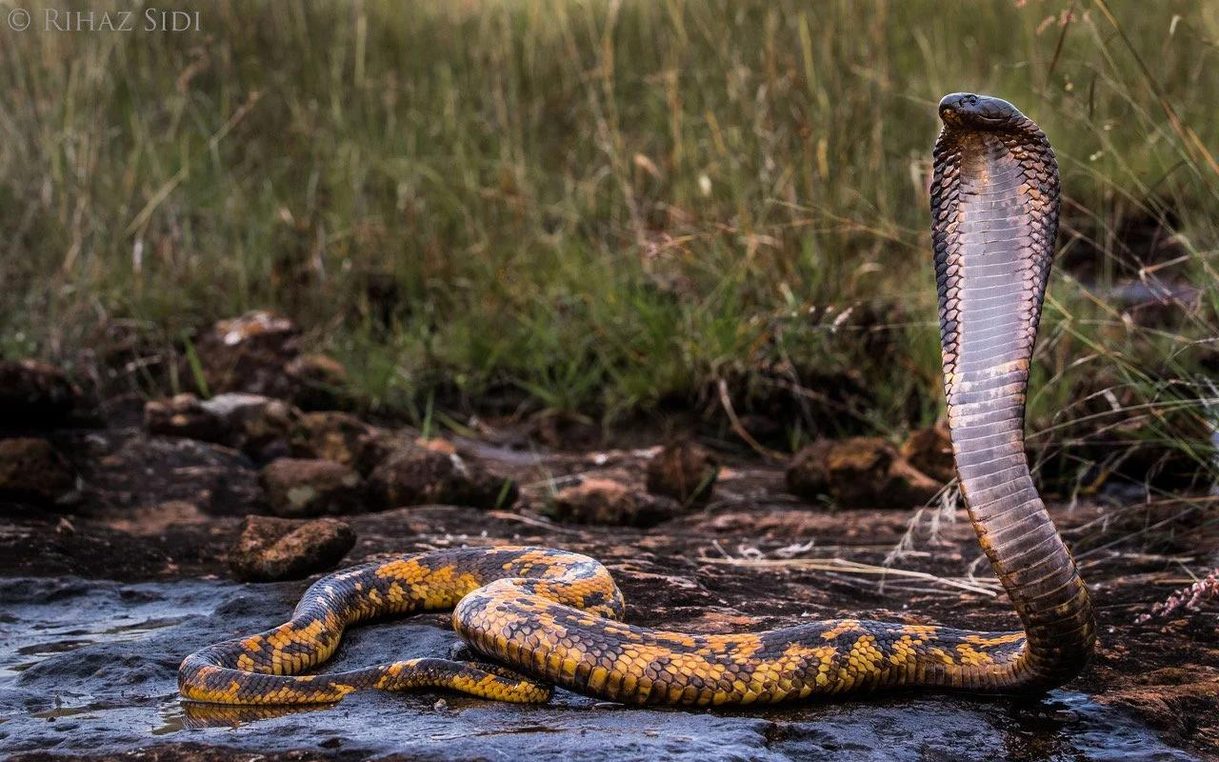
Watamu Snake Farm
Some of the snakes people should be particularly aware of include:
- Black mamba: Found in various parts of Kenya and capable of delivering highly dangerous neurotoxic bites.
- Puff adder: A widespread African viper that relies on camouflage and can cause severe tissue damage and bleeding disorders.
- Egyptian cobra: A highly venomous cobra found in parts of Africa, including Kenya.
- Boomslang: An African tree-dwelling snake whose venom can cause severe internal bleeding.
- Forest cobra: A large, highly venomous African cobra found in suitable forest habitats.
People living in rural areas, working on farms or walking through bushland should remain cautious.
Keeping compounds clean, clearing overgrown vegetation and avoiding unnecessary handling of snakes can reduce the risk of dangerous encounters.
What Happens When a Venomous Snake Bites a Human?
The effects of a snakebite depend on the species involved and the type and quantity of venom injected.
Some victims experience immediate pain and swelling, while others may initially show very few symptoms.
Venom can affect the human body in several ways:
- Neurotoxic effects: Damage communication between nerves and muscles, potentially causing paralysis and breathing difficulties.
- Haemotoxic effects: Interfere with blood clotting and cause internal or external bleeding.
- Cytotoxic effects: Destroy cells and tissues around the bite area.
- Myotoxic effects: Damage muscles and, in severe cases, affect kidney function.
Without appropriate treatment, serious snake envenoming can result in permanent disability or death.
This is why suspected venomous snakebites should always be treated as medical emergencies.
The world’s most dangerous snakes demonstrate just how powerful and adaptable nature can be. From Australia’s extraordinarily venomous inland taipan to Africa’s feared black mamba and Asia’s deadly kraits, these reptiles possess remarkable biological weapons that make them dangerous when humans encounter them.
However, it is important to understand that most snakes do not actively hunt humans. Many bites happen when people accidentally disturb snakes, attempt to kill them or handle them without proper knowledge.
Snakes also perform an important ecological function by controlling rodents and other small animals. Killing them indiscriminately can disrupt the natural environment.
The best protection is awareness, prevention and respect for wildlife.
If you encounter a snake, keep your distance, avoid provoking it and allow trained wildlife handlers to deal with the situation.
A beautiful snake may be fascinating to observe, but when it comes to highly venomous species, keeping your distance could save your life.
SUGGESTED READS
- Inside the Supreme Court: The Invisible Power That Decides Nations, Rights, and the Fate of Justice
- From Tribal Tongue to Global Power: The Untold Story of How English Took Over the World
- What an Egg Does for Hair: A Comprehensive Professional Guide Backed by Science, Practice, and Real-World Results
- THE BIRTH OF THE AK-47: A STORY OF WAR, WOUNDS, AND ONE MAN’S OBSESSION
- Why the Pacific Ocean and the Atlantic Ocean Seem Not to Mix: The Science, the History, and the Myth
- The Ocean’s Role in Climate Change: A Vital Regulator Under Threat
- The Invention of the Telephone
- The Evolution of Schools: Who Invented School?

Support Our Website!
We appreciate your visit and hope you find our content valuable. If you’d like to support us further, please consider contributing through the TILL NUMBER: 9549825. Your support helps us keep delivering great content!
If you’d like to support Nabado from outside Kenya, we invite you to send your contributions through trusted third-party services such as Remitly, western union, SendWave, or WorldRemit. These platforms are reliable and convenient for international money transfers.
Please use the following details when sending your support:
Phone Number: +254701838999
Recipient Name: Peterson Getuma Okemwa
We sincerely appreciate your generosity and support. Thank you for being part of this journey!