

simply amazing, always for you.
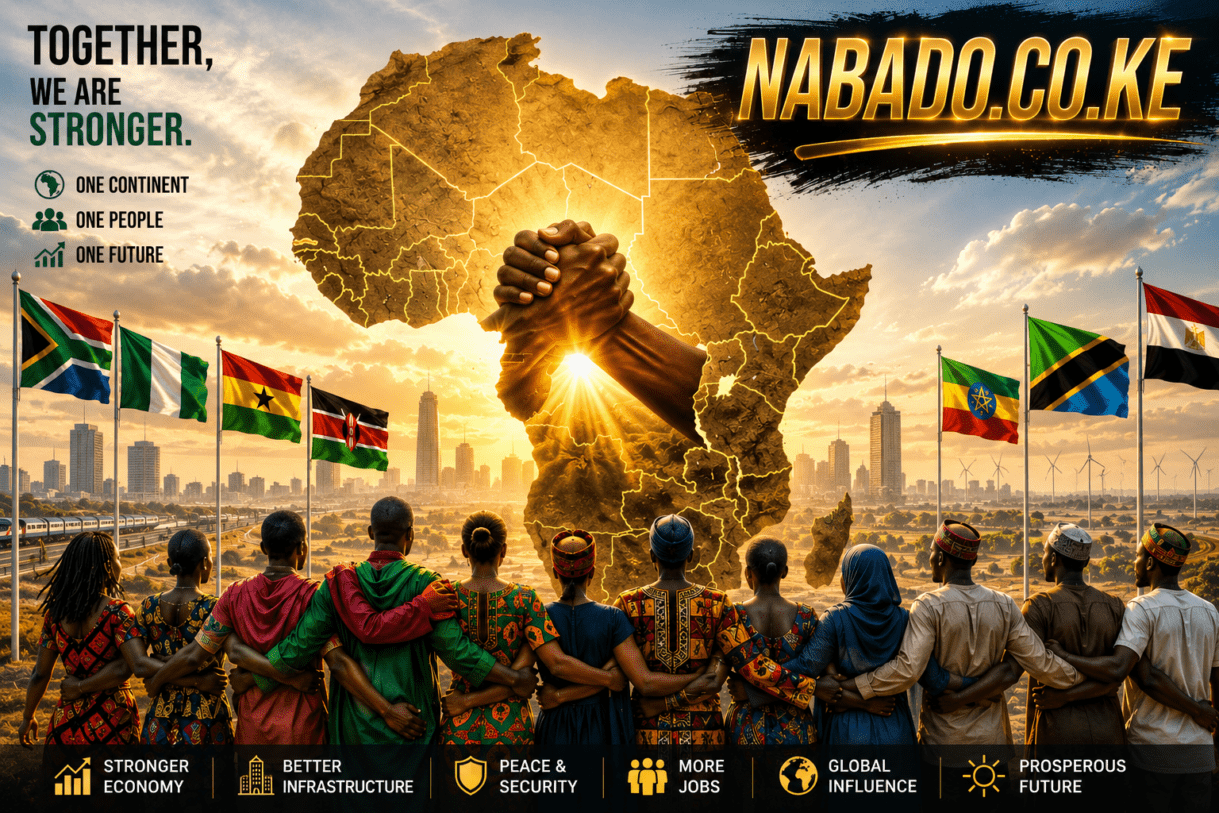
Africa is a continent unlike any other. It is blessed with immense natural resources, diverse cultures, rich histories, breathtaking landscapes, and one of the youngest populations in the world. From the deserts of North Africa to the rainforests of Central Africa, from the economic hubs of East Africa to the mineral-rich regions of Southern Africa, the continent possesses enormous potential.
Yet despite these advantages, many African nations continue to face significant challenges. Poverty, unemployment, political instability, inadequate infrastructure, trade barriers, and dependence on foreign aid remain obstacles to development. While individual countries have made progress in various sectors, many experts believe that Africa’s true potential can only be fully realized through greater unity and cooperation.
The idea of African unity is not new. For decades, visionary leaders such as Kwame Nkrumah, Julius Nyerere, Patrice Lumumba, and others advocated for a united Africa. They believed that colonial borders had fragmented the continent and weakened its ability to compete globally. Their dream was a continent where African nations worked together economically, politically, and socially for the benefit of all Africans.
Today, that dream remains relevant. As globalization continues to reshape the world economy, African countries have a unique opportunity to strengthen their position by deepening cooperation and integration.
This article explores why African countries should unite and how greater unity could transform the continent’s future.
Understanding African Unity
African unity does not necessarily mean creating one giant country. Rather, it refers to increased cooperation among African nations in areas such as:
- Trade
- Security
- Infrastructure
- Education
- Healthcare
- Technology
- Diplomacy
- Environmental protection
Unity means working together to achieve common goals while respecting the sovereignty and cultural diversity of each nation.
The concept is often associated with Pan-Africanism, a movement that promotes solidarity among people of African descent and encourages cooperation among African countries.
The Economic Benefits of African Unity
Creating One Massive Market
One of the strongest arguments for African unity is economic growth.
Africa’s population is expected to exceed 2.5 billion people by 2050. If African countries integrate their economies more effectively, they could create one of the world’s largest consumer markets.
Currently, trade between African countries remains relatively low compared to other regions. Many African nations trade more with Europe, Asia, and North America than with their neighbors.
A united Africa could:
- Increase trade among African nations
- Reduce tariffs and trade restrictions
- Encourage investment
- Create jobs
- Strengthen local industries
When businesses gain access to larger markets, they can expand production, lower costs, and become more competitive globally.
Encouraging Industrialization
For decades, many African countries have exported raw materials while importing finished products.
For example:
- Cocoa may be exported and turned into chocolate abroad.
- Cotton may be exported and returned as finished clothing.
- Minerals may be exported and processed elsewhere.
This model limits economic growth and job creation.
Greater unity could encourage regional manufacturing industries where African countries process their own resources before exporting them.
Industrialization would:
- Create millions of jobs
- Increase government revenues
- Improve living standards
- Reduce dependence on imports
Stronger Global Influence
Speaking With One Voice
Individually, many African countries have limited influence in international negotiations.
Together, however, Africa represents:
- More than 1.4 billion people
- Vast natural resources
- Significant voting power in international organizations
- One of the world’s largest emerging markets
A united Africa could negotiate stronger trade agreements, secure better investment deals, and advocate more effectively for its interests.
Whether discussing climate change, global trade, debt relief, or international security, a coordinated African position would carry greater weight.
Challenging Unfair Global Systems
Many African leaders argue that current global economic systems often disadvantage developing nations.
By acting collectively, African countries can push for reforms that promote:
- Fair trade
- Better financing terms
- Greater representation in global institutions
- More equitable access to technology and investment
Unity would make it harder for external powers to exploit divisions among African nations.
Improved Security Across the Continent
Fighting Terrorism and Extremism
Several regions of Africa face security threats from terrorist organizations and extremist groups.
These threats often cross national borders, making them difficult for any single country to combat alone.
Greater cooperation would allow African nations to:
- Share intelligence
- Conduct joint military operations
- Coordinate border security
- Track criminal networks
A united approach would strengthen the continent’s ability to respond to security challenges.
Reducing Conflicts
Conflicts between neighboring countries can slow development and discourage investment.
African unity encourages dialogue, diplomacy, and peaceful dispute resolution.
When countries cooperate closely, they are less likely to engage in conflict and more likely to find mutually beneficial solutions.
Peace and stability are essential foundations for long-term economic growth.
Better Infrastructure Development
Connecting Africa
Infrastructure remains one of Africa’s biggest development challenges.
Many regions lack:
- Modern highways
- Efficient railways
- Reliable electricity
- Quality ports
- Digital connectivity
These deficiencies increase business costs and slow economic activity.
A united Africa could coordinate large-scale infrastructure projects that connect countries and regions.
Examples include:
- Cross-border highways
- Regional railway systems
- Shared energy grids
- Telecommunications networks
Improved infrastructure would make it easier for people, goods, and services to move across borders.
Lowering Transportation Costs
Transporting goods within Africa is often expensive and time-consuming.
Better connectivity would reduce costs and improve efficiency.
This would benefit businesses, consumers, and governments alike.
Creating More Jobs for Young People
Harnessing Africa’s Youth Population
Africa has the youngest population in the world.
Every year, millions of young Africans enter the labor market seeking employment opportunities.
Unfortunately, job creation has not always kept pace with population growth.
Greater economic integration could help create jobs through:
- Manufacturing
- Technology
- Agriculture
- Tourism
- Infrastructure development
A larger integrated market encourages investment and business expansion, which in turn generates employment.
Promoting Entrepreneurship
Young entrepreneurs often face challenges such as limited access to markets and funding.
African unity can help by:
- Expanding customer bases
- Simplifying cross-border trade
- Encouraging innovation
- Supporting regional business networks
Entrepreneurs thrive when barriers are removed and opportunities increase.
Reducing Dependence on Foreign Aid
Building Self-Sufficiency
Many African countries receive significant foreign aid.
While aid can be valuable during crises, long-term development requires sustainable economic growth.
A united Africa can reduce dependence on external assistance by:
- Increasing trade
- Strengthening industries
- Improving tax revenues
- Developing local value chains
Self-reliance empowers nations to make decisions based on their own priorities rather than external interests.
Keeping Wealth Within Africa
Africa generates enormous wealth through natural resources.
However, much of that wealth leaves the continent through raw material exports and profit repatriation.
Greater cooperation can help ensure that more value is created and retained within Africa.
This would contribute to long-term prosperity and development.
Enhancing Education and Research
Sharing Knowledge
African countries can benefit enormously from educational cooperation.
Universities, research institutions, and training centers can collaborate to:
- Conduct joint research
- Exchange students
- Share expertise
- Develop innovative solutions
Knowledge sharing accelerates development and helps solve common challenges.
Building Skilled Workforces
Modern economies require skilled workers.
African unity can support:
- Regional education standards
- Professional certifications
- Vocational training programs
A highly skilled workforce attracts investment and drives innovation.
Strengthening Healthcare Systems
Learning From Shared Experiences
Health challenges do not respect national borders.
Outbreaks of infectious diseases can spread rapidly across regions.
African countries can improve health outcomes by:
- Sharing medical expertise
- Coordinating responses
- Investing in research
- Pooling resources
Collaboration increases preparedness and saves lives.
Expanding Medical Innovation
Joint investment in healthcare research can accelerate discoveries and improve access to treatments.
A united approach can strengthen pharmaceutical production and reduce reliance on imported medicines.
Advancing Technology and Innovation
Creating African Solutions
Technology is transforming the global economy.
African countries have already demonstrated remarkable innovation in areas such as:
- Mobile banking
- Digital payments
- Agricultural technology
- Renewable energy
Greater cooperation can accelerate technological progress.
By sharing expertise and resources, African nations can develop solutions tailored to local needs.
Building Digital Economies
Digital connectivity enables:
- E-commerce
- Online education
- Remote work
- Financial inclusion
A more integrated digital landscape would create new opportunities for businesses and consumers across the continent.
Promoting Cultural Exchange
Celebrating Diversity
Africa is home to thousands of ethnic groups, languages, and cultural traditions.
Unity does not require abandoning diversity.
Instead, it encourages mutual respect and appreciation.
Cultural exchanges help people learn from one another and strengthen continental solidarity.
Strengthening African Identity
Many Africans share historical experiences related to colonialism, independence struggles, and nation-building.
Greater unity can foster a stronger sense of shared identity and purpose.
A confident African identity can inspire future generations to work toward common goals.
Supporting Environmental Protection
Addressing Climate Change
Africa is particularly vulnerable to climate change despite contributing relatively little to global emissions.
Challenges include:
- Droughts
- Floods
- Desertification
- Food insecurity
These issues often affect multiple countries simultaneously.
A united approach allows nations to coordinate climate adaptation strategies and secure international support.
Protecting Natural Resources
Africa’s forests, wildlife, rivers, and ecosystems are invaluable assets.
Regional cooperation can improve conservation efforts and ensure sustainable resource management.
Protecting the environment supports tourism, agriculture, and long-term economic development.
The Role of Regional Integration
Existing Success Stories
Africa has already made progress toward greater integration.
Regional organizations have demonstrated that cooperation can produce meaningful results.
Examples include:
- Economic partnerships
- Shared infrastructure projects
- Peacekeeping initiatives
- Trade agreements
These successes show that deeper integration is both possible and beneficial.
The Future of Continental Cooperation
As transportation improves and digital technologies connect people more easily, opportunities for cooperation will continue to expand.
Future integration may include:
- Easier travel
- Expanded trade networks
- Joint investment projects
- Shared technological initiatives
Each step toward unity strengthens Africa’s collective future.
Challenges to African Unity
While the benefits are significant, achieving greater unity is not without challenges.
These include:
Political Differences
Countries have different political systems, priorities, and governance structures.
Finding common ground can sometimes be difficult.
Economic Disparities
Some countries are more economically developed than others.
Balancing interests requires careful planning and cooperation.
Historical Tensions
Past conflicts and disagreements can create obstacles to integration.
However, dialogue and diplomacy can help overcome these challenges.
Infrastructure Gaps
Limited transportation and communication networks can slow integration efforts.
Continued investment is necessary to address these issues.
Despite these challenges, the potential rewards of unity far outweigh the obstacles.
Why the Future Depends on Cooperation
The global economy is increasingly interconnected.
Large economic blocs often enjoy advantages in trade, investment, and influence.
African countries can achieve more together than they can separately.
By cooperating in strategic areas, they can:
- Accelerate growth
- Reduce poverty
- Improve living standards
- Strengthen security
- Increase global influence
The future will likely favor regions that embrace collaboration rather than isolation.
The case for African unity is stronger today than ever before. The continent possesses abundant resources, a rapidly growing population, extraordinary cultural diversity, and immense economic potential. Yet many challenges remain, from unemployment and poverty to infrastructure deficits and security concerns.
Greater unity offers a path toward addressing these challenges. Through economic integration, political cooperation, shared infrastructure, improved security, educational partnerships, and technological innovation, African nations can unlock opportunities that would be difficult to achieve individually.
Unity does not mean eliminating national identities or cultural differences. Instead, it means recognizing that cooperation can create a stronger, more prosperous future for everyone.
The dream of a united Africa is not merely an idealistic vision. It is a practical strategy for economic growth, social development, and global influence. As African nations continue to work together, they move closer to realizing a future where the continent’s vast potential becomes a reality.
The question is no longer whether African countries can benefit from unity. The evidence suggests they can. The real question is how quickly and effectively they can deepen their cooperation to build the Africa that generations of leaders and citizens have long envisioned—a strong, prosperous, and united continent capable of shaping its own destiny.
SUGGESTED READS
- Kenya at a Crossroads: Power, Youth, Economy, and the Fight for the Nation’s Future
- From Silence to Resistance: How Kenyans Are Reclaiming Their Voice
- How Economic Pressure Is Redefining Kenyan Families
- The New Kenyan Revolution Isn’t on the Streets — It’s on Your Phone
- The Untold Story of Youth Movements in Modern Kenya: How a Generation Is Quietly Rewriting Power
- Inside Kenya’s Protest Culture: Why Anger Keeps Exploding—and Why Hope Refuses to Die
- Voters Are Exhausted — Inside Kenya’s Rising Political Fatigue

Support Our Website!
We appreciate your visit and hope you find our content valuable. If you’d like to support us further, please consider contributing through the TILL NUMBER: 9549825. Your support helps us keep delivering great content!
If you’d like to support Nabado from outside Kenya, we invite you to send your contributions through trusted third-party services such as Remitly, western union, SendWave, or WorldRemit. These platforms are reliable and convenient for international money transfers.
Please use the following details when sending your support:
Phone Number: +254701838999
Recipient Name: Peterson Getuma Okemwa
We sincerely appreciate your generosity and support. Thank you for being part of this journey!