

We aint done yet… Expect another one.
For generations, wearing a bra and panties was considered a normal and almost unquestioned part of getting dressed. A woman was expected to put on underwear before leaving the bedroom, going to work, attending school or meeting friends. In many families and cultures, going without underwear was viewed as strange, inappropriate or even unhygienic.
But attitudes are changing.
Today, some women are choosing to go braless, skip underwear with certain outfits, or simply wear these garments less frequently than previous generations did. The change has sparked plenty of conversations online and offline, with people asking a simple question: Why don’t some women wear bras and panties nowadays?
The answer is more complicated than a fashion trend.
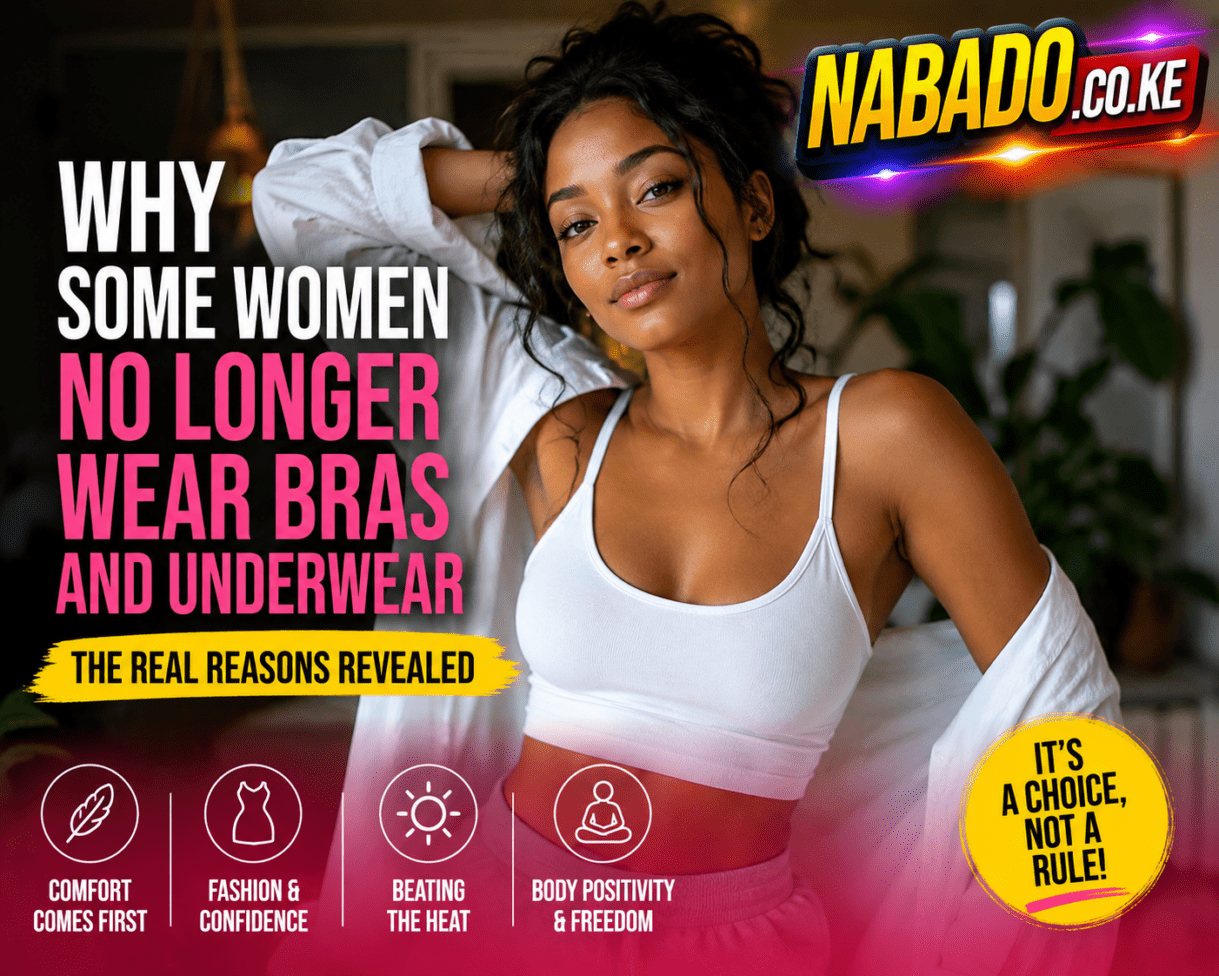
For some women, it is about comfort. For others, it is about clothing, body confidence, temperature, convenience or personal freedom. Some women wear bras every day, while others only wear them for exercise or particular occasions. Similarly, some women prefer wearing underwear all the time, while others occasionally choose to go without it.
There is no universal rule.
The modern conversation about women’s underwear is largely about personal choice. Women have increasingly challenged the idea that there is only one “correct” way to dress their bodies.
The Changing Attitude Toward Women’s Underwear
Underwear has always been influenced by culture.
What women wore underneath their clothes 100 years ago is very different from what women wear today. Bras themselves have changed dramatically over the decades, while underwear has evolved in terms of fabric, design, comfort and purpose.
In earlier generations, social expectations often played a major role in determining what women wore. A woman might wear a bra because she was expected to, regardless of whether she personally found it comfortable.
Today, those expectations are not as rigid in many parts of the world.
Social media, changing fashion trends, feminism, celebrity culture, sportswear and greater awareness of body autonomy have all contributed to a broader discussion about what women should and should not wear.
A woman can now say, “I don’t like wearing a bra,” without necessarily feeling that she has to defend the decision.
That doesn’t mean bras or panties have become unpopular. Far from it. Millions of women continue to wear them every day.
The difference is that choice has become more visible.
Why Do Some Women Stop Wearing Bras?
One of the biggest reasons is surprisingly simple: comfort.
A bra is designed to provide support, but the experience of wearing one varies considerably from person to person.
Some women find bras comfortable and useful. Others experience discomfort from tight bands, straps, underwires or poorly fitting cups.
A bra that doesn’t fit correctly can dig into the shoulders or rib cage. Straps can leave marks, while underwires can create pressure around the breasts.
After several hours, some women simply want to take the bra off.
For those women, going braless can feel liberating.
Comfort Comes First
Modern lifestyles have also changed how people think about clothing.
Someone working from home may have little reason to wear a structured bra all day. A woman relaxing at home may prefer a loose shirt without anything underneath.
The same applies when sleeping.
Some women prefer sleeping without a bra because they find it more comfortable and less restrictive. Others prefer a soft sleep bra or another form of support.
There is no single correct choice.
Bras Can Feel Uncomfortable in Hot Weather
Temperature is another factor.
In warm and humid environments, wearing multiple layers of clothing can become uncomfortable. A bra adds another layer of fabric around the torso, and certain synthetic materials may trap heat and moisture.
For women living in tropical climates, the difference can be particularly noticeable.
This doesn’t mean bras are unsuitable for hot weather. Many modern bras are specifically designed with breathable fabrics. However, some women simply prefer having less clothing against their skin.
Fashion Has Changed
Fashion has probably played one of the biggest roles in normalizing the braless look.
Certain tops, dresses and casual outfits are designed to be worn without visible underwear. Some women deliberately choose clothing that works comfortably without a bra.
Oversized shirts, loose dresses, sweaters and layered outfits can make going braless easier.
At the same time, visible bra straps have become less controversial in some fashion environments.
What was once considered embarrassing may now simply be viewed as another clothing detail.
Body Confidence
For some women, going braless is also connected to body confidence.
Breasts naturally have different shapes and sizes. They do not all look like the carefully edited images frequently seen in advertising, movies or social media.
Some women have become more comfortable allowing their bodies to look natural.
Going braless can therefore become less about attracting attention and more about rejecting the idea that a woman’s body must always be shaped or concealed in a particular way.
Why Do Some Women Not Wear Panties?
The reasons for skipping underwear are somewhat different.
For some women, the decision is primarily about comfort.
Underwear can sometimes feel tight, especially when worn underneath fitted clothing. Elastic edges may rub against the skin, and certain fabrics may become uncomfortable during long periods of sitting, walking or exercising.
Some women therefore choose to go without underwear when they feel it is more comfortable.
Avoiding Visible Panty Lines
Fashion is another major reason.
Tight dresses, leggings, skirts and certain trousers can reveal the outline of underwear.
This is commonly known as a visible panty line, or VPL.
Some women don’t mind it. Others prefer a smooth appearance underneath their clothes.
There are several ways to achieve that look, including seamless underwear, thongs, specialized shapewear or simply wearing no underwear at all.
For some women, going without panties is therefore not a statement about sexuality or rebellion. It is simply a clothing decision.
Is Going Without Underwear Unhygienic?
This is one of the most common questions surrounding the subject.
The answer is not as straightforward as saying that going without underwear is either “clean” or “dirty.”
Hygiene depends on several factors, including personal cleanliness, the clothing being worn, sweating, activity and individual skin sensitivity.
Underwear can serve a practical purpose by providing a layer between the body and outer clothing. It can absorb some moisture and bodily secretions and reduce direct contact between the body and trousers or skirts.
However, not wearing underwear does not automatically mean someone has poor hygiene.
Personal hygiene habits matter considerably.
Regular bathing or washing, changing clothing appropriately and avoiding prolonged exposure to damp or sweaty fabric are generally more important than simply whether someone is wearing panties.
Why Underwear Fabric Matters
The material used in underwear can also influence comfort.
Cotton is popular because it is breathable and absorbs moisture. Modern underwear is also made from materials such as microfiber, modal, nylon and various blends.
Different people react differently to different fabrics.
A woman who finds synthetic underwear irritating may feel much more comfortable without it. Another woman may prefer breathable cotton underwear precisely because it provides a comfortable barrier.
This is why broad statements such as “women should always wear underwear” or “women shouldn’t wear underwear” are usually too simplistic.
Individual circumstances matter.
What About Exercise?
Exercise is another situation where underwear choices vary.
Some women prefer wearing supportive sports bras during physical activity because movement can cause discomfort, particularly during running or high-impact exercise.
A sports bra can help reduce breast movement and make physical activity more comfortable.
At the same time, some women may not need the same level of support during low-impact activities such as walking or stretching.
Underwear choices during exercise can also depend on the clothing being worn.
Athletic leggings, cycling shorts and specialized workout clothes are often designed to be worn directly against the skin. Some women wear underwear underneath them, while others don’t.
Again, comfort and personal preference are important.
The Difference Between Bras and Panties
It is important not to treat bras and panties as exactly the same thing.
A bra can have a functional purpose beyond modesty. Breast support can make physical activity more comfortable for some women, particularly women with larger breasts.
Panties, meanwhile, are primarily used as a clothing layer and for comfort, hygiene and modesty.
Therefore, a woman might comfortably go without panties but still wear a bra every day.
Another woman might do exactly the opposite.
Some women wear neither.
Others wear both religiously.
The choices can change depending on the day, outfit, weather and activity.
Has Social Media Changed Underwear Culture?
Absolutely.
Social media has created an enormous space for conversations about fashion and body image.
Women can now see thousands of different styles and lifestyles from around the world. Fashion influencers, celebrities, athletes and ordinary users regularly discuss clothing choices that previous generations might never have discussed publicly.
This has helped normalize different approaches to underwear.
At the same time, social media can create unrealistic expectations.
Images are frequently edited, filtered or carefully staged. As a result, women may feel pressure to look a certain way even when they are simply wearing everyday clothing.
The growing popularity of body-positive content has pushed back against some of these expectations.
For some women, going braless is part of a larger message: my body doesn’t have to look a certain way to be acceptable.
The Rise of the “Free the Nipple” Conversation
Another factor is the broader cultural debate around women’s bodies.
The “free the nipple” movement challenged the different standards often applied to male and female bodies, particularly regarding the visibility of women’s breasts.
While the movement is much broader than simply refusing to wear a bra, it contributed to conversations about whether women should feel obligated to conceal their bodies in ways men are not.
This doesn’t mean every woman who goes braless supports the movement.
Many simply don’t like bras.
But cultural conversations can influence what people consider socially acceptable.
Feminism and Body Autonomy
There is also a connection between underwear choices and the broader concept of body autonomy.
Body autonomy means having the right to make decisions about one’s own body.
For some women, deciding whether to wear a bra or panties is a small but meaningful example of that principle.
The argument is simple:
If a woman is comfortable, appropriately dressed for the situation and not violating a particular dress code, why should someone else determine what she must wear underneath her clothes?
For many women, the answer is that they should be able to decide for themselves.
However, this doesn’t mean every decision not to wear underwear is political.
Sometimes a woman is simply trying to get through a hot afternoon without feeling uncomfortable.
Why Younger Women May Appear More Comfortable Going Braless
Younger generations have grown up in a different fashion environment.
Sportswear has become everyday clothing. Casual dress has become more common in workplaces and public spaces. Remote work has changed attitudes toward formal clothing.
There is also greater exposure to different cultures through the internet.
A young woman may see someone in another country confidently wearing a particular outfit and consider it completely normal.
Fashion cycles also move much faster than they did decades ago.
Trends that once took years to spread can now become global within weeks.
This creates a more diverse clothing culture in which there isn’t necessarily one standard definition of appropriate underwear.
But Many Women Still Wear Bras and Panties
It’s important not to exaggerate the trend.
The fact that more women openly discuss going without underwear does not mean women have stopped wearing underwear.
Bras remain extremely common.
So do panties.
Many women prefer wearing them because they feel more comfortable, secure or supported.
Some women feel exposed without a bra. Others dislike the feeling of their breasts moving freely. Women with larger breasts may particularly value support during daily activities.
Likewise, many women prefer panties because they provide a comfortable layer between their bodies and their clothing.
Some women also wear specific underwear because of cultural, religious, professional or personal expectations.
So the better question isn’t really, “Why don’t women wear underwear anymore?”
It is:
Why are some women increasingly comfortable choosing when and whether they wear it?
That is a much more accurate description of what is happening.
Is Going Braless Better for Breast Health?
There are many myths surrounding bras.
One common claim is that wearing a bra causes serious breast problems. Another claim says that not wearing a bra causes breasts to sag faster.
Neither statement should be treated as a universal medical rule.
Breast shape changes naturally over time due to factors such as age, genetics, pregnancy, weight changes and tissue composition.
Wearing or not wearing a bra is primarily a matter of comfort and support rather than a guaranteed method of preventing or causing breast changes.
For women experiencing breast pain or discomfort, especially during exercise, appropriate support may be beneficial.
If someone has persistent breast symptoms, it is better to speak with a qualified healthcare professional rather than relying on internet claims about bras.
Can Going Without Underwear Cause Problems?
For most people, occasionally going without underwear is not automatically a health problem.
However, there are practical considerations.
Tight clothing can create friction. Sweating can leave moisture against the skin. Certain fabrics may irritate sensitive areas.
This is particularly relevant during exercise or hot weather.
A person who chooses not to wear underwear should pay attention to how their skin feels and keep clothing clean.
If irritation, unusual discharge, persistent itching, pain or other concerning symptoms develop, medical advice is appropriate.
The important point is that underwear habits are only one part of personal hygiene.
Cultural Differences Matter
Another reason the subject can be confusing is that underwear norms vary significantly around the world.
What seems normal in Nairobi may be different from what is normal in London, New York, Tokyo or Johannesburg.
Climate, religion, fashion, family expectations and social traditions all influence clothing choices.
In some communities, modesty is strongly emphasized.
In others, casual clothing is more widely accepted.
Even within the same country, different generations can have very different attitudes.
A grandmother, mother and daughter may all have completely different views about bras and underwear.
That doesn’t necessarily mean one generation is right and another is wrong.
It reflects changing social norms.
The Influence of Celebrities and Fashion
Celebrities have also contributed to changing attitudes.
When famous actresses, musicians, models and influencers appear in public without traditional underwear, millions of people see those images.
Fashion designers have also deliberately incorporated lingerie-inspired clothing into mainstream fashion.
Sheer dresses, bralettes, bodysuits and underwear-as-outerwear trends have blurred the old distinction between underwear and regular clothing.
This has made underwear less of a hidden subject.
For some people, that increased visibility has made personal choices feel less embarrassing.
Why Some Women Wear Bras Only Occasionally
A growing middle ground has emerged.
Some women haven’t completely abandoned bras. Instead, they have changed when they wear them.
For example, someone might wear a sports bra during exercise, a supportive bra at work and no bra while relaxing at home.
Another woman might wear a bra when wearing a particular dress but skip it when wearing an oversized shirt.
This approach reflects a simple idea: different situations require different clothing choices.
It also allows women to enjoy the benefits of support without feeling obligated to wear a bra every hour of the day.
Comfort Is Becoming More Important
Perhaps the biggest cultural change is that comfort has become a major consideration in fashion.
People increasingly want clothing that works with their lifestyles rather than clothing that exists purely to satisfy social expectations.
This can be seen everywhere.
Sneakers are worn with formal outfits.
Athleisure has become mainstream.
Loose-fitting clothing has become popular.
Workplaces have relaxed dress codes.
And underwear choices have become more individualized.
For many women, the decision not to wear a bra or panties isn’t about making a statement.
It is simply about asking:
“What feels comfortable for me today?”
There Is No Universal Rule
Ultimately, women have different bodies, lifestyles and preferences.
One woman may feel completely comfortable wearing a bra all day.
Another may remove hers immediately after coming home.
One woman may never leave the house without underwear.
Another may choose not to wear it with particular outfits.
Both choices can be perfectly reasonable.
The same applies to men, who also make different choices about underwear and clothing.
The important thing is not to assume that someone’s underwear choice tells you something about their character, morality or intentions.
Clothing does not provide a reliable measure of someone’s personality.
The Real Reason: Choice
The simplest explanation for the modern trend is choice.
Women today have greater freedom in many societies to decide what works for them.
Some choose bras.
Some don’t.
Some wear underwear every day.
Some occasionally go without it.
Some choose specialized garments for particular activities.
And many simply change their decision depending on the situation.
The growing visibility of these choices may make it appear that women are abandoning bras and panties altogether, but that’s not really what’s happening.
Instead, underwear is becoming more personalized.
The old assumption that every woman must dress exactly the same way underneath her clothes is gradually disappearing.
Final Thoughts
The question of why some women don’t wear bras and panties nowadays has a surprisingly ordinary answer: people’s preferences are changing.
Comfort, fashion, climate, body confidence, lifestyle, cultural attitudes and personal freedom all play a role.
For some women, going braless means escaping an uncomfortable garment. For others, it is about fashion. Some prefer fewer layers in hot weather, while others simply don’t see a reason to wear something they don’t need.
The same applies to panties. Some women prefer the comfort of underwear, while others occasionally find going without it more convenient, particularly with certain clothing.
What matters most is that these choices are personal.
Women have different bodies and different needs. There is no universal underwear rule that applies equally to everyone.
The real modern shift isn’t that women have suddenly stopped wearing bras and panties.
It is that more women feel comfortable deciding for themselves when they want to wear them—and when they don’t.
SUGGESTED READS
- Why Ladies Wear Bras: The Real Truth Nobody Talks About
- What Happened After She Opened an Old Box Left Her Family Speechless
- Hospital Bag Checklist for New Parents: Don’t Forget These Must-Haves
- Why Is My Nipple or Breast Painful? Understanding the Causes, Symptoms, and Solutions
- Top 15 Most Beautiful Places to Visit in Kenya as a Foreigner
- Understanding the Concept of Demure

Support Our Website!
We appreciate your visit and hope you find our content valuable. If you’d like to support us further, please consider contributing through the TILL NUMBER: 9549825. Your support helps us keep delivering great content!
If you’d like to support Nabado from outside Kenya, we invite you to send your contributions through trusted third-party services such as Remitly, western union, SendWave, or WorldRemit. These platforms are reliable and convenient for international money transfers.
Please use the following details when sending your support:
Phone Number: +254701838999
Recipient Name: Peterson Getuma Okemwa
We sincerely appreciate your generosity and support. Thank you for being part of this journey!