

simply amazing, always for you.
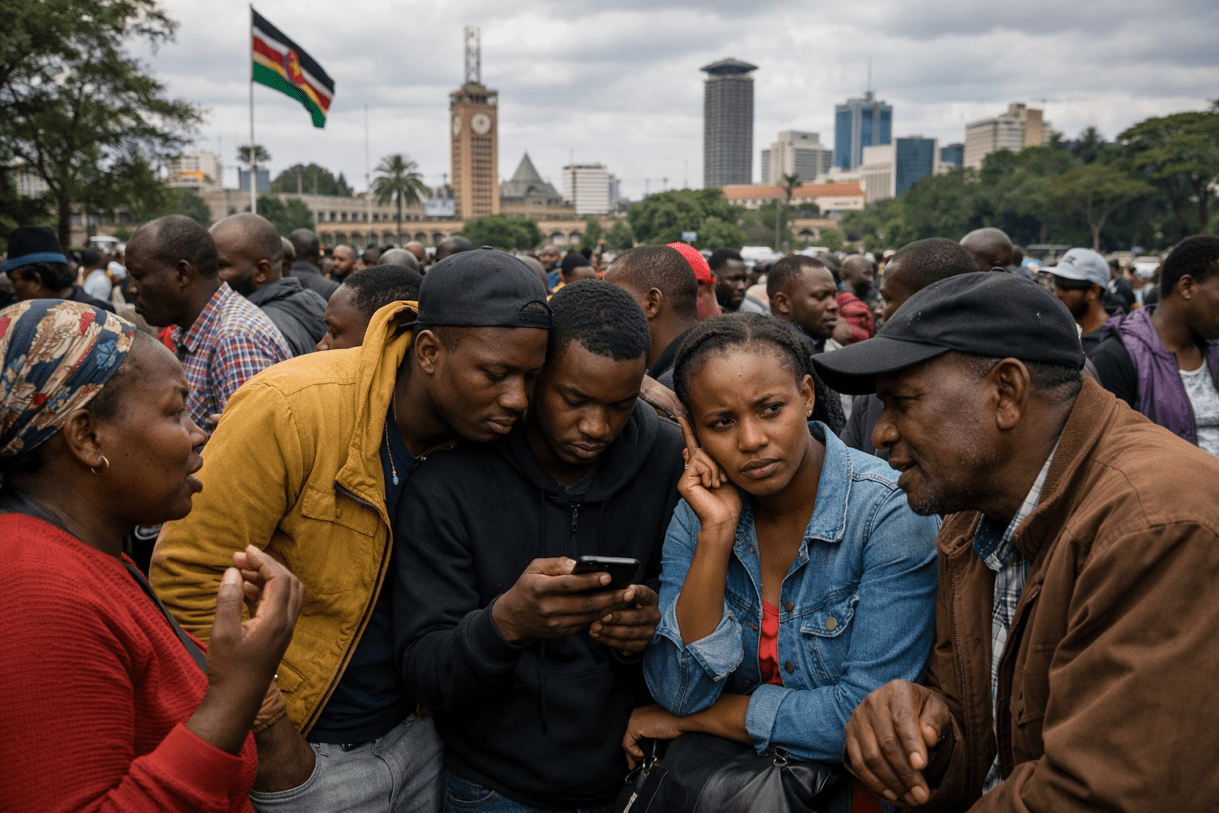
Kenya’s political landscape is once again heating up, and not because of an election campaign season officially underway. Across the country, conversations in matatus, social media spaces, town halls, and Parliament itself point to a nation in political transition. Economic pressure, shifting alliances, youth activism, and early presidential calculations are shaping what is trending in Kenyan politics right now.
At the heart of it all is a familiar Kenyan reality: politics never truly sleeps.
A Country Still Arguing About the Economy
If there is one issue cutting across all political divides in Kenya today, it is the cost of living. Rising food prices, higher fuel costs, taxation debates, and job scarcity continue to dominate political discussions. Government policy decisions are being scrutinized daily, not just by opposition leaders, but by ordinary citizens who feel the impact at the market, the pump, and the dinner table.
Political leaders, whether in government or opposition, are being judged less by rhetoric and more by how convincingly they speak to economic survival. This has shifted the tone of Kenyan politics from ethnic arithmetic to pocketbook politics, especially among urban voters and the youth.
President William Ruto Under Constant Spotlight
President William Ruto remains the central figure in Kenyan politics, and his leadership style, policy direction, and communication strategy are under constant public examination. His administration’s economic reforms, tax policies, and promises to empower small traders have drawn both praise and criticism.
What is notable is how political commentary around the presidency has moved heavily into the digital space. Online discourse, viral clips from public rallies, and trending political nicknames reflect a more engaged — and sometimes impatient — public. While such trends may appear superficial, they often mirror deeper public sentiment and frustration.
Supporters argue the government needs time to stabilize the economy, while critics say the pain is immediate and the explanations insufficient. This tension continues to fuel political debate nationwide.
Opposition Politics in a Moment of Reorganization
On the opposition side, Kenyan politics is experiencing a period of restructuring and repositioning. Longstanding political figures still command loyalty, but there is growing discussion about leadership succession, coalition unity, and generational change.
Opposition parties are under pressure to move beyond protest politics and offer clear, credible alternatives on governance and economic recovery. Internal competition, regional interests, and strategic disagreements are all playing out quietly but significantly as 2027 approaches.
This moment has opened space for both experienced politicians and emerging voices to attempt to redefine opposition leadership in Kenya.
Early 2027 Presidential Calculations Begin
Although the next general election is still some distance away, political groundwork is already being laid. Opinion polls, public appearances, regional tours, and behind-the-scenes negotiations suggest that several political figures are testing national appeal.
What is different this time is the early involvement of public opinion data in shaping political narratives. Poll results are being cited widely, sometimes selectively, to project momentum or vulnerability. While polls are not elections, they are increasingly used as political tools to attract allies and donors.
The result is a political environment where ambition is visible, but alliances remain fluid.
New Parties, Old Names, Familiar Strategies
Kenya’s political tradition of forming new parties ahead of elections is once again evident. New political vehicles are emerging, often driven by established personalities seeking fresh branding or strategic independence.
These developments are not necessarily signs of ideological shifts. Instead, they reflect Kenya’s coalition-driven politics, where party structures are frequently adapted to suit electoral goals rather than long-term policy frameworks.
Voters, however, are becoming more skeptical. There is growing public demand for substance over slogans and for leaders who can demonstrate real problem-solving ability beyond campaign seasons.
Youth, Protest, and Digital Power
One of the most significant trends shaping Kenyan politics today is youth political engagement. Young Kenyans are not only voting; they are organizing, questioning, documenting, and mobilizing online.
Past protests over taxation, governance, and accountability continue to influence political discourse even when demonstrations are not ongoing. The message from younger citizens is clear: leadership must be responsive, transparent, and accountable.
Social media platforms have become powerful political arenas, capable of amplifying voices that were once ignored. Politicians who fail to understand or respect this shift risk losing relevance.
Parliament, Legislation, and Public Trust
Within Parliament, debates over taxes, borrowing, and public expenditure have attracted increased public attention. Parliamentary proceedings are no longer distant formalities; clips of heated exchanges and controversial votes circulate widely online.
This heightened visibility has placed lawmakers under pressure to align their voting records with public expectations. Constituents are watching more closely, and political accountability is increasingly immediate.
A Political Mood Defined by Caution and Expectation
What is trending in Kenyan politics right now is not a single event, scandal, or personality, but a collective mood. It is a mood defined by economic anxiety, cautious political optimism, and rising public awareness.
Kenyans are listening more critically, questioning more boldly, and demanding more clarity from those who seek power. Political loyalty is becoming less automatic, and credibility is becoming more valuable than charisma alone.
Looking Ahead
As Kenya moves closer to the midpoint between elections, the political environment will likely grow more intense. Alliances will form and fracture, narratives will sharpen, and public expectations will rise.
What remains clear is that Kenyan politics is entering a phase where performance, not just positioning, matters. Leaders who can speak honestly about challenges — and offer realistic paths forward — will shape the next chapter of the country’s political story.

Support Our Website!
We appreciate your visit and hope you find our content valuable. If you’d like to support us further, please consider contributing through the TILL NUMBER: 9549825. Your support helps us keep delivering great content!
If you’d like to support Nabado from outside Kenya, we invite you to send your contributions through trusted third-party services such as Remitly, western union, SendWave, or WorldRemit. These platforms are reliable and convenient for international money transfers.
Please use the following details when sending your support:
Phone Number: +254701838999
Recipient Name: Peterson Getuma Okemwa
We sincerely appreciate your generosity and support. Thank you for being part of this journey!
I have not checked in here for some time because I thought it was getting boring, but the last few posts are good quality so I guess I?¦ll add you back to my daily bloglist. You deserve it my friend 🙂
Casino comparison pages are useful for visitors to look through different gaming brands before registering. dudespincasino1.pl is suitable as a review-style gambling resource. The strongest pages usually explain things plainly and keep the structure easy to scan.