

simply amazing, always for you.
Hantavirus is one of those diseases that rarely makes daily headlines, yet when it appears, it does so with alarming severity. It is not as widespread as influenza or malaria, but its impact can be devastating—often progressing rapidly from mild symptoms to life-threatening complications. What makes hantavirus particularly dangerous is its stealth: people can be exposed without realizing it, especially in environments where rodents are present.
This comprehensive guide breaks down everything you need to know about hantavirus—how it spreads, what symptoms to watch for, how it is treated, and most importantly, how you can protect yourself and your family. Whether you live in an urban setting like Nairobi or a rural area where rodent exposure is more common, understanding this virus is critical.
What Is Hantavirus?
Hantavirus refers to a group of viruses carried primarily by rodents. When humans become infected, the virus can cause severe diseases affecting the lungs or kidneys. The two major illnesses associated with hantavirus are:
- Hantavirus Pulmonary Syndrome
- Hemorrhagic Fever with Renal Syndrome
Each form has distinct symptoms and geographic patterns, but both can be severe and require urgent medical attention.
A Brief History of Hantavirus
Hantavirus was first identified during the Korean War in the 1950s, when thousands of soldiers fell ill with a mysterious disease later identified as HFRS. The virus gained global attention again in 1993 when an outbreak of HPS occurred in the southwestern United States, causing multiple deaths and prompting widespread research.
Since then, scientists have identified numerous hantavirus strains worldwide, each associated with specific rodent hosts.
How Hantavirus Spreads
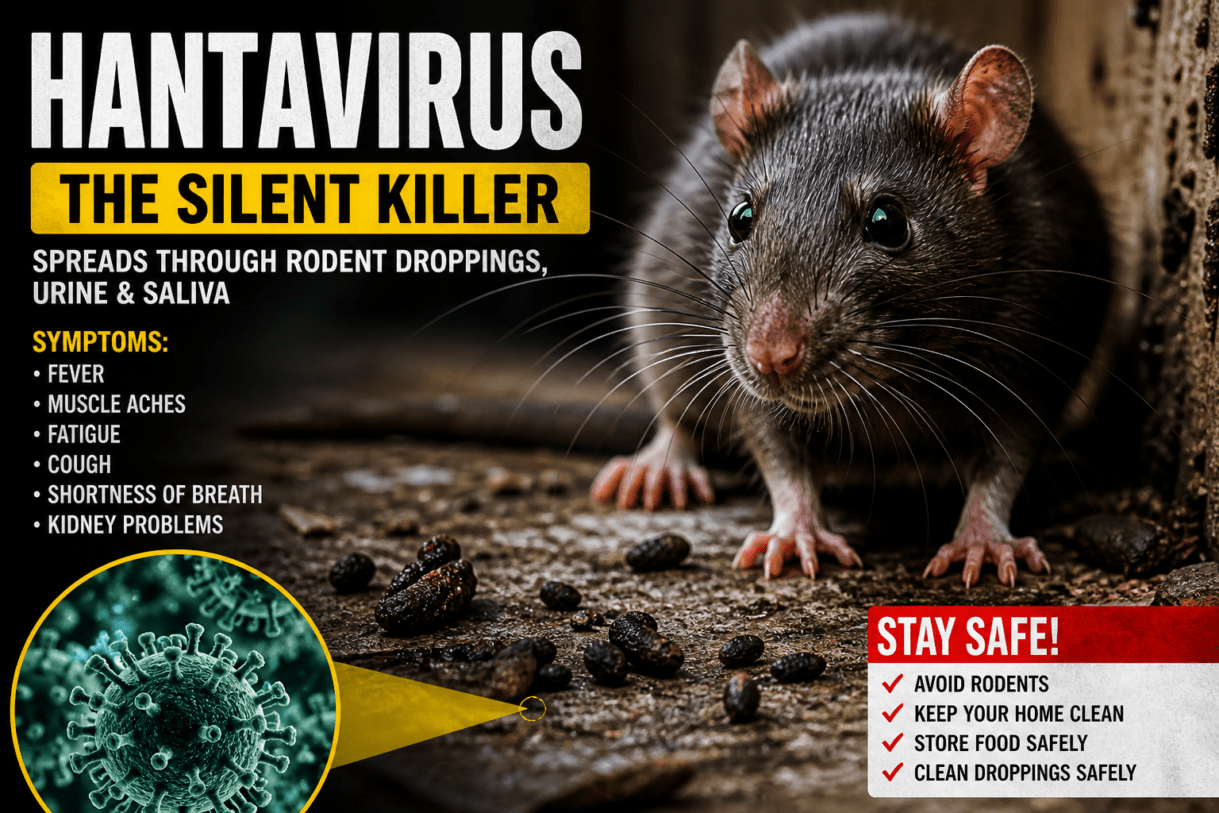
The primary carriers of hantavirus are rodents such as mice and rats. The virus does not harm them but is shed through:
- Urine
- Droppings
- Saliva
Humans typically become infected through airborne transmission. This happens when virus particles become airborne and are inhaled.
Common Exposure Scenarios
- Cleaning a dusty, rodent-infested room
- Sweeping or vacuuming areas with rodent droppings
- Living in poorly sealed homes where rodents enter frequently
- Working in farms, warehouses, or storage areas
In rare cases, hantavirus may spread through rodent bites or direct contact with contaminated materials.
Is Hantavirus Contagious?
Unlike many viral diseases, hantavirus is not generally spread from person to person. This is a critical distinction that reduces the risk of outbreaks compared to diseases like COVID-19.
However, there have been extremely rare cases of human-to-human transmission with certain strains, particularly in South America. These cases are exceptions rather than the rule.
Types of Hantavirus Diseases
1. Hantavirus Pulmonary Syndrome (HPS)
Hantavirus Pulmonary Syndrome is the more severe and widely discussed form, particularly in the Americas.
Early Symptoms:
- Fever
- Fatigue
- Muscle aches (especially in large muscle groups)
- Headaches
- Dizziness
Later Symptoms:
- Shortness of breath
- Coughing
- Fluid buildup in the lungs
This stage can escalate quickly and requires immediate hospitalization.
2. Hemorrhagic Fever with Renal Syndrome (HFRS)
Hemorrhagic Fever with Renal Syndrome is more common in Europe and Asia.
Symptoms:
- High fever
- Abdominal pain
- Low blood pressure
- Kidney dysfunction
- Bleeding complications in severe cases
While often less fatal than HPS, HFRS can still lead to serious complications if untreated.
Incubation Period
The incubation period for hantavirus ranges from 1 to 8 weeks after exposure. This delay often makes it difficult for patients to connect their symptoms to earlier rodent exposure.
Why Hantavirus Is So Dangerous
Hantavirus infections are particularly concerning because of their rapid progression. In the case of HPS, patients may initially feel like they have the flu, only to develop severe respiratory distress within days.
Key Risk Factors:
- Delayed diagnosis
- Lack of early medical intervention
- Exposure to high concentrations of virus particles
Mortality rates for HPS can reach 30% to 40%, making it one of the more lethal viral infections when untreated.
Diagnosing Hantavirus
Diagnosing hantavirus can be challenging because early symptoms resemble many other illnesses.
Diagnostic Methods:
- Blood tests to detect antibodies
- PCR testing to identify viral genetic material
- Imaging (such as chest X-rays) to assess lung involvement
Doctors also rely heavily on patient history, particularly recent exposure to rodents or rodent-infested environments.
Treatment Options
There is currently no specific antiviral cure for hantavirus. Treatment focuses on supportive care.
Hospital-Based Care:
- Oxygen therapy
- Mechanical ventilation for severe respiratory cases
- Intravenous fluids
- Monitoring kidney function
Early hospitalization significantly improves survival rates, especially for HPS patients.
Prevention: Your Best Defense
Since there is no cure, prevention is the most effective strategy against hantavirus.
1. Rodent Control
- Seal holes and gaps in your home
- Store food in airtight containers
- Dispose of garbage properly
2. Safe Cleaning Practices
- Never sweep or vacuum dry rodent droppings
- Use disinfectants such as bleach solutions
- Wear gloves and masks when cleaning
3. Environmental Awareness
- Be cautious in cabins, sheds, or unused buildings
- Ventilate closed spaces before entering
- Avoid sleeping directly on the ground in rodent-prone areas
Hantavirus in Africa and Kenya
Hantavirus is less commonly reported in Africa compared to other regions, but that does not mean the risk is nonexistent. Limited surveillance and underreporting may contribute to the lower documented cases.
In Kenya, where both urban and rural environments can experience rodent infestations, awareness and preventive practices are essential.
Who Is Most at Risk?
Certain groups face a higher risk of hantavirus exposure:
- Farmers and agricultural workers
- Construction workers
- Warehouse employees
- People living in rodent-infested housing
- Campers and hikers
Understanding your risk level can help you take targeted preventive measures.
Myths and Misconceptions
Myth 1: Only rural areas are at risk
Urban environments can also harbor rodents, making exposure possible in cities.
Myth 2: Cats and dogs spread hantavirus
Domestic pets do not transmit the virus to humans.
Myth 3: You can get hantavirus from food directly
The risk comes from contamination with rodent waste, not the food itself.
When to Seek Medical Help
Seek immediate medical attention if you experience:
- Fever combined with recent rodent exposure
- Difficulty breathing
- Persistent fatigue and muscle aches
Early intervention can be lifesaving.
The Global Perspective
Hantavirus continues to be a public health concern worldwide. While outbreaks are relatively rare, their severity ensures that health authorities remain vigilant.
Countries with strong surveillance systems tend to report more cases, but this may reflect better detection rather than higher actual infection rates.
Hantavirus may not be a household name, but its potential impact is significant. It is a disease that thrives on neglect—neglect of hygiene, of environmental awareness, and of early symptoms.
The good news is that it is largely preventable. By maintaining clean living spaces, controlling rodent populations, and practicing safe cleaning methods, you can drastically reduce your risk.
In a world where many health threats are complex and unavoidable, hantavirus stands out as one where knowledge and simple precautions can make all the difference.
SUGGESTED READS
- How Exercise Transforms Your Mind: The Ultimate Guide to Mental Health Benefits
- How Food Can Solve Angriness: The Science of Eating Your Way to Calm
- How to Break Free from Sugar Cravings: Tips for Healthy Eating
- How to Start a Plant-Based Diet: A Beginner’s Guide to Healthy Eating
- The 10 Best Foods for Boosting Your Immune System Naturally
- Why Is My Nipple or Breast Painful? Understanding the Causes, Symptoms, and Solutions

Support Our Website!
We appreciate your visit and hope you find our content valuable. If you’d like to support us further, please consider contributing through the TILL NUMBER: 9549825. Your support helps us keep delivering great content!
If you’d like to support Nabado from outside Kenya, we invite you to send your contributions through trusted third-party services such as Remitly, western union, SendWave, or WorldRemit. These platforms are reliable and convenient for international money transfers.
Please use the following details when sending your support:
Phone Number: +254701838999
Recipient Name: Peterson Getuma Okemwa
We sincerely appreciate your generosity and support. Thank you for being part of this journey!