

simply amazing, always for you.
What Is Sepsis?
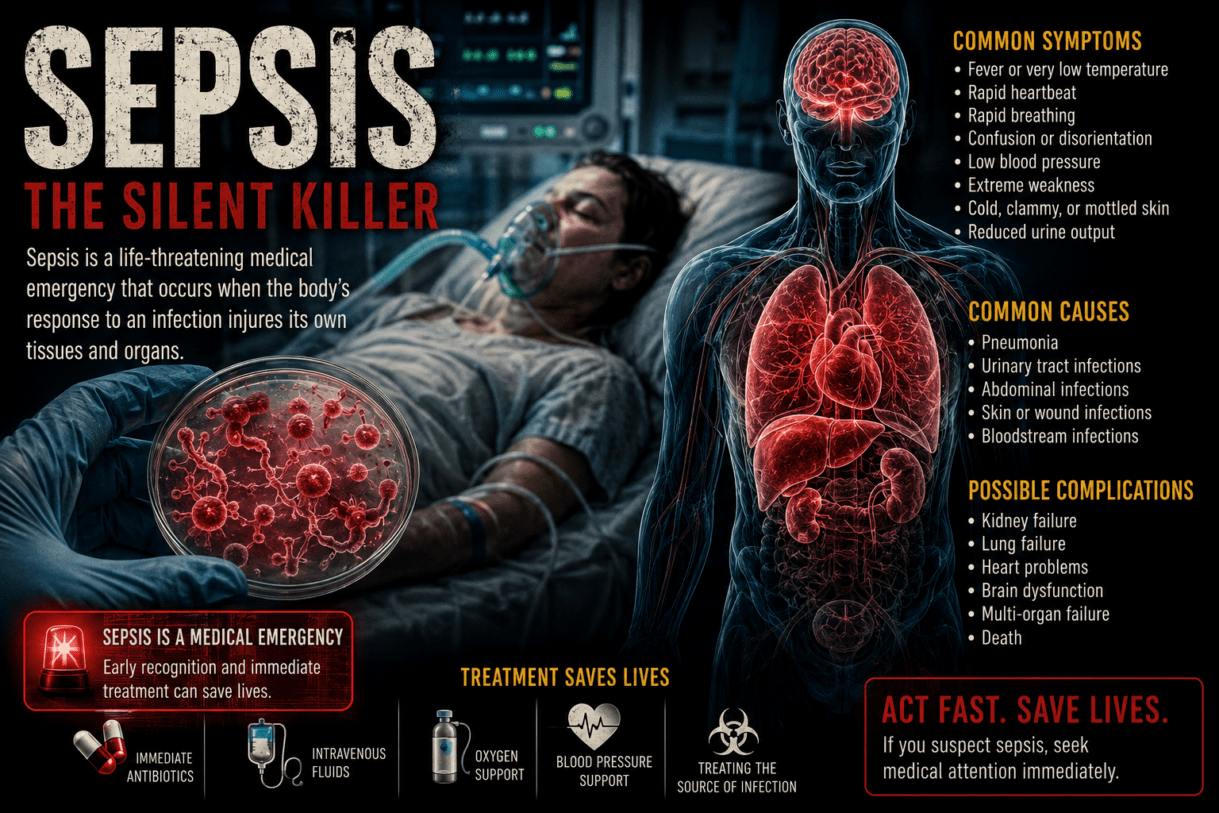
Sepsis is one of the deadliest medical emergencies in the world, yet millions of people still know very little about it. Many people think sepsis is simply a severe infection, but the truth is far more dangerous. Sepsis occurs when the body’s immune system overreacts to an infection and begins attacking its own tissues and organs.
What starts as a common infection — such as a urinary tract infection, pneumonia, or even a small wound — can suddenly spiral into organ failure, septic shock, and death if not treated quickly.
Doctors around the world consider sepsis a race against time. Every hour without treatment increases the risk of death. In hospitals, emergency teams move aggressively once sepsis is suspected because the condition can deteriorate rapidly.
Despite advances in medicine, sepsis remains one of the leading causes of death globally. It affects newborn babies, healthy adults, elderly people, and even celebrities. The frightening part is that many victims never realize how serious their condition has become until it is too late.
This article explores everything you need to know about sepsis, including its causes, symptoms, stages, treatment options, long-term complications, prevention strategies, and why early recognition can save lives.
Why Sepsis Is Called a Silent Killer
One reason sepsis is so deadly is that it often hides behind symptoms that resemble common illnesses like flu, food poisoning, or fatigue.
A person may initially experience:
- Fever
- Chills
- Weakness
- Rapid heartbeat
- Confusion
- Difficulty breathing
Many people dismiss these symptoms or attempt home remedies, unaware that their organs may already be shutting down internally.
Unlike dramatic medical emergencies such as heart attacks, sepsis can quietly escalate over several hours or days. By the time some patients reach the hospital, the infection has already caused irreversible damage.
Doctors frequently describe sepsis as a “silent killer” because it can develop from almost any infection and progress rapidly without obvious warning signs.
The History of Sepsis
The concept of sepsis has existed for thousands of years. Ancient Greek physician Hippocrates used the term “sepsis” to describe the process of decay or decomposition in the body.
Before antibiotics were discovered, infections routinely killed people after injuries, childbirth, or surgeries. Minor wounds could become fatal within days.
Modern medicine significantly reduced infection-related deaths through:
- Antibiotics
- Sterile surgical procedures
- Vaccinations
- Intensive care units
However, sepsis remains a major global health problem even today.
The rise of:
- Antibiotic resistance
- Aging populations
- Chronic diseases
- Increased invasive medical procedures
has contributed to the continuing danger posed by sepsis.
What Causes Sepsis?
Sepsis is not caused directly by germs alone. Instead, it occurs when the immune system reacts abnormally to an infection.
The body normally fights infections by releasing chemicals into the bloodstream to destroy invading organisms. In sepsis, this immune response becomes uncontrolled and starts damaging healthy tissues.
Common infections that may lead to sepsis include:
1. Pneumonia
Lung infections are among the leading causes of sepsis worldwide. Bacteria or viruses infect the lungs, triggering inflammation that can spread into the bloodstream.
2. Urinary Tract Infections (UTIs)
A simple bladder infection can become dangerous if bacteria spread to the kidneys and bloodstream.
3. Skin Infections
Cuts, burns, ulcers, or infected wounds may allow bacteria to enter the body.
4. Abdominal Infections
Appendicitis, gallbladder infections, and bowel perforations can release bacteria into the abdominal cavity.
5. Bloodstream Infections
Some infections directly enter the blood, rapidly triggering severe sepsis.
6. Viral Infections
Viruses such as influenza and COVID-19 have also been linked to severe sepsis cases.
Who Is Most at Risk?
Although anyone can develop sepsis, some people face a much higher risk.
Elderly People
The immune system weakens with age, making older adults more vulnerable to infections and complications.
Babies and Infants
Newborns have immature immune systems that may struggle to fight infections effectively.
People With Chronic Diseases
Conditions such as:
- Diabetes
- Cancer
- Kidney disease
- Liver disease
- HIV/AIDS
increase susceptibility to severe infections.
Hospitalized Patients
Patients with catheters, IV lines, or recent surgeries face higher infection risks.
People With Weak Immune Systems
Chemotherapy, organ transplants, and immunosuppressive medications can weaken the body’s defenses.
Symptoms of Sepsis
Recognizing symptoms early can save lives.
Common signs include:
Fever or Low Body Temperature
A high fever may indicate infection, but some patients develop dangerously low body temperatures instead.
Rapid Heart Rate
The heart works harder as the body struggles to maintain blood flow.
Fast Breathing
Low oxygen levels and inflammation can cause breathing difficulties.
Extreme Weakness
Patients often feel exhausted or unable to stand.
Confusion or Disorientation
Sepsis can affect brain function, causing mental changes.
Low Blood Pressure
Blood vessels become leaky and lose their ability to maintain circulation.
Pale or Mottled Skin
Poor blood circulation may cause unusual skin coloring.
Reduced Urination
Kidneys may begin failing due to poor blood flow.
The Three Main Stages of Sepsis
Doctors often classify sepsis into stages based on severity.
1. Sepsis
At this stage, infection triggers systemic inflammation.
Symptoms may include:
- Fever
- Elevated heart rate
- Rapid breathing
- Suspected infection
Early treatment is highly effective at this point.
2. Severe Sepsis
Severe sepsis occurs when organs begin malfunctioning.
Signs may include:
- Kidney problems
- Breathing difficulty
- Abnormal liver function
- Reduced platelet counts
- Confusion
Without aggressive treatment, the condition can rapidly worsen.
3. Septic Shock
This is the most dangerous stage.
Patients experience:
- Critically low blood pressure
- Organ failure
- Severe oxygen deprivation
- High risk of death
Even with intensive care, septic shock remains extremely difficult to survive.
How Sepsis Attacks the Body
Sepsis creates chaos throughout the body.
Blood Vessel Damage
Inflammation causes blood vessels to leak fluid, reducing circulation.
Organ Failure
Reduced oxygen delivery damages:
- Kidneys
- Brain
- Liver
- Lungs
- Heart
Blood Clot Formation
Tiny clots can block blood flow to organs and limbs.
Immune System Exhaustion
The immune system may become overwhelmed and unable to control infection.
This combination creates a deadly cycle that can rapidly become fatal.
How Doctors Diagnose Sepsis
There is no single test that instantly confirms sepsis.
Doctors use:
- Blood tests
- Urine tests
- Imaging scans
- Oxygen monitoring
- Blood pressure checks
to identify infection and organ dysfunction.
Key laboratory findings may include:
- Elevated white blood cell counts
- High lactate levels
- Abnormal kidney function
- Blood clotting abnormalities
Rapid diagnosis is critical because delays dramatically increase mortality risk.
Emergency Treatment for Sepsis
Treating sepsis requires immediate hospitalization.
Antibiotics
Broad-spectrum antibiotics are usually started immediately, often before lab results return.
Intravenous Fluids
Large amounts of IV fluids help stabilize blood pressure.
Oxygen Therapy
Patients may require supplemental oxygen or ventilators.
Vasopressors
These medications tighten blood vessels and improve circulation.
Surgery
Doctors may need to remove infected tissue or drain abscesses.
Dialysis
Kidney failure may require temporary dialysis support.
Why Every Minute Matters
Medical experts frequently emphasize the “golden hour” in sepsis care.
Research shows that survival rates decrease significantly for every hour antibiotics are delayed.
Hospitals worldwide have introduced sepsis protocols to:
- Identify symptoms quickly
- Begin treatment immediately
- Reduce preventable deaths
Fast action can mean the difference between full recovery and fatal organ failure.
Sepsis in Children
Children can develop sepsis from:
- Pneumonia
- Meningitis
- Diarrheal infections
- Blood infections
Symptoms in children may include:
- Difficulty feeding
- Weak crying
- Blue lips
- Sleepiness
- Fever
- Seizures
Because children cannot always explain symptoms clearly, parents and caregivers must act quickly when severe illness develops suddenly.
Maternal Sepsis: A Hidden Threat
Pregnancy-related infections can also trigger sepsis.
Maternal sepsis may develop after:
- Childbirth
- Miscarriage
- Cesarean sections
- Unsafe abortions
It remains a major cause of maternal deaths in many developing countries.
Warning signs include:
- Fever
- Severe abdominal pain
- Foul-smelling discharge
- Rapid heartbeat
- Difficulty breathing
Early treatment is essential to protect both mother and baby.
COVID-19 and Sepsis
During the COVID-19 pandemic, doctors discovered that severe coronavirus infections often triggered viral sepsis.
Many critically ill COVID-19 patients developed:
- Lung failure
- Blood clotting problems
- Multi-organ dysfunction
This highlighted how dangerous uncontrolled immune responses can become during infections.
The Global Burden of Sepsis
Sepsis affects millions of people every year.
Global health organizations estimate that:
- Tens of millions of sepsis cases occur annually
- Millions die each year
- Many survivors suffer lifelong complications
Low-income countries experience particularly high mortality rates due to:
- Delayed treatment
- Limited ICU access
- Shortages of antibiotics
- Poor healthcare infrastructure
Children and pregnant women are especially vulnerable in resource-limited regions.
Long-Term Effects of Sepsis
Surviving sepsis does not always mean complete recovery.
Many survivors experience:
- Memory problems
- Chronic fatigue
- Muscle weakness
- Anxiety
- Depression
- Post-traumatic stress disorder
This condition is often called “post-sepsis syndrome.”
Some patients require months or years of rehabilitation after severe illness.
Can Sepsis Be Prevented?
Although not all cases are preventable, several strategies reduce risk significantly.
Good Hygiene
Handwashing helps prevent infections from spreading.
Vaccination
Vaccines protect against dangerous infections like:
- Influenza
- Pneumonia
- COVID-19
Proper Wound Care
Cuts and injuries should be cleaned and monitored carefully.
Managing Chronic Diseases
Controlling diabetes and other illnesses lowers infection risk.
Early Medical Attention
Seeking treatment for infections before they worsen can prevent sepsis from developing.
Antibiotic Resistance and Sepsis
Antibiotic resistance is making sepsis increasingly difficult to treat.
Some bacteria no longer respond to common antibiotics, forcing doctors to use stronger or more toxic medications.
Overuse and misuse of antibiotics contribute heavily to this problem.
Experts warn that resistant infections could cause sepsis deaths to rise dramatically in coming decades.
Sepsis vs Septic Shock
Many people confuse these terms, but they are not identical.
Sepsis
- Serious immune response to infection
- Organ dysfunction begins
Septic Shock
- Advanced stage of sepsis
- Critically low blood pressure
- Severe organ failure
- Extremely high death risk
Septic shock represents one of the most dangerous emergencies in modern medicine.
Famous Cases That Raised Awareness
Several high-profile deaths have drawn public attention to sepsis.
Celebrities, athletes, and public figures have died from complications linked to infections that escalated into sepsis.
These cases remind the public that even healthy individuals can become critically ill unexpectedly.
Why Public Awareness Is Still Low
Despite its danger, public awareness of sepsis remains surprisingly poor.
Many people recognize terms like:
- Stroke
- Heart attack
- Cancer
but do not understand sepsis symptoms.
Health experts continue pushing for education campaigns because delayed recognition remains a major reason for preventable deaths.
Misconceptions About Sepsis
“Only Sick People Get Sepsis”
False. Healthy individuals can also develop sepsis after infections or injuries.
“Sepsis Is Contagious”
Sepsis itself is not contagious, although the underlying infection might be.
“Antibiotics Always Prevent Sepsis”
Not necessarily. Some infections progress rapidly despite treatment.
“It’s Just a Severe Infection”
Sepsis involves dangerous immune dysfunction, not just infection alone.
How Hospitals Fight Sepsis
Modern hospitals use aggressive sepsis management strategies.
These include:
- Rapid response teams
- Early screening tools
- Intensive monitoring
- Emergency antibiotic administration
- ICU support systems
Healthcare workers are trained to recognize subtle signs before patients deteriorate.
Emotional Impact on Families
Sepsis often strikes suddenly, leaving families shocked and traumatized.
Loved ones may watch a healthy person become critically ill within hours.
Family members frequently struggle with:
- Fear
- Anxiety
- Grief
- Financial stress
especially when ICU care becomes prolonged.
The emotional aftermath can continue long after hospitalization ends.
Sepsis Survivors and Recovery
Recovery varies depending on:
- Age
- Severity
- Speed of treatment
- Overall health
Some survivors recover fully within weeks.
Others require:
- Physical therapy
- Occupational therapy
- Mental health counseling
- Long-term medications
Support from family and healthcare professionals plays a major role during rehabilitation.
Future Research and Hope
Scientists continue researching better ways to:
- Detect sepsis earlier
- Improve immune response control
- Develop faster diagnostics
- Create targeted therapies
Artificial intelligence and advanced blood testing may eventually help doctors diagnose sepsis much faster.
Researchers are also exploring personalized treatments based on individual immune responses.
Sepsis is one of the most dangerous medical emergencies in the world. What makes it especially terrifying is how quickly it can transform an ordinary infection into a life-threatening crisis.
Millions of people underestimate infections every year, unaware that symptoms like confusion, fever, rapid breathing, or extreme weakness may signal the beginning of organ failure.
The key to surviving sepsis is speed:
- Recognize symptoms early
- Seek urgent medical care
- Start treatment immediately
Awareness saves lives.
As medical science advances, survival rates continue improving, but public education remains essential. Understanding sepsis could one day help you save your own life — or someone else’s.
SUGGESTED READS
- Hantavirus: The Silent Threat from Rodents You Can’t Afford to Ignore
- How Exercise Transforms Your Mind: The Ultimate Guide to Mental Health Benefits
- How Food Can Solve Angriness: The Science of Eating Your Way to Calm
- How to Break Free from Sugar Cravings: Tips for Healthy Eating
- How to Start a Plant-Based Diet: A Beginner’s Guide to Healthy Eating
- The 10 Best Foods for Boosting Your Immune System Naturally
- Why Is My Nipple or Breast Painful? Understanding the Causes, Symptoms, and Solutions

Support Our Website!
We appreciate your visit and hope you find our content valuable. If you’d like to support us further, please consider contributing through the TILL NUMBER: 9549825. Your support helps us keep delivering great content!
If you’d like to support Nabado from outside Kenya, we invite you to send your contributions through trusted third-party services such as Remitly, western union, SendWave, or WorldRemit. These platforms are reliable and convenient for international money transfers.
Please use the following details when sending your support:
Phone Number: +254701838999
Recipient Name: Peterson Getuma Okemwa
We sincerely appreciate your generosity and support. Thank you for being part of this journey!