

simply amazing, always for you.
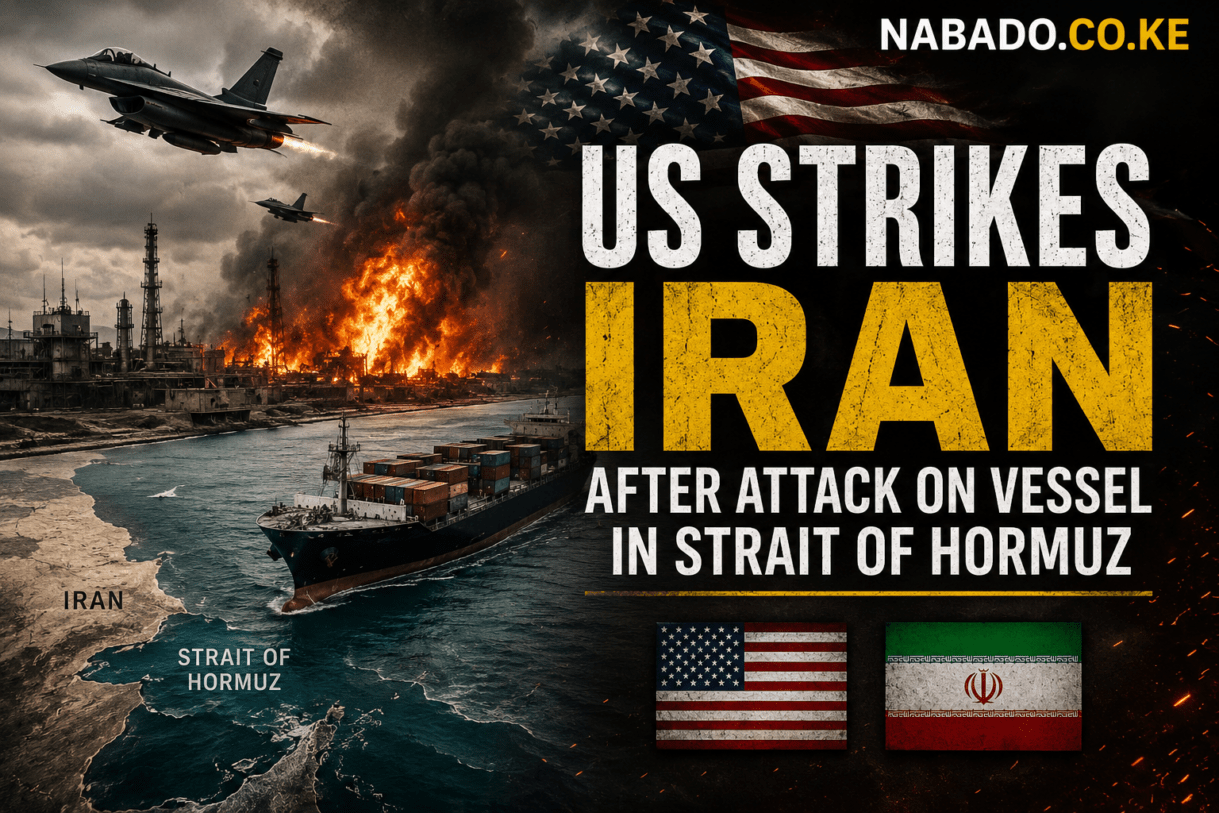
Washington/Tehran – The fragile calm in the Middle East has once again been shattered after the United States launched military strikes against Iranian targets in response to what American officials described as a drone attack on a commercial cargo vessel in the Strait of Hormuz.
The latest escalation comes just days after hopes had emerged that tensions between Washington and Tehran were beginning to ease. Instead, the exchange of military action has reignited fears of a wider regional conflict that could disrupt global energy supplies and international trade.
According to U.S. officials, the strikes targeted missile storage facilities, drone infrastructure and coastal radar installations that were allegedly linked to the attack on the Singapore-flagged cargo ship Ever Lovely. The vessel reportedly sustained damage while transiting the Strait of Hormuz, though no fatalities were reported.
The U.S. military said the operation was designed to deter further attacks on international shipping rather than signal the beginning of a broader military campaign.
Cargo Ship Attack Sparks Swift Response
American authorities blamed Iran for launching a one-way attack drone at the commercial vessel as it navigated one of the world’s busiest maritime routes.
The Strait of Hormuz remains a critical gateway for global oil exports, with a significant share of the world’s crude oil shipments passing through the narrow waterway every day. Any disruption in the region quickly attracts worldwide attention because of its potential impact on energy prices and international commerce.
Officials said the drone strike represented a direct threat to freedom of navigation and commercial shipping.
Within hours, U.S. aircraft carried out precision strikes against multiple military sites inside Iran believed to support drone and missile operations.
Washington Defends Military Action
The White House described the operation as a measured response intended to protect civilian shipping and maintain stability in international waters.
President Donald Trump accused Iran of violating a recently negotiated ceasefire framework, saying attacks on commercial vessels would not be tolerated.
Senior administration officials emphasized that the United States was not seeking a larger war but warned that any additional attacks against American interests or international shipping would trigger further action.
Military officials said every effort was made to limit civilian casualties by focusing exclusively on military infrastructure connected to the alleged attack.
Iran Condemns the Strikes
Iranian officials strongly condemned the U.S. operation, describing it as an act of aggression and warning that Tehran reserves the right to defend itself.
State media insisted Iran had legitimate security concerns in the Strait of Hormuz and rejected Washington’s accusations.
Officials also warned neighboring countries against supporting any future American military operations.
The exchange has significantly increased tensions across the Gulf region, where several countries already maintain heightened military readiness.
Global Shipping Faces Fresh Uncertainty
The renewed confrontation has immediately affected commercial shipping through the Strait of Hormuz.
Several shipping companies have reportedly delayed voyages while assessing the security situation, and maritime authorities are closely monitoring vessel movements.
Insurance costs for ships operating in the Gulf are also expected to rise if the security situation deteriorates further.
Industry analysts warn that prolonged instability could increase transportation costs for oil, liquefied natural gas and other commodities moving through the region.
Oil Markets React
Energy markets closely watched developments following news of the strikes.
Although price movements remained volatile, analysts noted that any prolonged military confrontation around the Strait of Hormuz could tighten global oil supplies and push fuel prices higher.
The waterway is widely regarded as one of the world’s most strategically important energy corridors, making any military activity there a concern for governments and financial markets alike.
International Calls for Restraint
World leaders urged both Washington and Tehran to avoid further escalation.
Diplomatic efforts are expected to intensify as allies seek to prevent the confrontation from expanding into a broader regional conflict.
Security experts warn that even isolated attacks on commercial shipping could have far-reaching consequences for global trade and economic stability.
What Happens Next?
Military analysts believe the coming days will be critical.
If Iran retaliates directly against U.S. forces or commercial shipping, the conflict could deepen rapidly. Conversely, renewed diplomatic engagement could help prevent another prolonged crisis in the Gulf.
For now, international attention remains firmly focused on the Strait of Hormuz, where every military movement is being watched closely by governments, shipping companies and financial markets around the world.
While both sides insist they do not want a full-scale war, the latest exchange demonstrates just how quickly tensions in the region can escalate—and how events in a narrow stretch of water can have consequences felt across the global economy.
SUGGESTED READS
- Embracing Imperfection: Why Making Mistakes is Better Than Faking Perfection
- The Humility and Obedience of Christ
- No Revenge: Why Naturally Ugly People Destroy Their Own Lives
- The Cycle of Consequences: How Actions Inevitably Return to Us
- The Power of Boundaries: Protecting Your Well-Being and Letting Go of Toxic Relationships
- Dance before the music is over, live before your life is over
- The Greatest Commandments

Support Our Website!
We appreciate your visit and hope you find our content valuable. If you’d like to support us further, please consider contributing through the TILL NUMBER: 9549825. Your support helps us keep delivering great content!
If you’d like to support Nabado from outside Kenya, we invite you to send your contributions through trusted third-party services such as Remitly, western union, SendWave, or WorldRemit. These platforms are reliable and convenient for international money transfers.
Please use the following details when sending your support:
Phone Number: +254701838999
Recipient Name: Peterson Getuma Okemwa
We sincerely appreciate your generosity and support. Thank you for being part of this journey!