

We aint done yet… Expect another one.
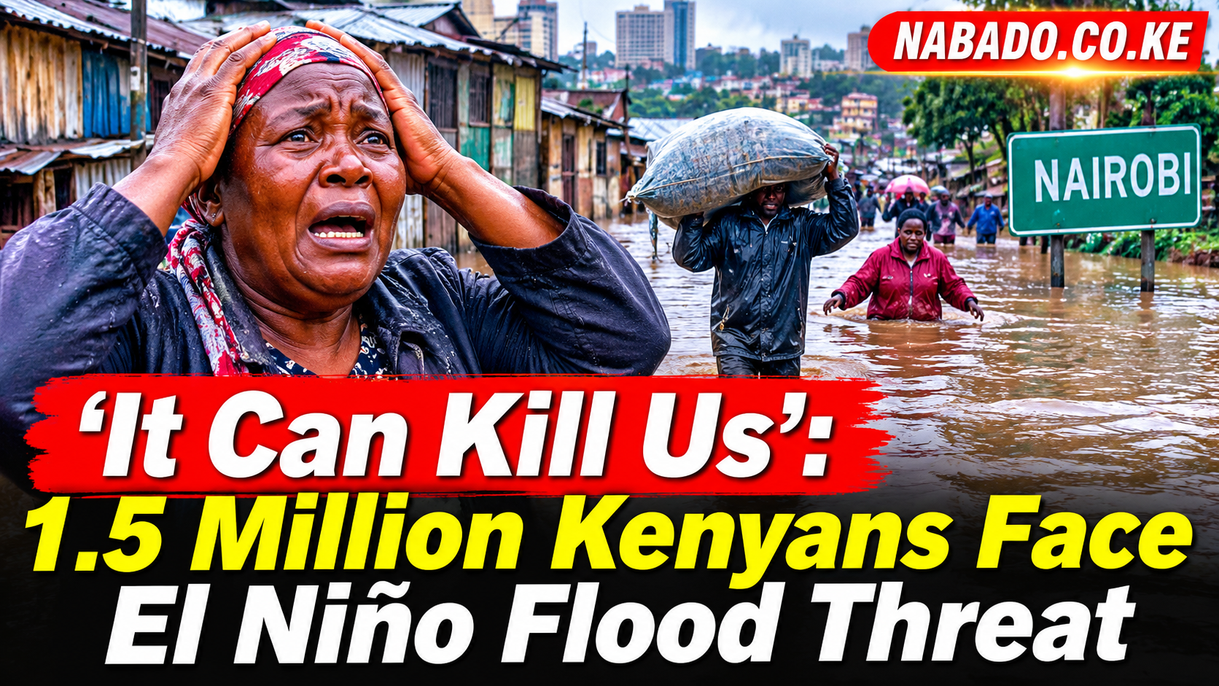
Kenyans living in flood-prone areas are increasingly worried about the approaching heavy rains, with fears that another devastating El Niño season could destroy homes, displace families and claim lives.
The warnings have sparked anxiety among residents of Nairobi’s informal settlements, where thousands of families live close to rivers, drainage channels and other areas vulnerable to flooding.
For some residents, the approaching rainy season brings back painful memories of previous disasters that left families homeless and communities struggling to recover.
One of the residents expressing concern is 62-year-old Agnes Shikoli, who lives in Kibera, Nairobi, near the Ngong River.
Shikoli remembers the destruction caused by previous heavy rains, which flooded her home and damaged household belongings. She also experienced personal tragedy after her sister died following an electrocution incident in a flooded house.
Her fears reflect the uncertainty facing families who have limited financial resources and few options for relocating to safer neighbourhoods.
For residents living near rivers, another period of intense rainfall could become a matter of life and death.
Kenya Braces for Heavy El Niño Rains
The Kenya Meteorological Department has warned of enhanced rainfall during the October-December 2026 short-rains season, raising concerns about possible flooding in several parts of the country.
November is traditionally one of the wettest months of the short-rains season, and meteorologists expect above-average rainfall in various regions.
Counties expected to experience significant rainfall include Nairobi, Machakos, Makueni, Kajiado, Kiambu, Nakuru, Kisumu and Mombasa.
The anticipated weather conditions have raised concerns about flash floods, overflowing rivers, damaged roads and possible landslides in vulnerable areas.
The situation is particularly worrying for communities living in low-lying areas, where even a few hours of intense rainfall can cause serious destruction.
Up to 1.5 Million People Could Be Affected
The potential scale of the disaster has become a major concern for authorities.
Reports indicate that approximately 1.5 million Kenyans could be affected by the anticipated heavy rains, prompting calls for early evacuation and improved disaster preparedness.
People living near rivers, floodplains and poorly drained settlements have been encouraged to consider relocating before the situation becomes dangerous.
However, relocating is not easy for many low-income families.
In settlements such as Kibera and Mathare, thousands of households depend on inexpensive housing located in areas exposed to flooding.
For these families, moving to safer neighbourhoods requires financial resources that many simply do not have.
This creates a difficult situation where residents understand the danger but remain trapped by economic circumstances.
Nairobi’s Drainage System Raises More Concerns
Nairobi remains one of the areas facing significant flooding risks because of its drainage challenges and rapid urban development.
Blocked drainage channels, poor waste disposal and construction along waterways have repeatedly contributed to flooding during periods of heavy rainfall.
During intense storms, water can quickly accumulate on roads and enter residential buildings, destroying property and disrupting businesses.
Authorities have been undertaking drainage-clearing exercises to improve water flow ahead of the expected rains.
However, questions remain about whether the city’s existing infrastructure can adequately handle prolonged periods of heavy rainfall.
The growing population has placed additional pressure on drainage and sewerage systems, increasing the need for long-term infrastructure investment.
Government Steps Up El Niño Preparations
The government is expected to strengthen emergency response measures as the country prepares for the rainy season.
Preparations include identifying temporary evacuation centres, improving emergency communication and encouraging residents in high-risk locations to move to safer areas.
Emergency shelters are particularly important for families who may lose their homes or become stranded during severe flooding.
Authorities are also encouraging Kenyans to follow official weather updates and take evacuation warnings seriously.
Disaster preparedness experts have repeatedly warned that waiting until floodwaters reach residential areas can make rescue operations more difficult and dangerous.
What Kenyans Should Do as Heavy Rains Approach
Residents have been urged to take precautions to protect themselves and their families.
People living near rivers and drainage channels should monitor water levels and move to higher ground whenever flooding becomes a threat.
Motorists should avoid driving through flooded roads because the depth and strength of moving water can be difficult to judge.
Parents should also ensure that children do not play in flooded areas, drainage channels or near swollen rivers.
Households are encouraged to keep important documents, medication, drinking water and emergency supplies in waterproof containers.
Following official announcements from the Kenya Meteorological Department and emergency authorities will also help residents make informed decisions.
Kenyans Fear Another Season of Destruction
Despite government preparations, uncertainty continues to hang over communities that have experienced devastating floods in previous years.
For residents such as Agnes Shikoli, the biggest concern is not simply losing household belongings but surviving another dangerous rainy season.
The anticipated El Niño conditions could bring benefits to agriculture and water supplies, but excessive rainfall could also expose millions of people to serious risks.
The challenge facing Kenya is ensuring that warnings translate into practical action before flooding begins.
As the country approaches the peak of the rainy season, vulnerable families are hoping that preparations will be sufficient to prevent another humanitarian disaster.
For those living beside rivers and in poorly drained settlements, the message is clear: another major flood could change their lives forever.
SUGGESTED READS
- The Ugly Truth About Chasing Someone Who Keeps Losing Interest
- The Power of Kind Gestures: Meaningful Ways to Show Appreciation in Everyday Life
- Why Your Brain Struggles to Let Go After a Breakup
- Why Men Disappear Emotionally After Sex
- The Hidden Male Fear That Makes Him Pull Away From You
- When Money Changes Love: The Hidden Ways Wealth Affects Relationships
- Why Loneliness Is Rising Despite Social Media

Support Our Website!
We appreciate your visit and hope you find our content valuable. If you’d like to support us further, please consider contributing through the TILL NUMBER: 9549825. Your support helps us keep delivering great content!
If you’d like to support Nabado from outside Kenya, we invite you to send your contributions through trusted third-party services such as Remitly, western union, SendWave, or WorldRemit. These platforms are reliable and convenient for international money transfers.
Please use the following details when sending your support:
Phone Number: +254701838999
Recipient Name: Peterson Getuma Okemwa
We sincerely appreciate your generosity and support. Thank you for being part of this journey!