

We Ain’t Done Yet… Expect Another One.
Diarrhea: Simple Tips That Could Save You Days of Misery
Meta Description: Learn how to prevent Cyclospora infection and explosive diarrhea with practical food safety, hygiene, and travel tips. Protect yourself and your family with this complete guide.
How to Prevent Cyclospora Infection and Explosive Diarrhea: Simple Tips That Could Save You Days of Misery
Nobody expects a fresh salad or a bowl of fruit to become the reason they spend days rushing to the bathroom. Yet every year, thousands of people around the world develop severe diarrhea after consuming food contaminated with a microscopic parasite known as Cyclospora cayetanensis.
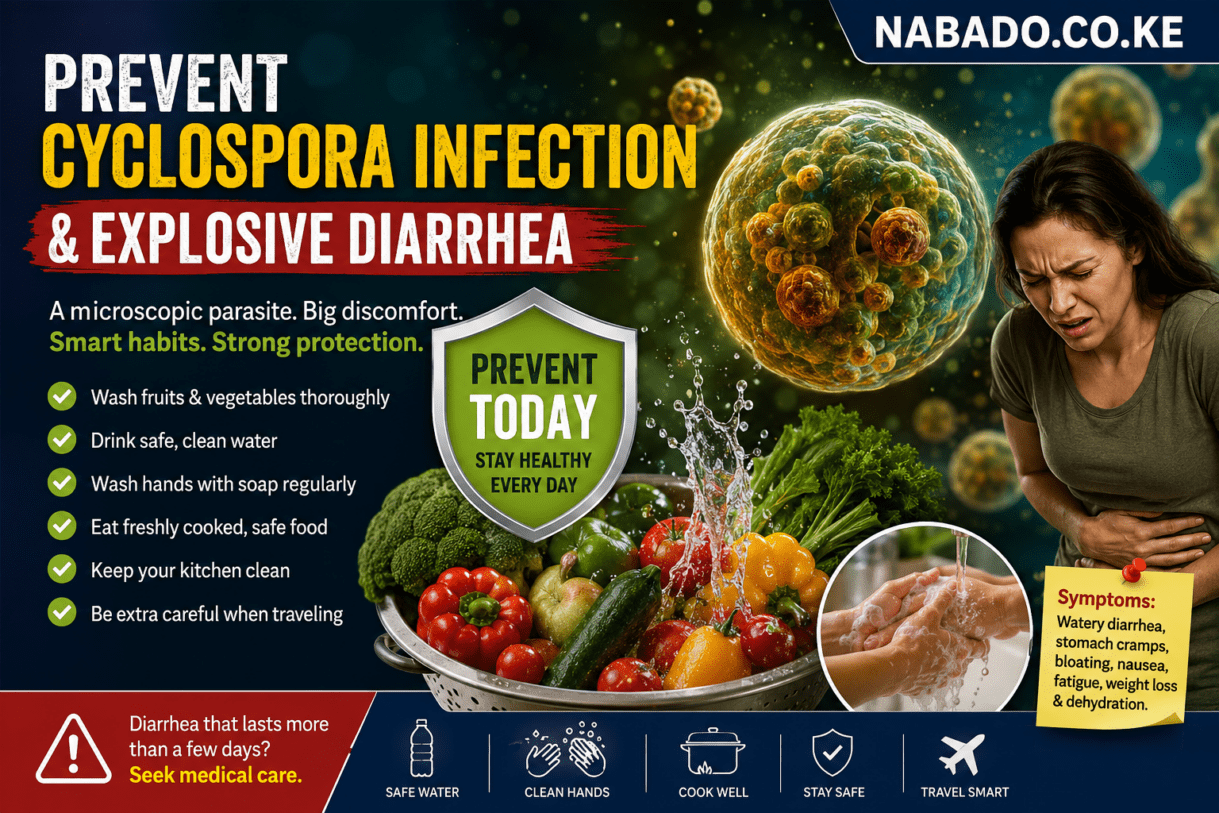
Unlike many stomach bugs that disappear within a day or two, a Cyclospora infection can linger for weeks if left untreated. The illness often causes explosive watery diarrhea, stomach cramps, bloating, nausea, fatigue, and weight loss. In some cases, symptoms improve only to return days later, making the infection especially frustrating.
The good news is that Cyclospora infection is largely preventable. By following a few simple hygiene and food safety practices, you can dramatically lower your risk of becoming infected.
This guide explains everything you need to know about preventing Cyclospora infection and keeping yourself and your family safe.
What Is Cyclospora?
Cyclospora is a tiny parasite that infects the small intestine. The illness it causes is known as cyclosporiasis.
People become infected after swallowing food or water contaminated with mature Cyclospora parasites. Fresh produce such as leafy greens, herbs, berries, and vegetables has been linked to numerous outbreaks because these foods are often eaten raw.
Interestingly, Cyclospora does not spread immediately from one person to another. The parasite needs time outside the human body before it becomes infectious. That means contaminated food and water remain the biggest sources of infection.
Common Symptoms of Cyclospora Infection
Symptoms usually appear about one week after exposure, although they may begin as early as two days or as late as two weeks afterward.
Common signs include:
- Explosive watery diarrhea
- Frequent bowel movements
- Stomach cramps
- Nausea
- Vomiting
- Gas and bloating
- Loss of appetite
- Fatigue
- Low-grade fever
- Weight loss
- Dehydration
Without treatment, symptoms can last for several weeks and sometimes return after appearing to improve.
Why Prevention Matters
Diarrheal illnesses are more than just inconvenient.
Severe diarrhea can lead to dehydration, electrolyte imbalance, and significant weakness. Children, older adults, pregnant women, and people with weakened immune systems are particularly vulnerable to complications.
Preventing infection is far easier than dealing with prolonged illness.
1. Wash Fresh Fruits and Vegetables Carefully
Fresh produce is one of the most common ways Cyclospora spreads.
Before eating fruits or vegetables:
- Wash them thoroughly under clean running water.
- Rub produce gently with your hands.
- Use a clean vegetable brush for firm produce like cucumbers, potatoes, and carrots.
- Remove damaged sections before eating.
- Dry produce with a clean paper towel if possible.
Although washing greatly reduces dirt and germs, it may not remove every Cyclospora parasite. Buying produce from trusted suppliers also matters.
2. Drink Safe Water
Unsafe drinking water remains a major source of intestinal infections in many parts of the world.
To reduce your risk:
- Drink treated or bottled water when traveling.
- Use filtered water if water quality is uncertain.
- Avoid untreated river or lake water.
- Use safe water for brushing your teeth while abroad.
Even ice cubes can pose a risk if made from contaminated water.
3. Wash Your Hands Properly
Handwashing remains one of the simplest and most effective disease prevention methods.
Wash your hands:
- Before eating.
- Before preparing meals.
- After using the toilet.
- After changing diapers.
- After gardening.
- After touching animals.
Use soap and running water for at least 20 seconds.
While alcohol-based sanitizers are convenient, soap and water remain the better choice when preventing foodborne illnesses.
4. Be Smart When Traveling
Travel increases exposure to unfamiliar food and water sources.
If visiting regions with limited sanitation:
- Eat food that is cooked thoroughly.
- Avoid raw salads unless prepared by a trusted establishment.
- Peel fruits yourself.
- Drink bottled or purified water.
- Avoid drinks containing questionable ice.
Following these precautions significantly lowers your risk of many foodborne illnesses—not just Cyclospora.
5. Keep Your Kitchen Spotless
A clean kitchen is your first line of defense.
Remember to:
- Wash cutting boards after each use.
- Clean countertops regularly.
- Wash knives and utensils thoroughly.
- Separate raw foods from ready-to-eat foods.
- Refrigerate leftovers promptly.
Simple cleaning habits can prevent dangerous contamination.
6. Buy Food From Reliable Sources
Not all food is handled under the same safety standards.
Purchase fruits and vegetables from reputable supermarkets, grocery stores, or trusted local vendors who maintain proper hygiene.
Avoid buying produce that appears dirty, damaged, or poorly stored.
7. Practice Good Hygiene After Gardening
Soil can contain many microorganisms.
If you’ve been gardening:
- Wash your hands thoroughly afterward.
- Clean beneath your fingernails.
- Avoid touching your face before washing.
Good hygiene helps reduce the chance of accidentally ingesting harmful organisms.
8. Stay Hydrated During Diarrhea
If diarrhea develops despite your precautions, replacing lost fluids becomes your top priority.
Drink:
- Water
- Oral Rehydration Solution (ORS)
- Clear soups
- Coconut water
- Electrolyte drinks
Avoid excessive alcohol and highly caffeinated beverages, as they may worsen dehydration.
9. Recognize When Medical Care Is Needed
Do not ignore prolonged diarrhea.
Seek medical attention if you experience:
- Diarrhea lasting longer than three days
- Severe dehydration
- Blood in the stool
- Persistent fever
- Severe stomach pain
- Inability to keep fluids down
- Symptoms after international travel
Healthcare providers can perform stool tests to identify Cyclospora and prescribe the appropriate antibiotic treatment if needed.
10. Protect Your Family
If someone in your household becomes sick:
- Wash hands frequently.
- Clean bathrooms regularly.
- Do not prepare food for others until fully recovered.
- Wash contaminated clothing and bedding promptly.
Good hygiene helps reduce the spread of many gastrointestinal illnesses.
Who Is Most at Risk?
Anyone can become infected, but certain groups face a higher risk of complications:
- Young children
- Older adults
- Pregnant women
- People with weakened immune systems
- International travelers
- Individuals living in areas with poor sanitation
These groups should be especially careful about food and water safety.
Common Myths About Cyclospora
Myth 1: Only Dirty Water Causes Infection
False. Fresh fruits and vegetables are among the leading sources of Cyclospora outbreaks.
Myth 2: You Can Tell If Food Is Contaminated
False. Contaminated food often looks, smells, and tastes completely normal.
Myth 3: Hand Sanitizer Alone Is Enough
False. Soap and clean running water remain the most effective option for removing contaminants from your hands.
Myth 4: The Illness Always Goes Away Quickly
False. Without proper treatment, symptoms can last for weeks and may return after seeming to improve.
Healthy Habits That Lower Your Risk Every Day
Preventing Cyclospora isn’t complicated. It comes down to making smart choices consistently.
- Wash produce before eating.
- Drink safe water.
- Practice proper hand hygiene.
- Cook food thoroughly when appropriate.
- Keep kitchens clean.
- Buy food from reputable sellers.
- Stay hydrated during illness.
- Seek medical advice if symptoms persist.
These same habits also help protect against many other foodborne diseases.
Cyclospora infection is an unpleasant illness that can turn ordinary meals into weeks of discomfort. Fortunately, prevention is within everyone’s reach.
Safe food handling, clean drinking water, careful handwashing, and good kitchen hygiene remain the most powerful defenses against this parasite. Whether you’re preparing meals at home or traveling abroad, taking these simple precautions can dramatically reduce your chances of developing explosive diarrhea and other serious digestive symptoms.
If symptoms do occur and continue for several days, don’t try to tough it out. Early medical evaluation and appropriate treatment can shorten recovery time, prevent complications, and help you get back to normal much sooner.
By making food safety a daily habit, you’re not only protecting yourself—you’re also helping safeguard the health of your family and community.
SUGGESTED READS
- Tics and Tourette Syndrome: Causes, Symptoms, Diagnosis, and Treatment
- The Silent Killer That Turns Simple Infections Deadly
- Hantavirus: The Silent Threat from Rodents You Can’t Afford to Ignore
- How Exercise Transforms Your Mind: The Ultimate Guide to Mental Health Benefits
- How Food Can Solve Angriness: The Science of Eating Your Way to Calm
- How to Break Free from Sugar Cravings: Tips for Healthy Eating

Support Our Website!
We appreciate your visit and hope you find our content valuable. If you’d like to support us further, please consider contributing through the TILL NUMBER: 9549825. Your support helps us keep delivering great content!
If you’d like to support Nabado from outside Kenya, we invite you to send your contributions through trusted third-party services such as Remitly, western union, SendWave, or WorldRemit. These platforms are reliable and convenient for international money transfers.
Please use the following details when sending your support:
Phone Number: +254701838999
Recipient Name: Peterson Getuma Okemwa
We sincerely appreciate your generosity and support. Thank you for being part of this journey!