

simply amazing, always for you.
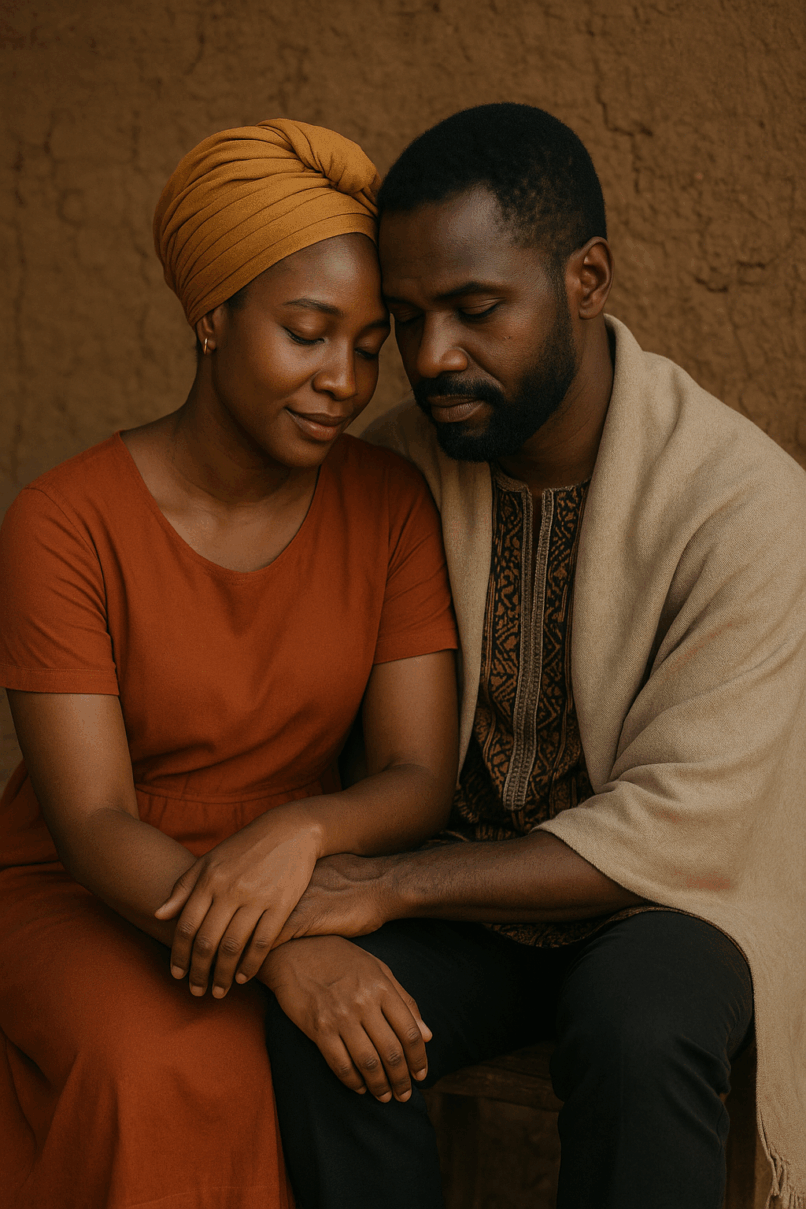
Marriage in Africa has always been more than just the joining of two people — it is the weaving together of families, histories, and destinies. Across the continent’s diverse cultures, from the Maasai of Kenya to the Zulu of South Africa, from the Shona of Zimbabwe to the Yoruba of Nigeria, there exists a shared belief: that a strong marriage rests upon two timeless virtues — patience and loyalty.
These are not merely personal traits; in African marital wisdom, they are communal values, celebrated in proverbs, rituals, and life stories. Patience is seen as the quiet strength that sustains love through seasons of trial. Loyalty is the unshakable bond that keeps hearts aligned even when life pulls in different directions. Together, they form the unseen threads that hold marriages together across decades.
In an era where instant gratification often overshadows long-term commitment, these lessons remain relevant — perhaps even more so than before.
1. The Cultural Roots of Patience in African Marriages
In traditional African society, marriage was rarely a hurried decision. The process often involved lengthy courtship, family negotiations, and the blessings of elders. This in itself was a lesson in patience — teaching couples to value preparation as much as celebration.
The Yoruba proverb, “However long the night, the dawn will break,” speaks to the cultural belief that difficulties are temporary. A couple facing hard times — whether from poor harvests, illness, or misunderstandings — is reminded that brighter days will come if they hold on together.
Among the Baganda of Uganda, patience is considered a sign of emotional maturity. Elders say, “A quick temper burns the hut before the rain comes,” meaning that reacting in anger without patience can destroy what could have been saved with a little time and reflection.
2. Loyalty Beyond Romantic Love
Loyalty in African marital wisdom stretches beyond romantic or physical faithfulness. It means standing by one’s partner through financial struggles, extended family disputes, political unrest, and personal failures.
The Swahili saying, “Mke ni nguo, uvaapo hujua,” (“A wife is like a garment; you only know her value when you wear her”), reflects the belief that loyalty is expressed in how one values and protects the partner chosen.
In the Tswana tradition of Botswana, loyalty also means protecting the dignity of the marriage in public, even when there are disagreements in private. A husband or wife who exposes the weaknesses of their spouse to outsiders is seen as disloyal because they damage the unity of the home.
3. How Patience and Loyalty Work Together
Patience without loyalty can lead to silent suffering — enduring without a sense of mutual commitment. Loyalty without patience can lead to frustration, as love may be quickly abandoned when tested. Together, they balance each other.
Consider rural farming communities: after a poor harvest, a patient spouse avoids resentment, while a loyal spouse takes steps to protect the family’s unity despite economic strain. Together, these virtues help couples endure cyclical challenges without drifting apart.
4. Real-Life African Marital Stories
Story 1: The 10-Year Reunion (Kenya)
In the late 1980s, a young couple from Nyeri County, Kenya, faced a difficult test. The husband, a trained electrician, moved to Nairobi in search of work while his wife stayed behind to care for their two children and manage a small tea farm.
For ten years, they lived apart, meeting only during holidays. Rumors spread in the village — some claimed the man had another family in the city, others whispered that the wife was seeing a local shopkeeper. But neither paid attention.
The wife continued to send food and supplies to her husband in Nairobi, while the husband sent money home every month. In 1999, he returned permanently, having saved enough to start a family business. When asked how they endured so long apart, the wife said:
“We remembered that a marriage is like a tree — you water it even when you don’t see the fruit yet. One day, the fruit will come.”
Story 2: The War Years (Sierra Leone)
During Sierra Leone’s civil war (1991–2002), Mariama and her husband Musa were separated for three years after Musa was forced to flee to Guinea. Mariama, left with four children, faced famine, disease, and insecurity.
Neighbors advised her to remarry for protection, but she refused, saying:
“If I change my heart, my children will learn that love runs away when trouble comes.”
When the war ended, Musa returned with nothing but his clothes. The two rebuilt their home from scratch. Today, they tell young couples that patience is not just waiting — it is “standing in the same place until your partner can find you again.”
Story 3: The Empty Pot (Ghana)
In a fishing village in Ghana, Kojo and Adwoa were known for their unbreakable bond. One year, after several months of bad fishing seasons, Kojo returned home empty-handed. Instead of blaming him, Adwoa prepared the little cassava they had and said,
“The pot may be empty today, but tomorrow the sea will remember us.”
Kojo later said this simple act of loyalty gave him the strength to keep going until they regained their livelihood.
5. Proverbs as Marriage Teachers
African proverbs compress wisdom into short, memorable phrases that guide behavior. Some of the most powerful marital lessons on patience and loyalty include:
- Shona (Zimbabwe): “Kugara hunzwanana.” (“Living together requires understanding.”) — Patience and loyalty grow from daily compromises.
- Igbo (Nigeria): “A bird that flies off the earth and lands on an anthill is still on the ground.” — Big changes in marriage rarely happen overnight; progress takes time.
- Swahili (East Africa): “Haraka haraka haina baraka.” (“Hurry hurry has no blessing.”) — Rushing decisions in marriage often leads to regret; patience brings stability.
- Akan (Ghana): “When the roots are deep, there is no reason to fear the wind.” — Loyalty builds a foundation that withstands storms.
6. The Role of Elders and Mediators
In many African societies, marital disputes are first taken to the family elders before reaching legal or religious authorities. Elders act as custodians of cultural wisdom, reminding couples that marriage is not a temporary arrangement.
They may quote proverbs, share personal experiences, or conduct rituals to restore unity. The belief is that a marriage should not collapse over issues that can be solved through dialogue, patience, and forgiveness.
7. Modern Relevance
Even in cities where dating apps, relocation, and career changes affect relationships, these lessons remain relevant. Patience now might mean enduring a long-distance relationship while a partner studies abroad. Loyalty might mean supporting a spouse’s career change even if it requires short-term sacrifices.
Modern African couples who balance these virtues often find that they build not just a relationship, but a legacy.
8. Practical Ways to Live Out Patience and Loyalty
- Listen before reacting — patience begins with understanding.
- Stand together in public, resolve in private — loyalty means protecting your partner’s dignity.
- Plan together for the long term — patience values the journey over instant rewards.
- Show consistency in small actions — loyalty grows from everyday faithfulness.
African marital wisdom reminds us that patience is the strength to endure and loyalty is the decision to remain steadfast.
These values, rooted in centuries of tradition, are not old-fashioned relics — they are survival tools for love in any era. Whether in a rural village or a modern city, couples who embrace them build relationships that last not because they are without challenges, but because they walk through those challenges together.
SUGGESTED READS
- What African Proverbs Teach Us About Modern Love
- The Role of Oral Tradition in African Relationships and Marriage
- African Proverbs About Love and Relationships: Timeless Wisdom from the Continent
- How to Know If You’re Truly in Love (6 Signs You Can’t Ignore)
- 5 Relationship Quotes That Will Change the Way You Think About Love
- The Most Surprising Relationship Facts You Need to Know in 2025
- I Tried Couples Therapy for a Month — Here’s What Happened

Support Our Website!
We appreciate your visit and hope you find our content valuable. If you’d like to support us further, please consider contributing through the TILL NUMBER: 9549825. Your support helps us keep delivering great content!
If you’d like to support Nabado from outside Kenya, we invite you to send your contributions through trusted third-party services such as Remitly, western union, SendWave, or WorldRemit. These platforms are reliable and convenient for international money transfers.
Please use the following details when sending your support:
Phone Number: +254701838999
Recipient Name: Peterson Getuma Okemwa
We sincerely appreciate your generosity and support. Thank you for being part of this journey!