

simply amazing, always for you.
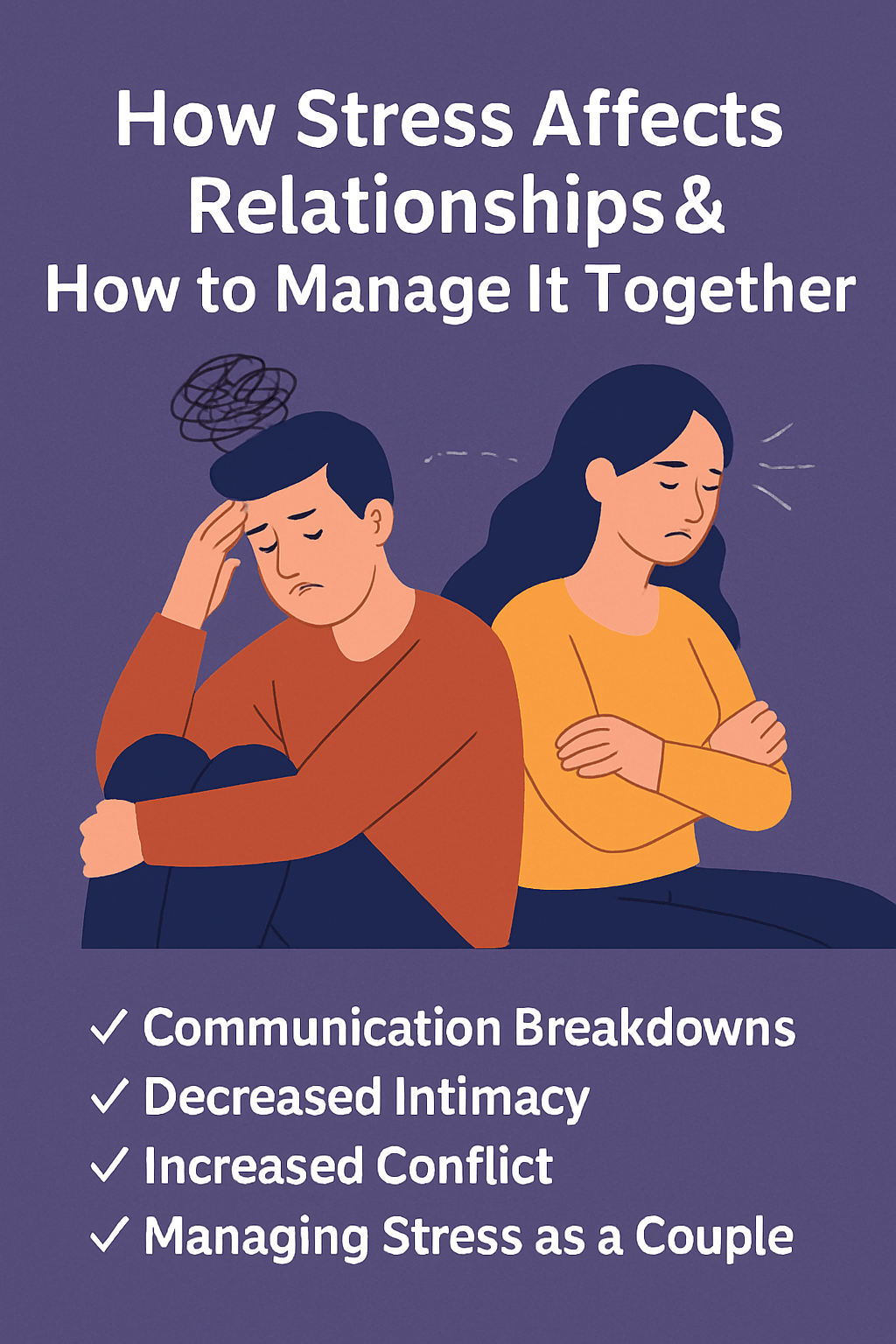
Stress affects every aspect of our lives—but perhaps nowhere is its impact more deeply felt than in our relationships. The daily demands of work, finances, family, and health can place enormous pressure on individuals. When this pressure goes unchecked, it inevitably seeps into romantic partnerships, creating friction, emotional distance, and at times, irreparable damage.
However, when couples understand how stress operates and commit to managing it together, they not only protect their bond—they strengthen it. In this in-depth guide, we’ll explore the profound impact of stress on relationships, the subtle (and not-so-subtle) ways it shows up, and how couples can work hand-in-hand to overcome it. This is your complete roadmap for building a stress-resilient relationship that thrives, no matter what life throws your way.
Understanding Stress in the Context of Relationships
Before diving into solutions, it’s essential to understand what stress really is and why it’s so damaging to romantic connections.
Stress is the body’s natural response to a challenge or demand. When faced with a threat—whether real or perceived—our nervous system releases a flood of hormones, including cortisol and adrenaline. This is the classic “fight or flight” response, designed to help us survive immediate danger.
While this response is helpful in short bursts, chronic stress—stress that lingers for weeks, months, or even years—can wreak havoc on our physical, mental, and emotional well-being. It leads to fatigue, irritability, anxiety, depression, and a diminished ability to cope with everyday situations.
Now, imagine living under that kind of pressure while trying to maintain a healthy, loving relationship. That’s the reality for many couples today.
How Stress Erodes Relationships Over Time
1. Communication Breakdown
Effective communication is the cornerstone of any healthy relationship. Stress, however, is a communication killer. When overwhelmed, individuals may:
- Withdraw emotionally
- Snap or lash out in anger
- Interrupt or tune out during conversations
- Avoid meaningful dialogue altogether
Over time, these habits create a wall between partners. Conversations that once flowed easily become strained, leading to misunderstandings, hurt feelings, and a growing sense of emotional distance.
2. Loss of Emotional Intimacy
Emotional intimacy requires vulnerability, presence, and emotional availability. Stress chips away at all three. A partner preoccupied with job pressures or financial woes may be physically present but emotionally absent.
This disconnection can feel like rejection to the other partner, creating feelings of neglect, loneliness, or resentment. Without emotional intimacy, the relationship begins to feel hollow.
3. Decline in Physical Intimacy
Stress affects libido and disrupts the emotional connection necessary for physical closeness. This isn’t just about sex—it’s about hugs, kisses, cuddles, and other simple acts of affection.
When these moments become rare, partners may begin to question their desirability or importance in the relationship. The lack of touch can deepen emotional distance, creating a feedback loop that’s hard to escape.
4. Increased Conflict and Irritability
Under stress, our tolerance for frustration drops dramatically. Little things—a forgotten errand, a messy kitchen, a sarcastic comment—can feel like major offenses. Couples may find themselves fighting more often and over increasingly trivial issues.
Worse still, partners may start to associate each other with the stress itself, viewing one another as adversaries rather than allies.
5. Misplaced Anger and Blame
When life feels overwhelming, it’s easy to direct frustration toward the person closest to you. This results in misplaced blame—accusing your partner of being “the problem” when they’re simply nearby.
This projection can cause deep wounds in the relationship, especially when one partner is constantly on the receiving end of anger or criticism.
6. Emotional Withdrawal and Isolation
Stress can cause individuals to shut down emotionally, leading them to retreat inward rather than seek comfort from their partner. This creates a dynamic where both partners feel alone—even while living under the same roof.
Left unchecked, this emotional withdrawal can become permanent, leading to a quiet erosion of the relationship.
Common Sources of Relationship Stress
Stress in relationships can stem from external pressures, internal dynamics, or a combination of both. Identifying the root causes of your stress is the first step toward solving it.
Here are some of the most common sources of stress that affect couples:
1. Financial Pressure
- Debt
- Budgeting disagreements
- Job loss or job instability
- Differences in spending habits
2. Work-Related Stress
- Long hours
- Burnout
- Toxic workplaces
- Career transitions or unemployment
3. Parenting Stress
- Sleep deprivation
- Behavioral challenges with children
- Disagreements on parenting styles
4. Health Issues
- Chronic illness
- Mental health disorders
- Caregiver stress
5. Family Conflicts
- In-law interference
- Family expectations
- Blended family tensions
6. Major Life Transitions
- Moving
- Getting married
- Having a child
- Retirement
7. Infertility and Pregnancy Loss
- Struggles with conception
- Miscarriage or stillbirth
- Emotional and physical toll of fertility treatments
8. Disconnection and Lack of Time
- Busy schedules
- No time for quality connection
- Relationship deprioritized in favor of other commitments
Stress is often cumulative. Even small, everyday stressors—like traffic jams, missed calls, or an overloaded schedule—can add up and weigh heavily on a relationship.
Signs That Stress Is Damaging Your Relationship
Sometimes, the impact of stress isn’t immediately obvious. You may feel “off” without knowing why. Look out for these signs that stress may be interfering with your relationship:
- You argue frequently over minor issues
- One or both partners feel emotionally neglected
- Physical intimacy has declined or stopped altogether
- You feel more like roommates than romantic partners
- Conversations often turn into arguments
- There is a lack of laughter or playfulness
- One partner feels burdened with all the emotional or physical labor
- You feel more relief being away from your partner than being close
Recognizing the symptoms early is crucial. The longer stress is allowed to poison the relationship, the harder it becomes to undo the damage.
How to Manage Stress as a Team
The good news? Couples can fight stress together. Doing so doesn’t just restore harmony—it creates a deeper bond rooted in teamwork, compassion, and resilience.
Here’s how to begin.
1. Create a Safe Space for Honest Communication
Talk about your stress openly and without judgment. Set aside regular time—perhaps weekly—to check in with each other emotionally. Use non-blaming language and focus on sharing your feelings.
Instead of saying:
“You never listen to me!”
Try:
“I’ve been feeling really overwhelmed lately and I could use someone to talk to.”
Honest communication builds trust and invites your partner to share, too.
2. Practice Empathy and Active Listening
It’s not always about offering solutions. Sometimes your partner just needs to feel seen and heard. When they’re sharing stress with you:
- Maintain eye contact
- Nod or give verbal affirmations
- Reflect their feelings: “It sounds like you had a really tough day.”
Empathy is about standing in your partner’s shoes—even when you don’t fully understand their experience.
3. Stop Blaming Each Other
Stress can turn minor issues into full-blown conflicts. Resist the urge to point fingers. Instead, name the stressor and tackle it together.
Say:
“It seems like we’re both under a lot of pressure from work. How can we support each other through this?”
When you identify stress as the shared enemy, it unites rather than divides you.
4. Rebuild Your “Us vs. the Problem” Mentality
Strong couples adopt an “us vs. the problem” mindset. Instead of seeing each other as adversaries, they become co-strategists against whatever challenge they face.
Create shared goals and responsibilities. If one partner is overwhelmed, the other can help rebalance duties, even temporarily.
5. Maintain Touch and Affection
Small acts of physical affection—holding hands, a quick back rub, a kiss on the forehead—go a long way in easing tension. These actions remind your nervous system that you’re safe, loved, and connected.
Don’t wait for “the mood to be right.” Create rituals of touch that are consistent, even during stressful periods.
6. Make Time for Quality Connection
This doesn’t require elaborate date nights. It’s about protecting time for the two of you—even 20 minutes a day can make a difference.
Try:
- A daily evening walk
- Cooking a meal together
- Watching a show you both love
- Reading side-by-side
- Doing something silly just to laugh
Stress fades when joy is prioritized.
7. Prioritize Healthy Coping Strategies
Support each other in developing healthier responses to stress:
- Regular exercise
- Meditation or mindfulness
- Talking to a friend or therapist
- Engaging in hobbies
- Journaling
- Getting adequate sleep
Avoid maladaptive coping like drinking, emotional withdrawal, overspending, or rage. Be honest when you need help—and encourage your partner to do the same.
8. Reassess and Rebalance Responsibilities
When life gets hectic, one partner may carry more of the emotional or physical labor. Rebalance as needed. For example, if one person is navigating work burnout, the other might take on more home duties temporarily.
Check in regularly:
“Do you feel like we’re both carrying the load fairly right now?”
This keeps resentment from building up and encourages mutual support.
9. Don’t Be Afraid to Seek Professional Help
Therapists are trained to help couples navigate stress, improve communication, and rebuild emotional intimacy. Seeking therapy doesn’t mean your relationship is broken—it means you care enough to strengthen it.
Even a few sessions can offer valuable insight and tools that you can use long-term.
Reframing Stress as an Opportunity for Growth
While stress can be destructive, it can also be transformative—if approached the right way.
Facing stress together forces couples to:
- Communicate more openly
- Set boundaries
- Clarify values and priorities
- Strengthen emotional resilience
- Learn to forgive and be patient
Many couples emerge from stressful seasons stronger and more in sync than ever before. Why? Because they faced hardship, adapted together, and refused to let stress break their bond.
Your Relationship Deserves Peace, Not Pressure
Stress is a part of life—but it doesn’t have to destroy love. When couples are intentional, empathetic, and committed to managing stress as a team, they create a relationship that can weather any storm.
Your relationship should be a place of rest—not just another source of tension. You and your partner can be each other’s safe harbor. But it requires awareness, effort, and the willingness to grow—especially when things get hard.
The next time stress knocks on your door, ask yourself: will you let it push you apart, or pull you closer together?
What’s one small thing you and your partner can do this week to start managing stress more intentionally—together?

Support Our Website!
We appreciate your visit and hope you find our content valuable. If you’d like to support us further, please consider contributing through the TILL NUMBER: 9549825. Your support helps us keep delivering great content!
If you’d like to support Nabado from outside Kenya, we invite you to send your contributions through trusted third-party services such as Remitly, SendWave, or WorldRemit. These platforms are reliable and convenient for international money transfers.
Please use the following details when sending your support:
Phone Number: +254701838999
Recipient Name: Peterson Getuma Okemwa
We sincerely appreciate your generosity and support. Thank you for being part of this journey!