

We Ain’t Done Yet… Expect Another One.
Ebola Outbreaks That Left Entire Villages Silent
The first signs were often subtle.
Someone in a remote village developed a high fever. Within days, another family member became ill. Soon, neighbors started showing the same symptoms. Before long, whispers of a mysterious disease spread through the community faster than any official warning ever could.
Then came the fear.
Doors that had always been open were suddenly shut. Markets emptied. Children stopped playing outside. Families who had spent generations living side by side began avoiding one another, unsure who might unknowingly be carrying a deadly virus.
For many communities across Central and West Africa, Ebola was more than a disease. It became a terrifying force that reshaped daily life, fractured traditions, and left villages eerily quiet.
When Entire Communities Were Cut Off
As health officials confirmed new Ebola cases, authorities often had little choice but to impose strict quarantine measures.
Roads leading into affected villages were blocked by checkpoints. Residents were instructed not to leave, while outsiders were barred from entering. The restrictions were intended to stop the virus from spreading, but they also isolated communities from essential supplies and services.
In villages where farming and local trade were the backbone of survival, the impact was immediate. Crops went unharvested, businesses closed, and food shortages became a growing concern. Schools suspended classes, churches and mosques canceled gatherings, and once-busy marketplaces fell silent.
For weeks—and in some cases months—many communities found themselves living in isolation, waiting and hoping the outbreak would finally end.
Fear Changed Family Relationships
One of Ebola’s most devastating effects was the fear it created inside homes.
The virus spreads through direct contact with the bodily fluids of an infected person, making everyday acts of care incredibly dangerous. Relatives who would normally comfort sick loved ones suddenly faced an impossible decision: provide care and risk infection, or stay away in the hope of protecting the rest of the family.
Many survivors later recalled the emotional pain of watching loved ones taken to treatment centers without knowing if they would ever see them again.
Others described the heartbreaking reality of being unable to hug, comfort, or even properly say goodbye to family members during their final moments.
The emotional scars often lasted long after the outbreaks had been brought under control.
Burial Traditions Faced an Unprecedented Challenge
Across many African communities, funerals are deeply rooted cultural and religious ceremonies that bring families together to honor those who have died.
Ebola changed that overnight.
Because the virus can remain infectious after death, traditional practices involving washing or touching the body became major sources of transmission.
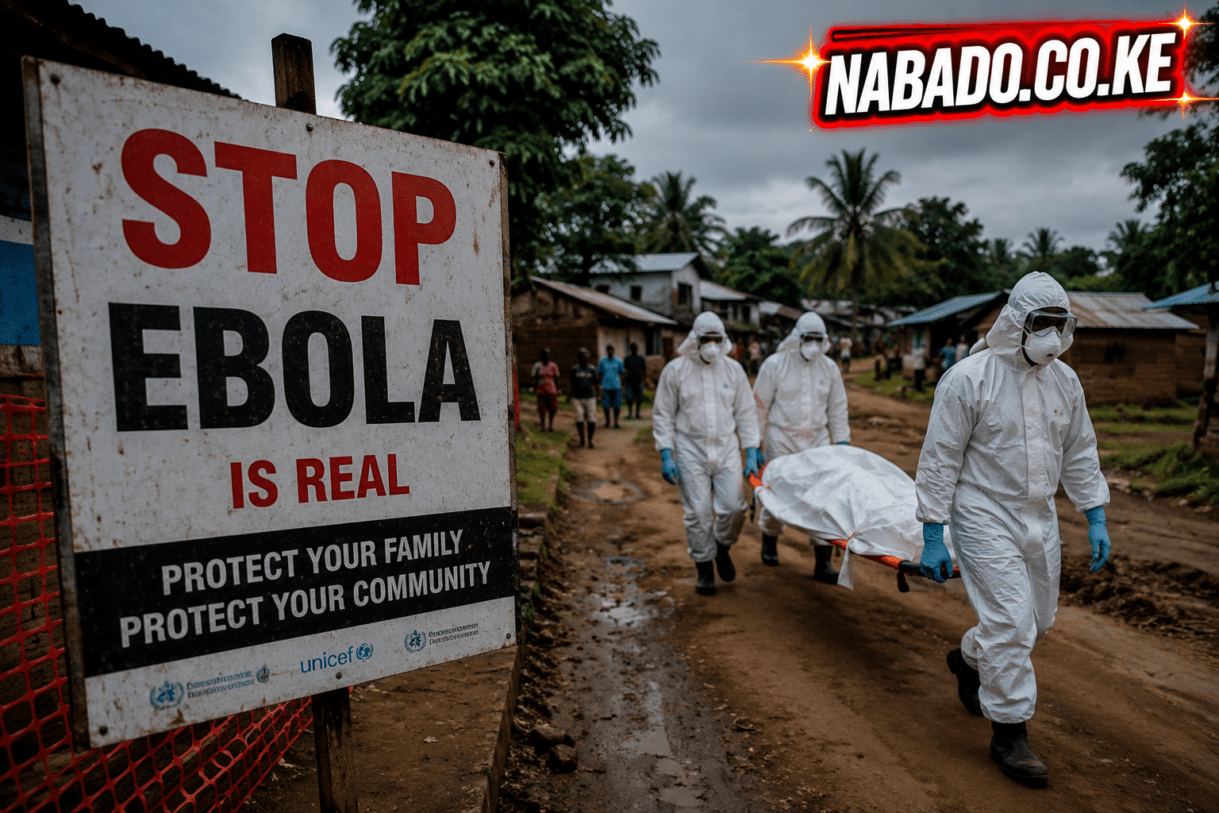
To reduce the risk, specially trained burial teams wearing full protective suits took over the responsibility of handling victims’ remains.
The sight of workers dressed from head to toe in protective clothing became one of the defining images of the Ebola crisis.
Although these safety measures saved lives, they also caused immense emotional distress. Families often had to grieve from a distance, unable to perform cherished customs that had been passed down through generations.
Rumors Spread Almost as Fast as the Virus
As the disease spread, so did misinformation.
In several affected regions, rumors circulated that Ebola was a government invention, a foreign conspiracy, or a disease intentionally brought by aid workers.
These false claims fueled distrust and panic.
Some healthcare teams were met with hostility instead of gratitude. Treatment centers were attacked, medical vehicles were damaged, and emergency workers sometimes had to suspend operations because of security threats.
Public health experts later concluded that misinformation became one of the greatest obstacles to controlling the outbreak. Every rumor delayed treatment, discouraged people from reporting symptoms, and allowed the virus more opportunities to spread.
The West Africa Epidemic Changed History
The largest Ebola outbreak ever recorded began in Guinea in late 2013 before spreading into Liberia and Sierra Leone.
What initially appeared to be a localized health emergency soon developed into an international crisis.
Hospitals became overwhelmed as patient numbers surged. Healthcare workers worked around the clock despite shortages of protective equipment and medical supplies. Many doctors and nurses became infected while caring for others, paying the ultimate price for their dedication.
By the time the epidemic was declared over in 2016, more than 28,000 people had been infected and over 11,000 had died, making it the deadliest Ebola outbreak in recorded history.
Beyond the staggering loss of life, the epidemic disrupted education, damaged local economies, and left thousands of children orphaned.
Courage in the Middle of Crisis
Despite the overwhelming fear, stories of extraordinary courage emerged across the affected countries.
Doctors, nurses, laboratory technicians, ambulance crews, community volunteers, and local leaders risked their own safety to help stop the spread of the virus.
Many survivors also became important voices in educating communities, encouraging people to seek treatment early and helping dispel dangerous myths.
International organizations worked alongside local governments to strengthen surveillance, improve laboratory testing, and establish treatment centers capable of caring for infected patients safely.
These combined efforts eventually slowed transmission and brought the outbreak under control.
Lessons That Continue to Save Lives
The devastating Ebola outbreaks transformed how the global health community prepares for infectious disease emergencies.
Today, rapid diagnostic testing, contact tracing, community education, and stronger infection-control measures are standard parts of outbreak response. Researchers have also developed effective vaccines and treatments that have significantly improved survival rates during more recent Ebola outbreaks.
Perhaps the greatest lesson was that trust matters as much as medicine.
Communities are far more likely to cooperate with health officials when they receive clear, honest information and when local leaders are involved in response efforts.
A Reminder the World Should Never Forget
The villages that once fell silent during Ebola outbreaks remain powerful reminders of how quickly an infectious disease can transform everyday life.
Empty streets, abandoned homes, overwhelmed hospitals, and families separated by fear became unforgettable symbols of one of Africa’s most devastating public health crises.
Yet those same communities also demonstrated remarkable resilience. Survivors rebuilt their lives, healthcare workers continued serving despite enormous risks, and scientists used the lessons learned to improve future responses.
Although Ebola remains a serious public health threat in parts of Africa, advances in medicine, stronger surveillance systems, and better community engagement mean the world is better prepared than ever before.
The memory of those emptied villages serves as both a warning and a testament to the strength of communities that endured one of the deadliest epidemics in modern history.
SUGGESTED READS
- They Killed Their Neighbors in Just 100 Days: The Terrifying True Story of Rwanda’s Genocide
- The Child Witch Hunts: Africa’s Dark Secret That Stole Thousands of Childhoods
- The Basement of Fear: Inside the Dark Story of Kenya’s Nyayo House Torture Chambers
- The Corpse That Wouldn’t Decompose: The Haunting Mystery of Rosalia Lombardo
- The Russian Sleep Experiment Was Fake—But the Real Experiments Were Far More Terrifying
- The Ghost That Helped Solve a Murder: The Chilling Story of the Greenbrier Ghost
- The Russian Sleep Experiment Was Fake—But the Real Experiments Were Far More Terrifying

Support Our Website!
We appreciate your visit and hope you find our content valuable. If you’d like to support us further, please consider contributing through the TILL NUMBER: 9549825. Your support helps us keep delivering great content!
If you’d like to support Nabado from outside Kenya, we invite you to send your contributions through trusted third-party services such as Remitly, western union, SendWave, or WorldRemit. These platforms are reliable and convenient for international money transfers.
Please use the following details when sending your support:
Phone Number: +254701838999
Recipient Name: Peterson Getuma Okemwa
We sincerely appreciate your generosity and support. Thank you for being part of this journey!